


Read time: 5 minutes
Hi, I’m Javi Gascón.
This is Climate Tech Distillery, a newsletter where I talk about one specific climate tech company every week.
Today we'll distill a company whose robots mine the deep sea while skipping anything alive: Impossible Metals 🇺🇸

Want to sponsor Climate Tech Distillery? Here’s all the info.
What Problem Does Impossible Metals Tackle❓
They tackle the uncomfortable math of the energy transition: to stop burning fossil fuels, we need to dig up a lot more metal.
1. Metal hunger: Every EV battery, wind turbine and grid cable needs nickel, cobalt, copper or manganese. The IEA expects demand for these critical minerals to multiply several times by 2040.
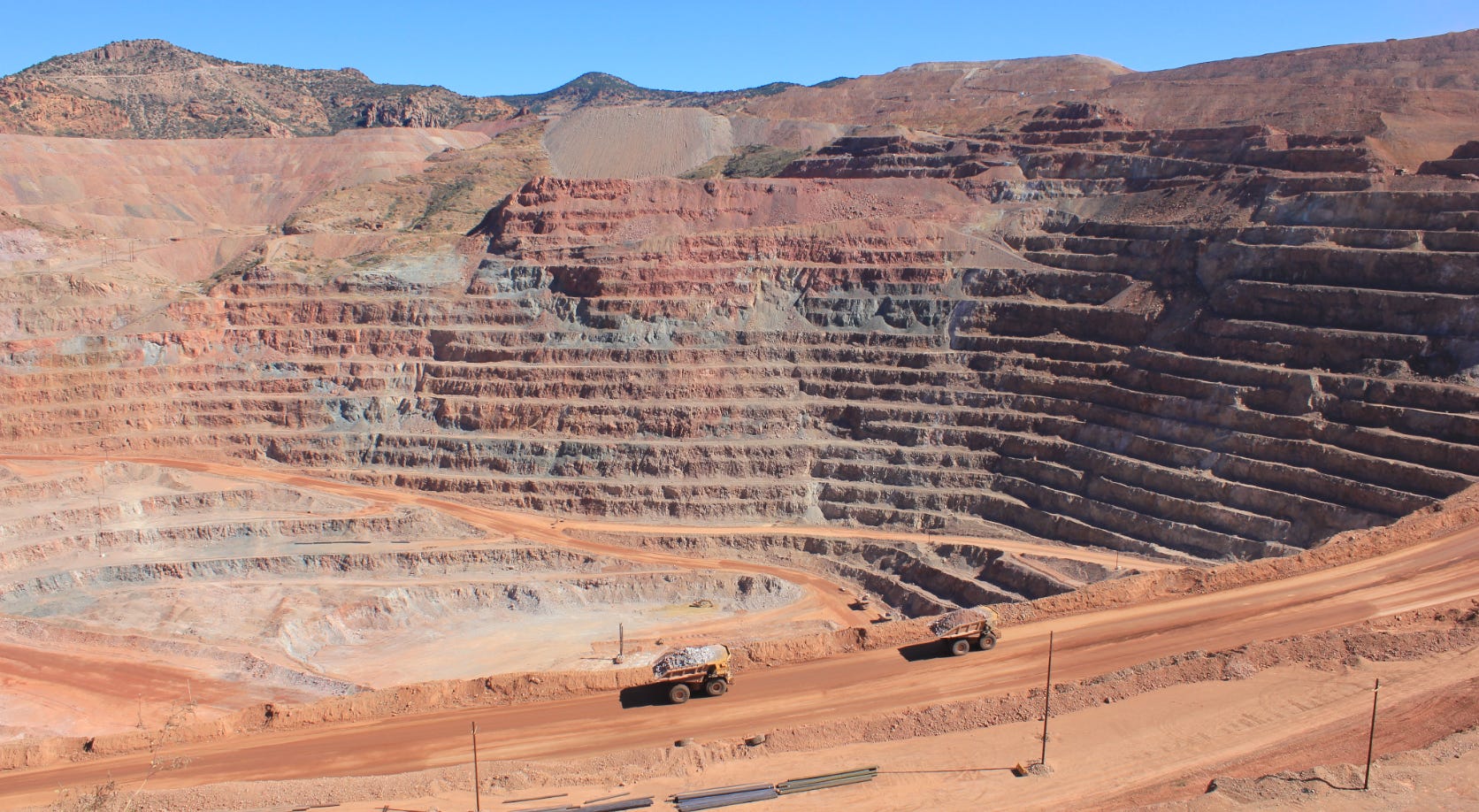
2. Land mines are getting worse: The best deposits are gone. Some copper mines now process ore with grades as low as 0.2%, moving a ton of rock for every two kilos of metal.
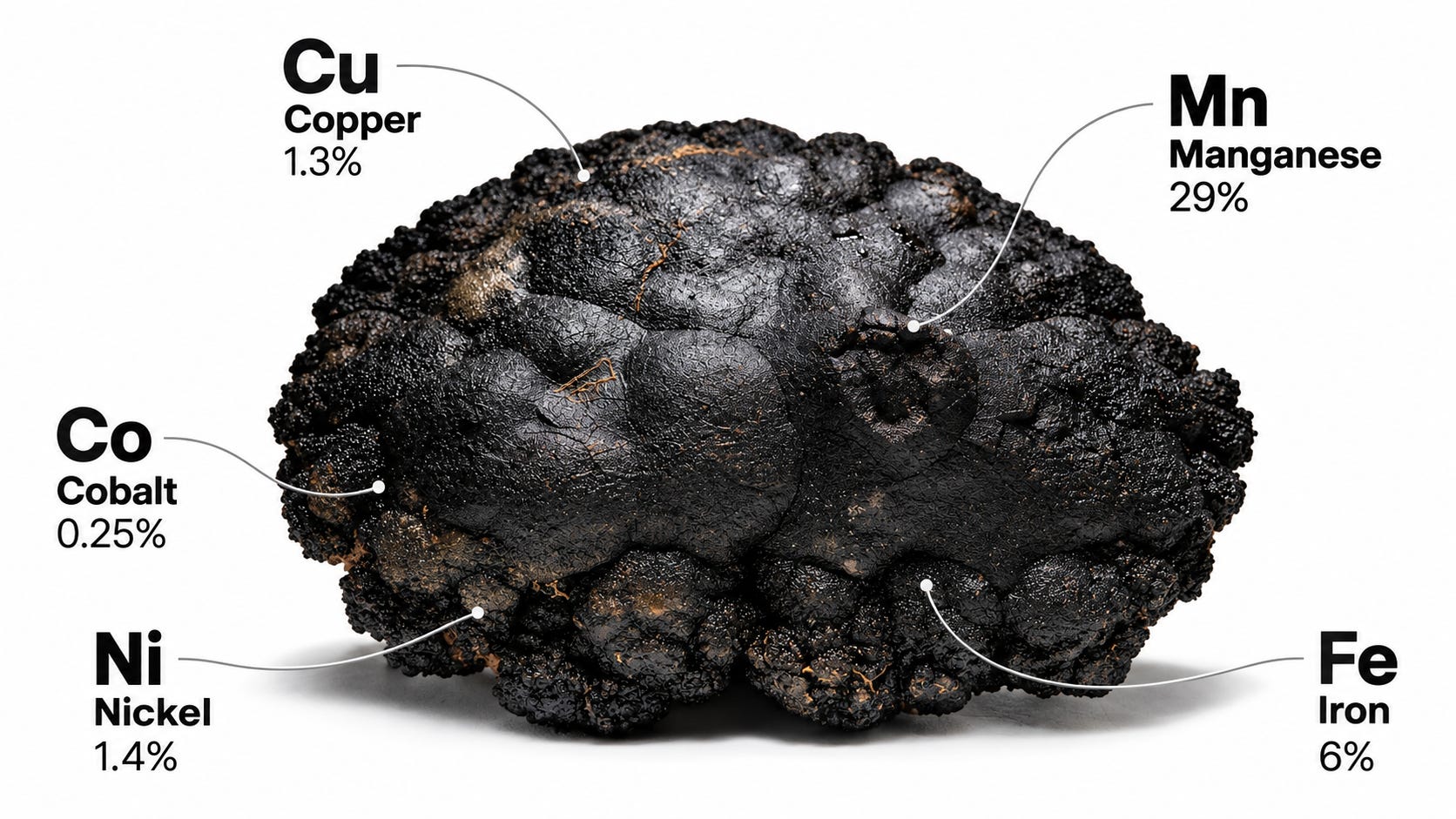
3. The treasure on the seafloor: Four to five kilometers down in the Pacific, the seabed is covered in potato-sized rocks called polymetallic nodules. Each one holds all four metals in a single stone, and they grow just 1 to 10 mm per million years.
4. The vacuum problem: Most deep-sea mining plans use giant tracked machines that hoover up the top layer of seabed and pump it all to a ship. That stirs up sediment clouds and wipes out habitats, which is why many scientists, governments and big brands want a pause.
Product / Service 📦
Impossible Metals builds autonomous underwater robots that collect these nodules from the deep seabed for battery and defense supply chains.
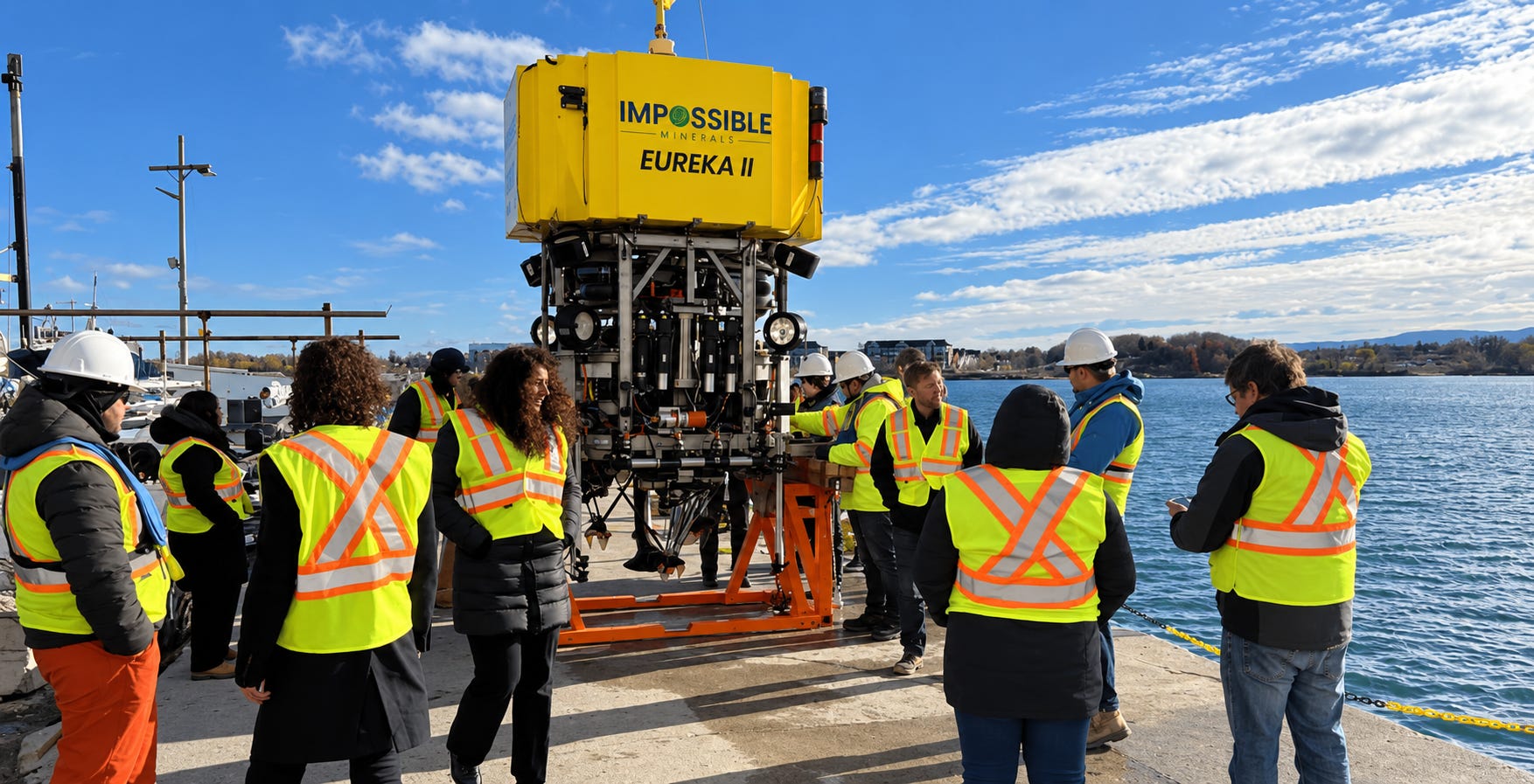
How it works: Picture an arcade claw machine that floats. Eureka III, about the size of a shipping container, hovers just above the seafloor using titanium spheres that pump seawater in and out. Stereo cameras and AI spot each nodule, and 16 robotic arms pick them up one by one.
Leave the living ones: The AI checks every nodule for visible life like sponges, corals or octopus. Anything with a passenger stays put, and the robot leaves patches of untouched seabed behind on purpose.
Minimal plume: No tracks, no vacuum, no pipe to the surface. An independent model by DHI predicts the disturbed sediment stays within 5 meters of the seafloor, with over 93% settling back inside the collection area.
A fleet, not a monster: Instead of one huge machine tied to a ship, it's a fleet of untethered robots. If one fails, the rest keep working. In August 2026, Eureka II found its mothership and hauled itself back on deck with no human at the controls.
The output: According to the company, each Eureka III collects around 4 tonnes of nodules per four-hour mission.
Market 🌐
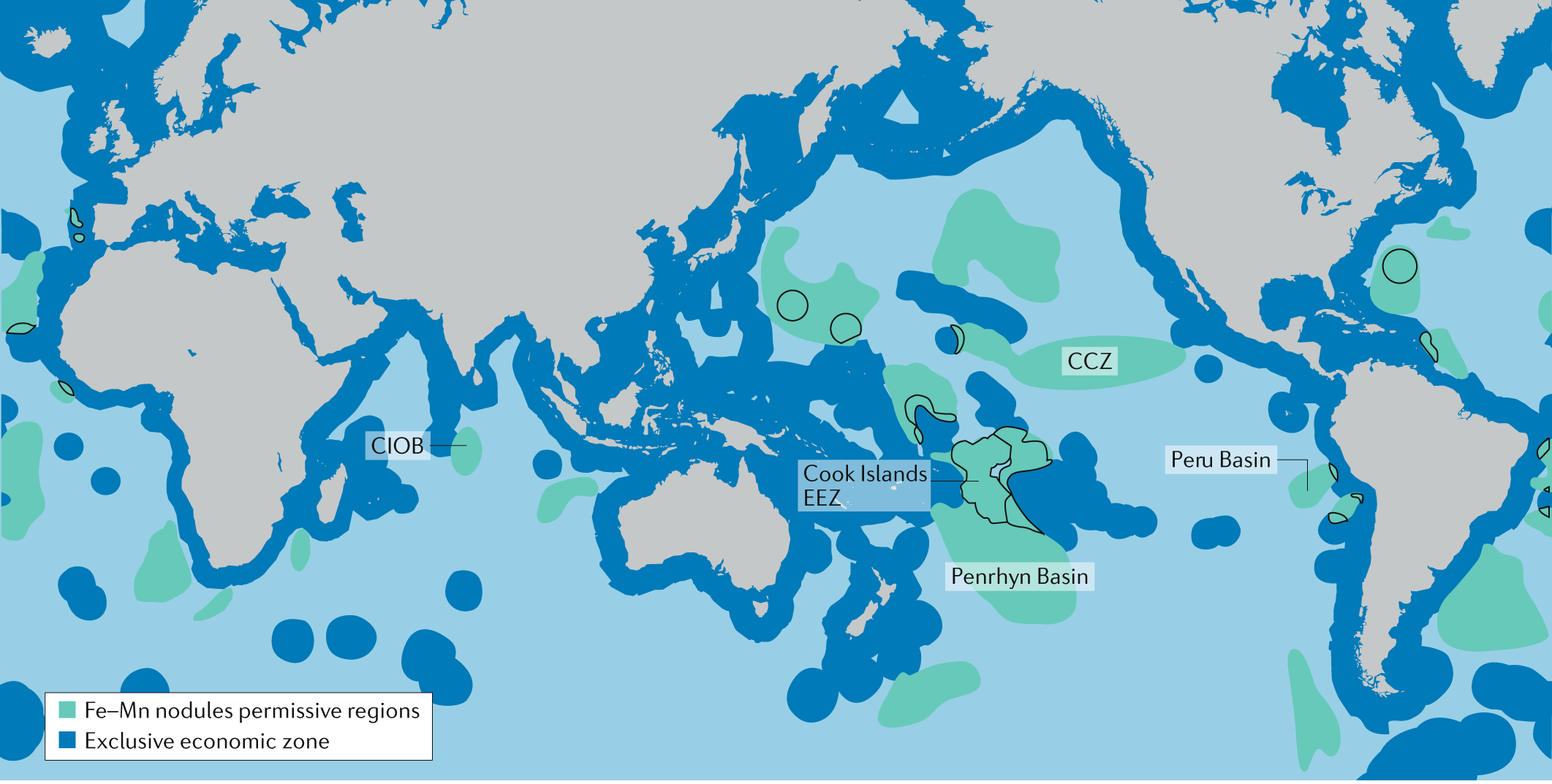
The Clarion-Clipperton Zone, a stretch of the Pacific between Hawaii and Mexico, holds an estimated 20+ billion tonnes of nodules, with more nickel and cobalt than all known land reserves. After years stuck waiting for international rules, the US has opened its own permitting path, and the first commercial permits could arrive in 2027.
Demand is driven by EVs and grid batteries, defense supply chains, and Western countries desperate to depend less on China, which refines most of the world's cobalt.
Other Key Players
The Metals Company 🇨🇦: The industry’s loudest name, using a tracked collector that scoops up the top layer of seabed along with the nodules. It targets production in late 2027.
Lithosquare 🇫🇷: Not a seabed miner, but another route to the same metals: it uses AI to find new critical mineral deposits on land.
Redwood Materials 🇺🇸: Not a miner either: it recovers battery metals from old batteries.
Impossible Metals is the only one betting on hovering, selective collection, trading raw tonnage for a much smaller footprint.
Founding Story 🦄
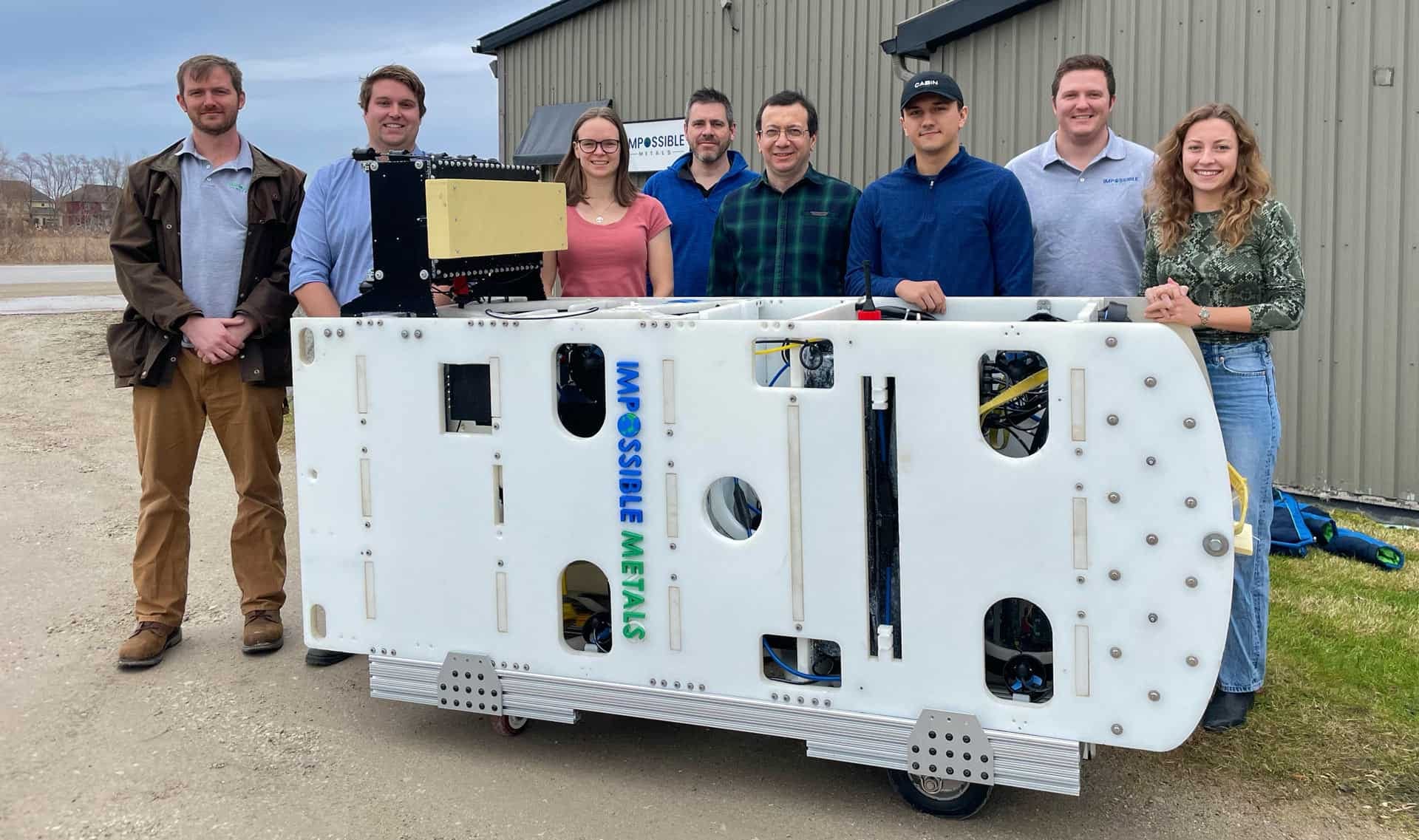
Impossible Metals was founded in 2020 in California by Oliver Gunasekara, an early ARM employee who helped take its mobile chip market share from 0% to 95%.
After selling his video startup NGCodec in 2019, he went after a harder problem: where the metals for the energy transition will come from. He recruited three co-founders covering engineering, mining sustainability and microbiology.
They went through Y Combinator in 2022 and raised over $12M in seed funding. Eureka I picked its first rocks that year, and Eureka II dove a mile deep off Florida in 2024. It’s a Public Benefit Corporation and a certified B Corp.
Their 2025 request triggered the first deep-sea mining lease sale in US history, off American Samoa. Not everyone is cheering: local environmental groups have sued to stop it. Next up: Eureka III’s first test at 4,200 meters in the Pacific.
Top Impact Stats 📈
1. 16 robotic arms picking nodules one by one, skipping any with visible life.
2. Over 93% of disturbed sediment predicted to settle back inside the collection area.
3. Around 4 tonnes of nodules per robot per four-hour mission, with no riser pipe and no mid-water plume.
Whenever you’re ready, there are 2 ways I can help you:
Scale and optimize your business: Automation and AI implementation (Claude expertise) for companies so they can free up time to scale their revenues.
Give visibility to your climate company: Get your company in front of an audience of thousands of climate players and enthusiasts by sponsoring newsletter issues and LinkedIn posts.
Thanks for reading today’s issue! If you liked it feel free to hit the ❤️ button and share it with someone who might like it too. See you next Saturday:)