


Read time: 5 minutes
Hi, I’m Javi Gascón.
This is Climate Tech Distillery, a newsletter where I talk about one specific climate tech company every week.
Today we’ll distill a company turning ocean waves into clean energy — and using it to power AI computing at sea: Panthalassa 🇺🇸
If you’re working in or interested in climate tech, check out Climate Coffee ☕️.
Free monthly in-person events in 35+ cities worldwide, with a community of 6,000+ people already showing up. Find your city and join for free.
Want to sponsor Climate Tech Distillery? Here’s all the info.
What Problem Does Panthalassa Tackle❓
AI is eating the world’s energy supply. And the grid can’t keep up.
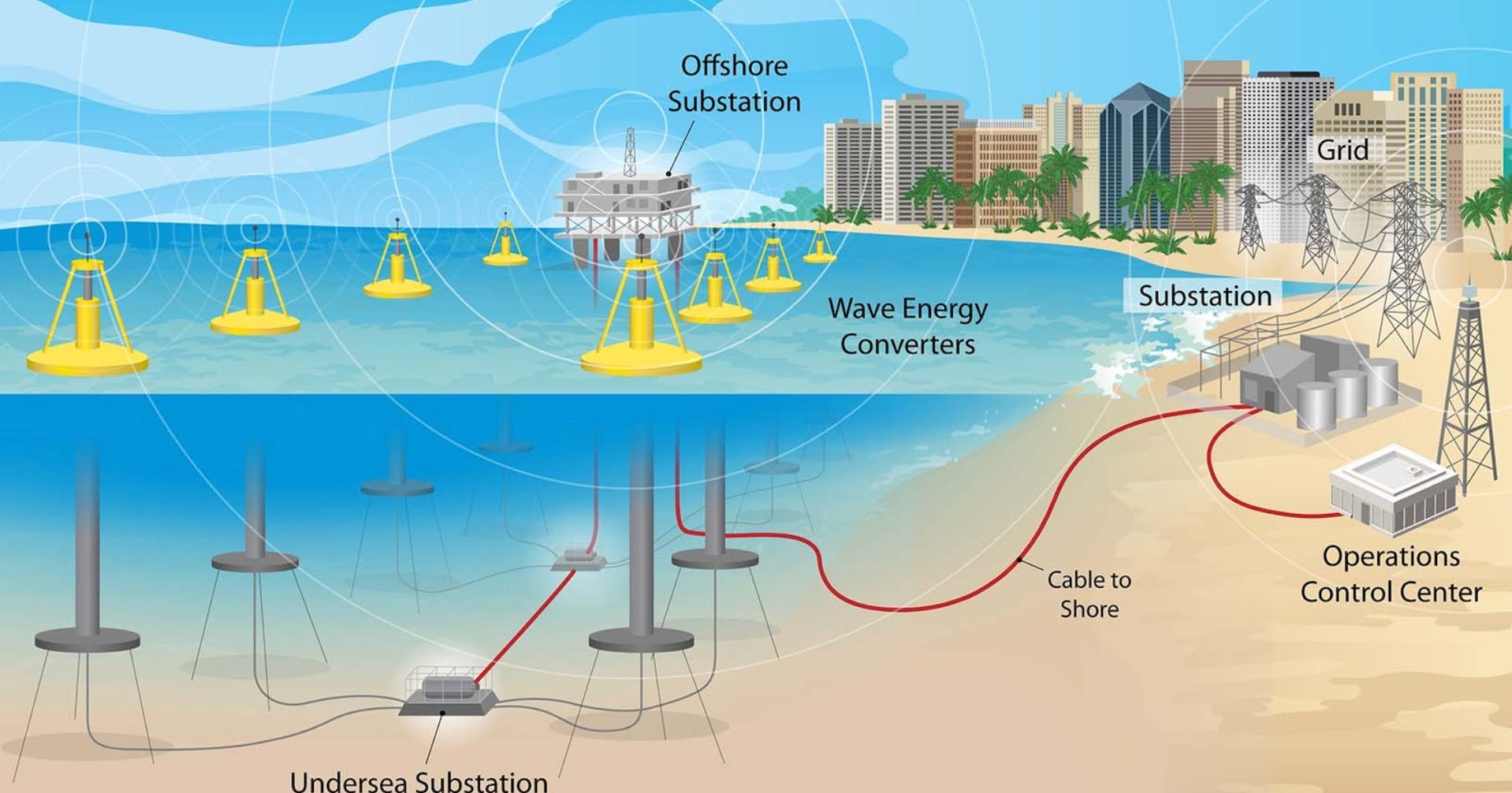
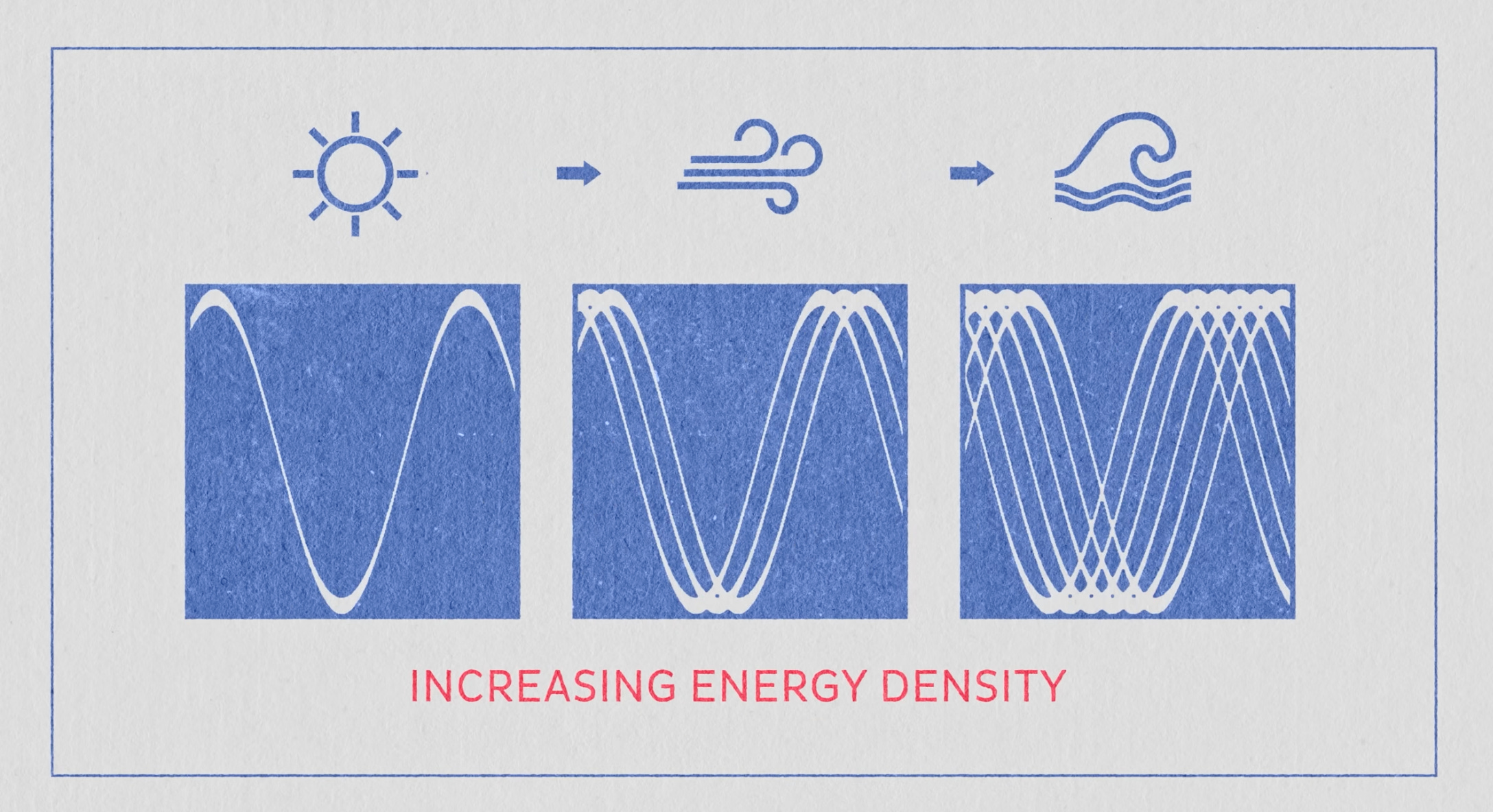
1. Untapped Wave Energy: The open ocean holds tens of terawatts of energy in the form of waves, comparable in scale to solar and nuclear. It could power entire industries: synthetic fuels, desalination, offshore heavy industry, and more. But no previous project has cracked the economics: transmitting power to shore via undersea cables wipes out the margins.
2. Exploding Electricity Demand: Data centers already consume 1–2% of global electricity. AI inference is causing demand to spike faster than utilities can build new capacity. In the US alone, grid operators are warning of shortfalls within years.
3. Land-Based Data Centers Issues: New data centers face many constraints: grid interconnection queues that stretch years, cooling water shortages, permitting battles, and community opposition. The bottleneck isn’t just power, it’s getting power to the right place fast enough.
4. The Cooling Problem: Cooling accounts for a significant chunk of data center operating costs. AI chips run hot. Land-based cooling systems are expensive, water-intensive, and increasingly constrained by local regulations.
Product / Service 📦
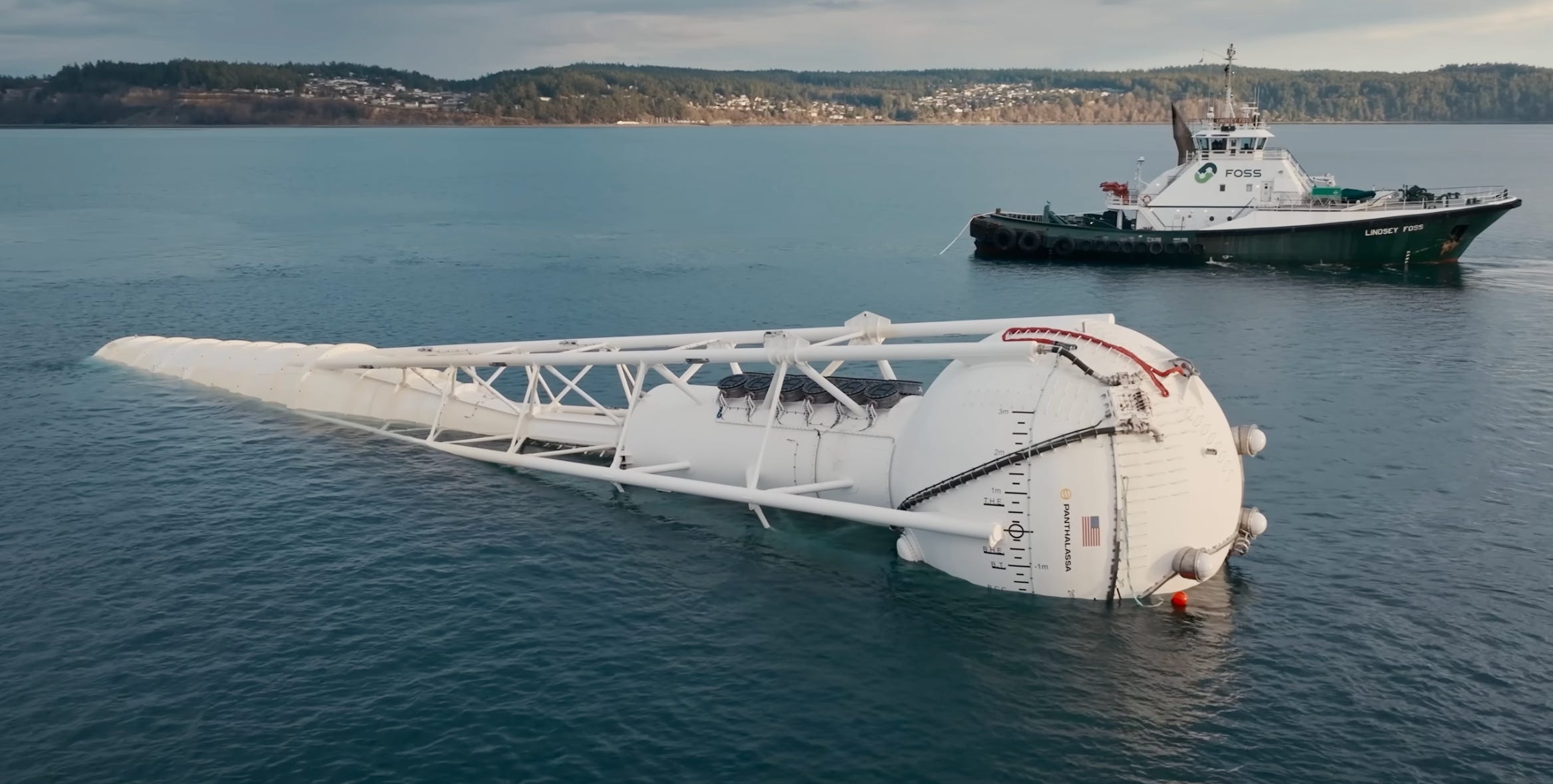
Panthalassa’s nodes are autonomous, floating power plants that generate clean electricity from ocean waves and run AI computing right there onboard.
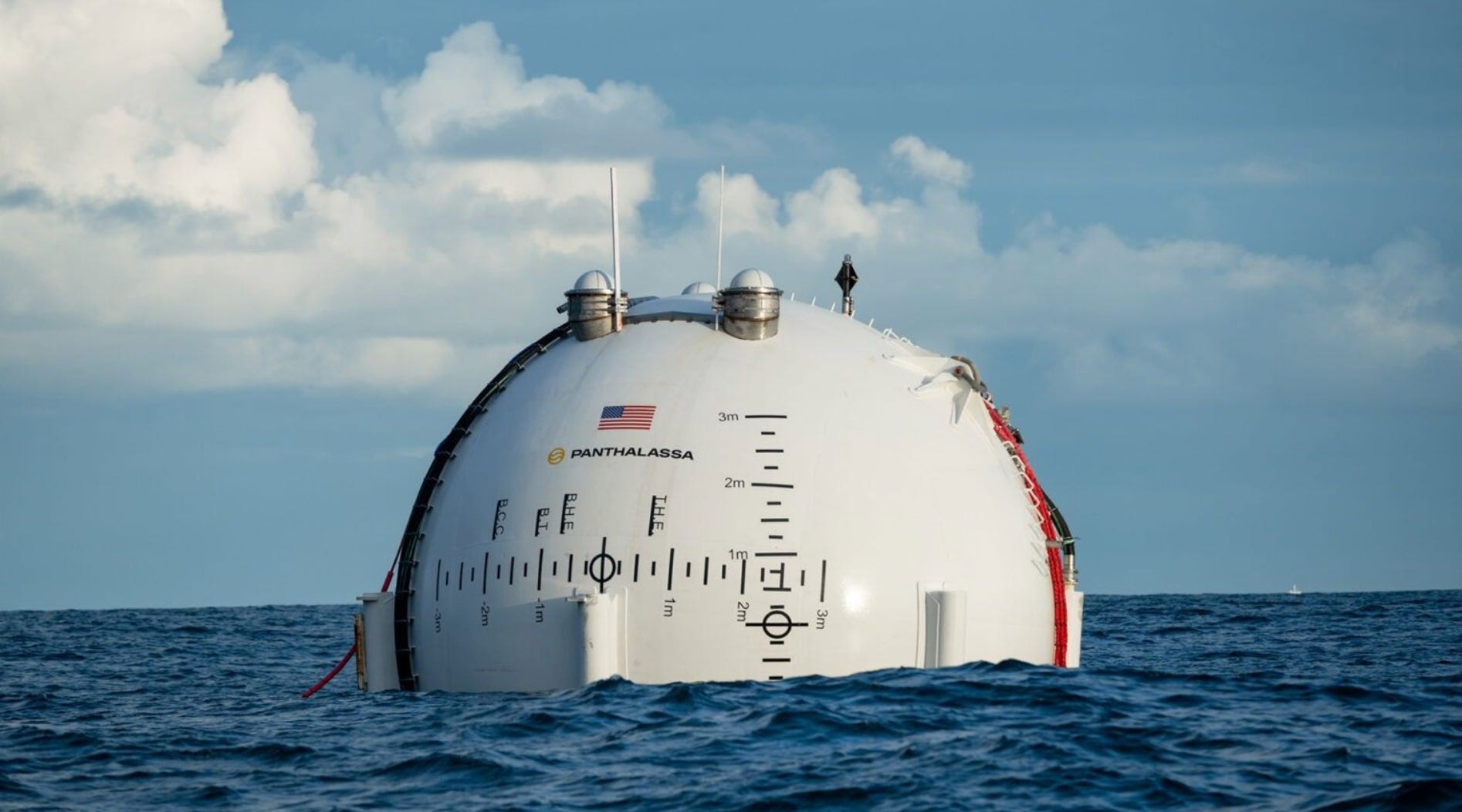
Mass-Producible: Made from plate steel in coastal factories, the same industrial logic as shipbuilding. No exotic materials, no bespoke supply chains.
The Node: Each unit is an 85-meter-long solid steel structure, shaped like a lollipop, that sits mostly below the surface. As waves move it up and down, water is forced through internal channels and a turbine, generating electricity continuously. One moving part. No undersea cables.
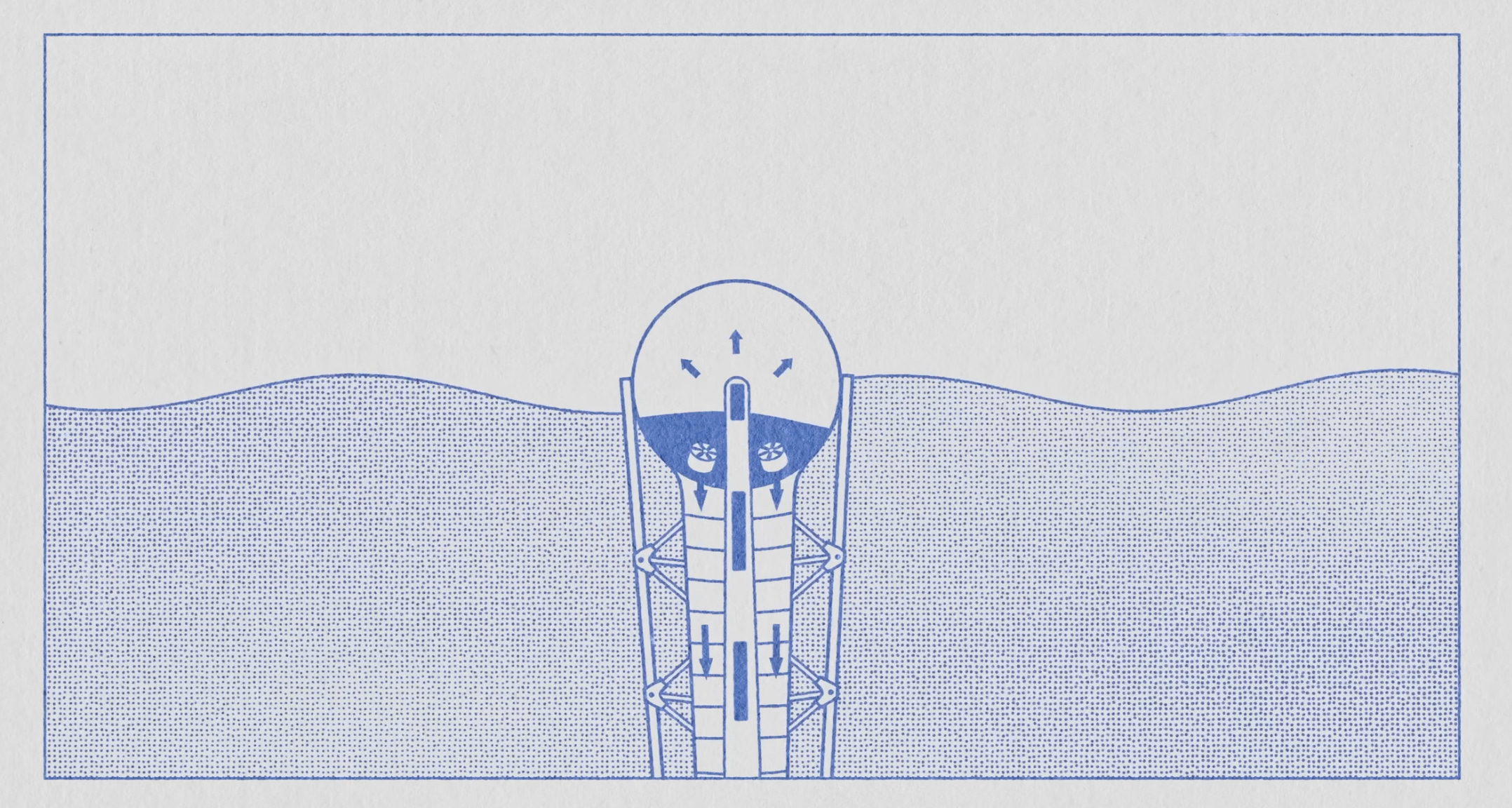
Capacity Factor: Up to 90%, versus 30–40% for offshore wind and ~25% for solar. The open ocean moves 24/7 and the system is designed to cost around $1,500/kW, roughly equivalent to a natural gas plant, minus the fuel.
AI Compute at Sea: Instead of transmitting power back to shore, Panthalassa can run AI inference chips directly onboard. Results are sent back to land via low-Earth-orbit satellites. The surrounding ocean provides free supercooling.
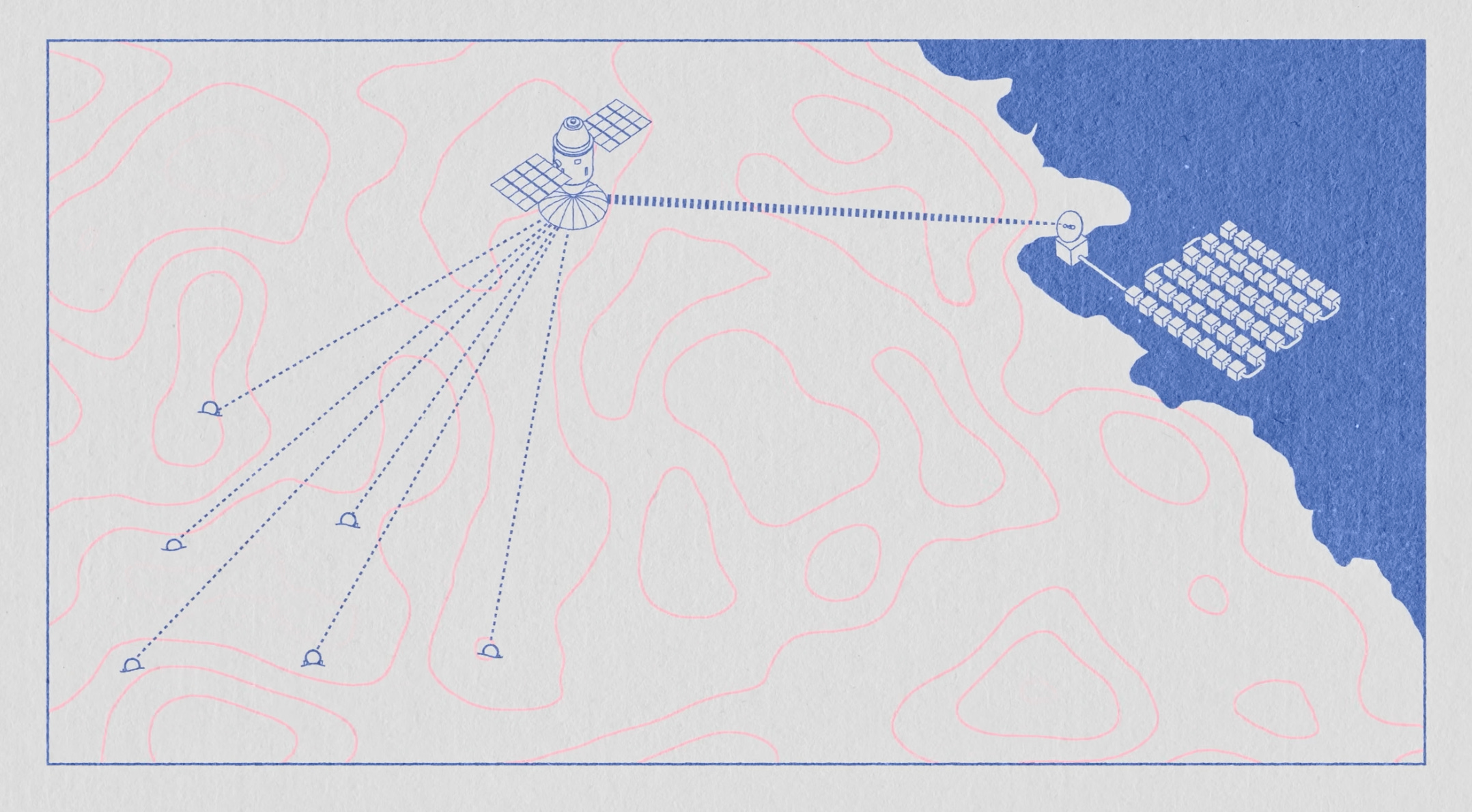
Fully Autonomous: Nodes self-propel to the best wave regions in the northern Pacific, far from shore and far from community opposition. A fleet of them functions together as a distributed offshore data center.
Versatility: AI compute is the biggest use case now but the platform is designed to power anything that benefits from cheap, abundant offshore energy: synthetic fuel production, desalination, heavy industry.
Market 🌐
Wave energy is still early, the market sits at roughly $350M today, growing at ~17% annually. But Panthalassa is going after AI compute infrastructure, a market that will require hundreds of gigawatts of new clean power over the next decade with almost nowhere to put it.
The broader opportunity is energy + compute: two multi-trillion-dollar industries colliding at exactly the moment both are facing structural bottlenecks on land.
Other Key Players
CorPower Ocean 🇸🇪: Wave energy converter focused on grid-tied offshore power. Raised $100M+, completed first commercial-scale ocean deployment in Portugal in 2024.
C-Power 🇺🇸: Oregon State University spinout building wave energy nodes for remote offshore applications including sensors and defense payloads.
Panthalassa's differentiation is the integrated compute layer: competitors generate power and try to send it to shore.
Founding Story 🦄
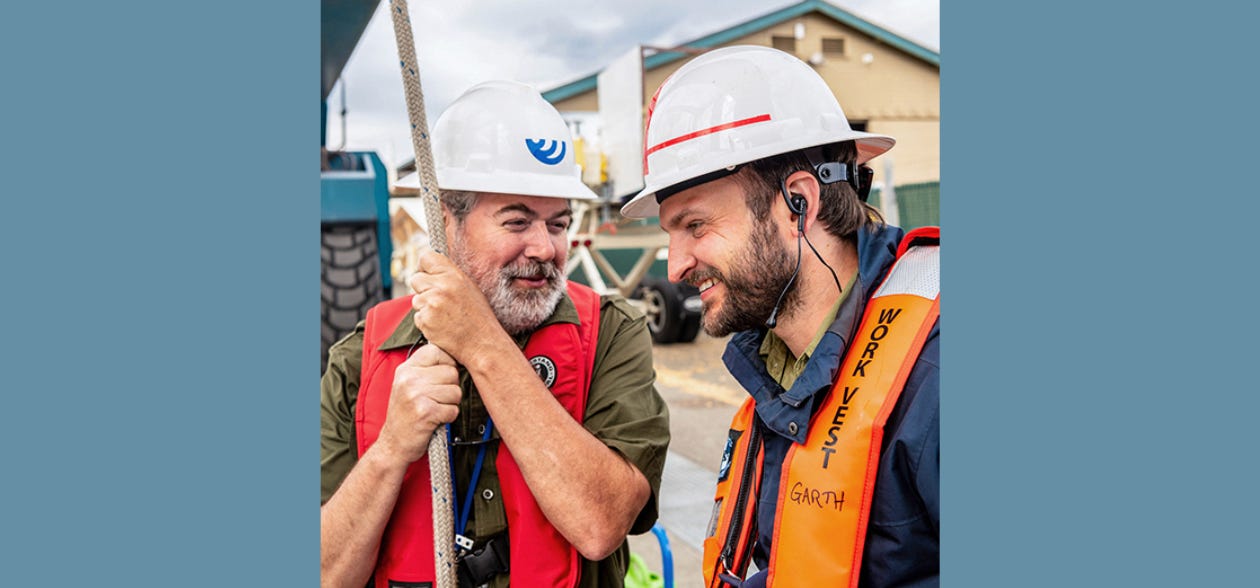
Panthalassa was founded in 2016 by Garth Sheldon-Coulson and Brian Moffat as a public benefit corporation in Portland, Oregon. It’s named after the ancient ocean that surrounded the supercontinent Pangaea.
Brian spent a decade in ocean energy research, previously developing a wave energy system at Spindrift Energy. Garth came from a background in finance and has a law degree from Harvard and an engineering master's from MIT. The question they started with: what's the only energy source at terawatt scale that no one else is racing to build?
The answer was the open ocean. They spent years in wave tanks at Oregon State University, deploying Ocean-1 in 2021 and Ocean-2 in 2024 to prove the platform at sea. In 2018 they filed a patent for wave-powered computing grids, the system they're building now.
In May 2026 Panthalassa closed a $140M Series B led by Peter Thiel's Founders Fund, with participation from many other top tier climate investors and tech titans. Total funding raised: $218M.
The company now has 120 employees drawn from SpaceX, Google, NASA, etc. and Ocean-3 pilot nodes are scheduled to be deployed in the northern Pacific in 2026, with commercial systems targeted for 2027.
Top Impact Stats 📈
1. Targeting $0.02/kWh, which would undercut even the cheapest utility-scale renewables today.
2. Up to 90% capacity factor (how much of the time a power source is actually generating electricity at full capacity), more than 2x offshore wind, and nearly 4x solar.
3. Goal: $1B factory producing 1 GW of node capacity per year with no permitting, no grid, no land acquisition. The traditional way requires several billions, paperwork and years.
Whenever you’re ready, there are 2 ways I can help you:
Scale and optimize your business: Automation and AI implementation (Claude expertise) for companies so they can free up time to scale their revenues.
Give visibility to your climate company: Get your company in front of an audience of thousands of climate players and enthusiasts by sponsoring newsletter issues and LinkedIn posts.
Thanks for reading today’s issue! If you liked it feel free to hit the ❤️ button and share it with someone who might like it too. See you next Saturday:)