


Read time: 5 minutes
Hi, I’m Javi Gascón.
This is Climate Tech Distillery, a newsletter where I talk about one specific climate tech company every week.
Today we’ll distill a company that’s building autonomous underwater drones to restore ocean ecosystems and do all sorts of operations at sea: Ulysses 🇺🇸

If you’re working in or interested in climate tech, check out Climate Coffee ☕️.
Free monthly in-person events in 35+ cities worldwide, with a community of 6,000+ people already showing up. Find your city and join for free.
Want to sponsor Climate Tech Distillery? Here’s all the info.
What Problem Does Ulysses Tackle❓
Seagrass meadows are one of the ocean's most powerful climate tools. And they're vanishing.
1. A disappearing carbon sink: Seagrass covers just 0.1% of the ocean floor but captures CO₂ up to 35x faster than tropical rainforests and stores up to 18% of the ocean's total carbon. It's also declining at 7% per year globally.
2. Restoration can't keep pace: Traditional hand-planting by volunteers restores ~5 hectares per year when conditions cooperate. The Great Barrier Reef alone has 35,000 km² of seagrass at risk. The numbers are tough.
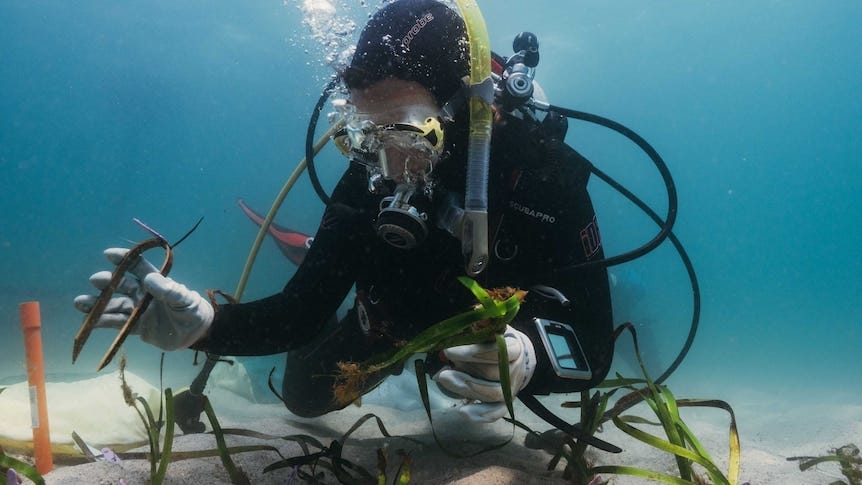
3. The loss releases stored carbon: When a meadow dies, it doesn’t just stop absorbing CO₂, it releases centuries of accumulated carbon from the sediment. At-risk seagrass stocks could emit the equivalent of 1,154 megatonnes of CO₂ if left unaddressed.
4. Existing underwater robots weren't built for this: Legacy subsea vehicles come from the oil and gas industry. They’re expensive, large, and designed to sense environments rather than interact with them. There was no cheap, modular robot specifically for habitat restoration.
Product / Service 📦
Ulysses built a full autonomous marine robotics platform. 3 vehicles, 0 humans required from launch to recovery. A game-changer for marine ecosystem restoration:
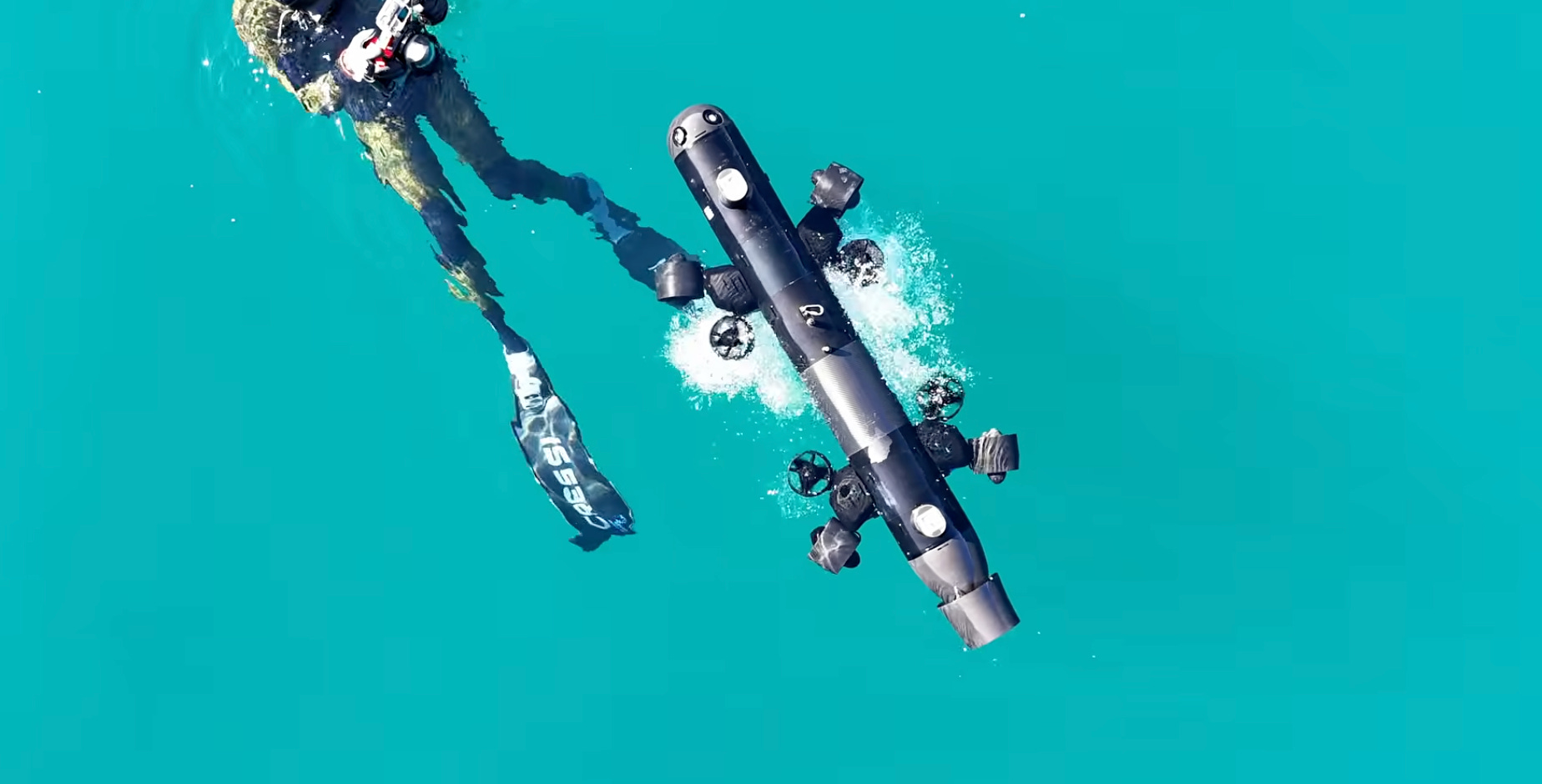
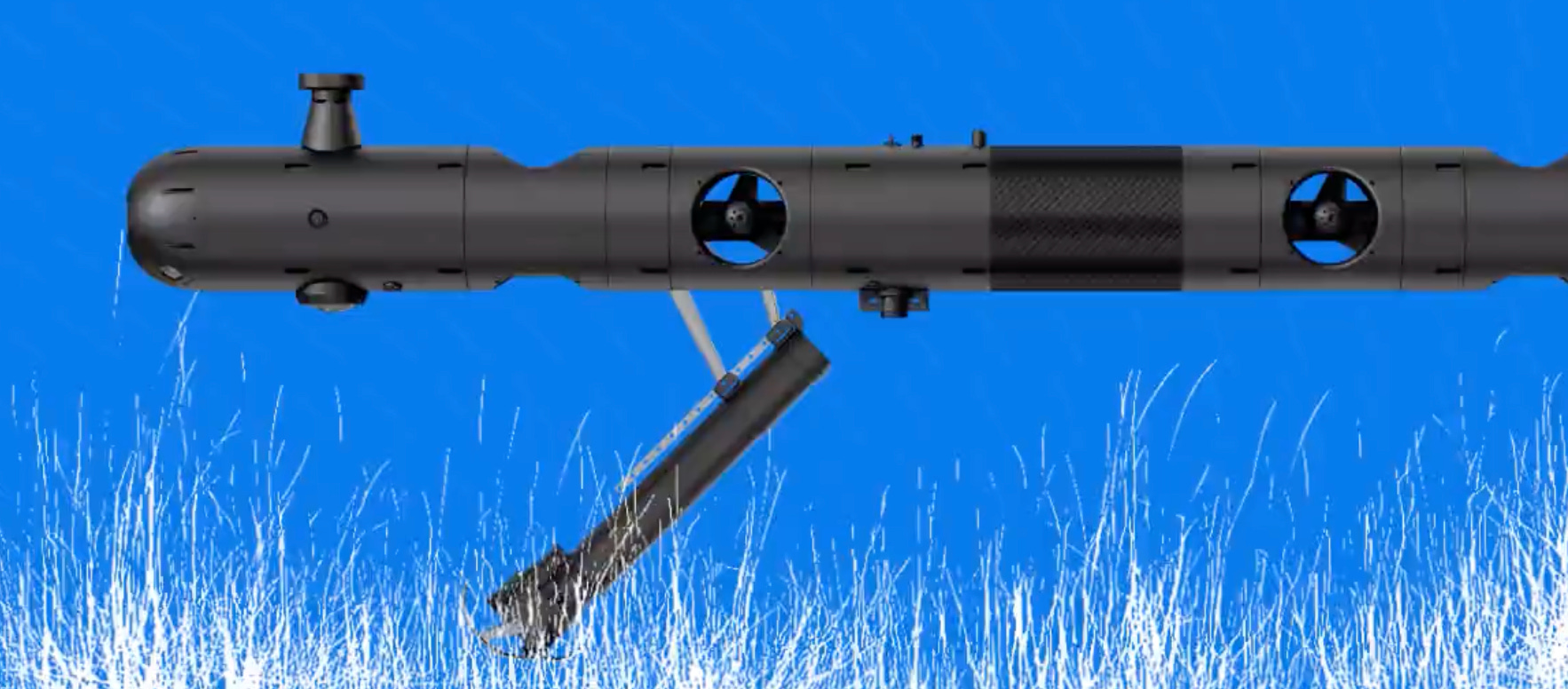
Mako (the AUV): Collects seeds from healthy donor meadows, plants them with robotic drills at the correct depth, and monitors growth. 72-hour endurance, ~200 lb payload capacity, operates to 5,000 ft depth, and 40X more compute than any small or medium vehicle on the market.
Leviathan (the surface vessel): An autonomous surface vehicle that deploys and recovers Mako. No crew needed on deck.
Kraken (launch & recovery): The shore-side system that launches, recovers, and recharges the whole fleet. Start to finish, with zero human intervention. SpaceX reusability logic, applied to ocean robots.
VERY fast: Traditional methods restore 5 hectares per year. Mako is designed to do 5 hectares per day. Restoration can finally outpace loss.
Way cheaper: Ulysses cut restoration costs 10x by borrowing from consumer tech (EV batteries, smartphone chips, FPV drone components). Up to 50x cheaper than legacy subsea systems. Vehicles talk to each other, enabling swarm coordination across large areas.
Modular by design: Attachments swap like Lego. Harvesting, planting, monitoring, etc.. That same modularity already has Ulysses expanding into offshore wind surveys, coastal management, and other habitat types. Seagrass is just the entry point.
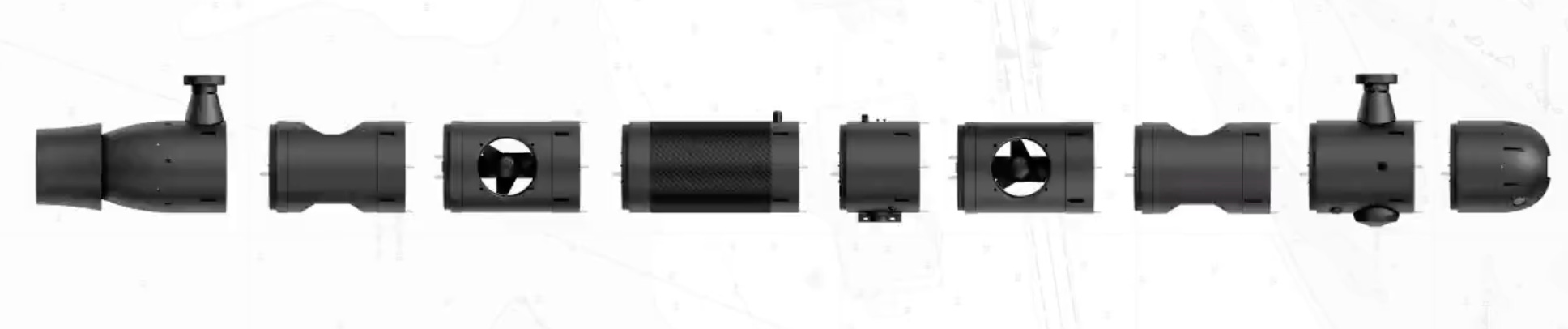
The long-term play is a general-purpose autonomous marine platform for anything requiring persistent, affordable ocean access.
Market 🌐
The ocean-based blue carbon credit market reached $1.42 billion in 2024 and is projected to hit $8.67 billion by 2033. Seagrass is its fastest-growing segment. The EU’s Nature Restoration Law mandates restoration with binding 2030 and 2050 deadlines. Government demand is real and growing.
The broader autonomous underwater vehicle market is even bigger ($8.72 billion by 2030). Defense, offshore energy inspection, and subsea infrastructure are all moving away from expensive crewed vessels toward persistent autonomous systems.
Other Key Players
ReefGen 🇺🇸: Building Grasshopper, a semi-autonomous seagrass-planting robot that can plant up to 60 seeds per minute. Also makes Cora, a coral restoration robot.
Eelume 🇳🇴: Snake-like underwater robot for subsea infrastructure inspection and maintenance. Targets offshore oil & gas. No restoration focus.
Terradepth 🇺🇸: Raised $30M+ to map the ocean floor for commercial and government use. Pure sensing, no habitat interaction.
Ulysses is the only one combining full end-to-end autonomy and a platform broad enough to serve the whole ocean economy.
Founding Story 🦄
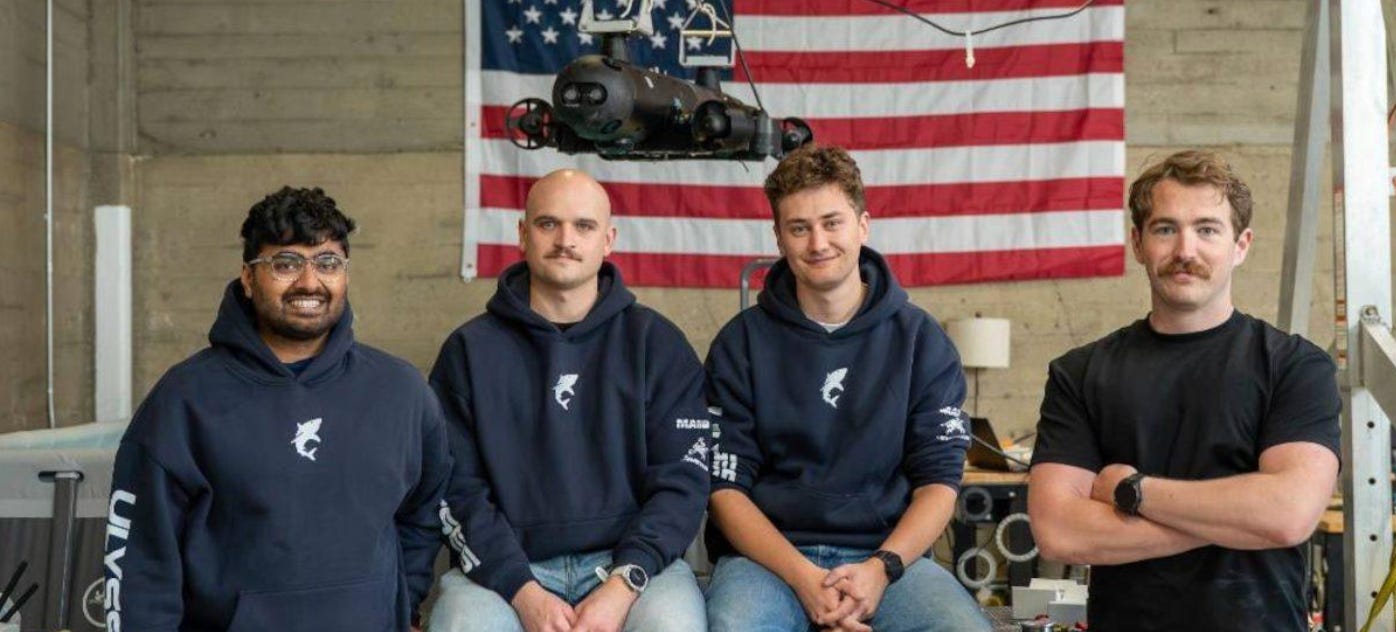
In early 2023, Jamie Wedderburn was surfing on the west coast of Scotland when a friend described a miserable volunteering day: 40+ people planting seagrass for hours in rain and wind, only for the whole meadow to wash away. Jamie had never heard of seagrass. That night he fell down a rabbit hole and came out convinced there was an engineering problem to solve.
He pitched it to Akhil Voorakkara, a colleague from drone delivery, who immediately agreed. They recruited brothers Will and Colm O’Brien. Between the four of them: F1, autonomous vehicles, satellites, deep-sea robotics. Within weeks they quit their jobs, built a first prototype in a weekend, and iterated through five hardware generations in a year.
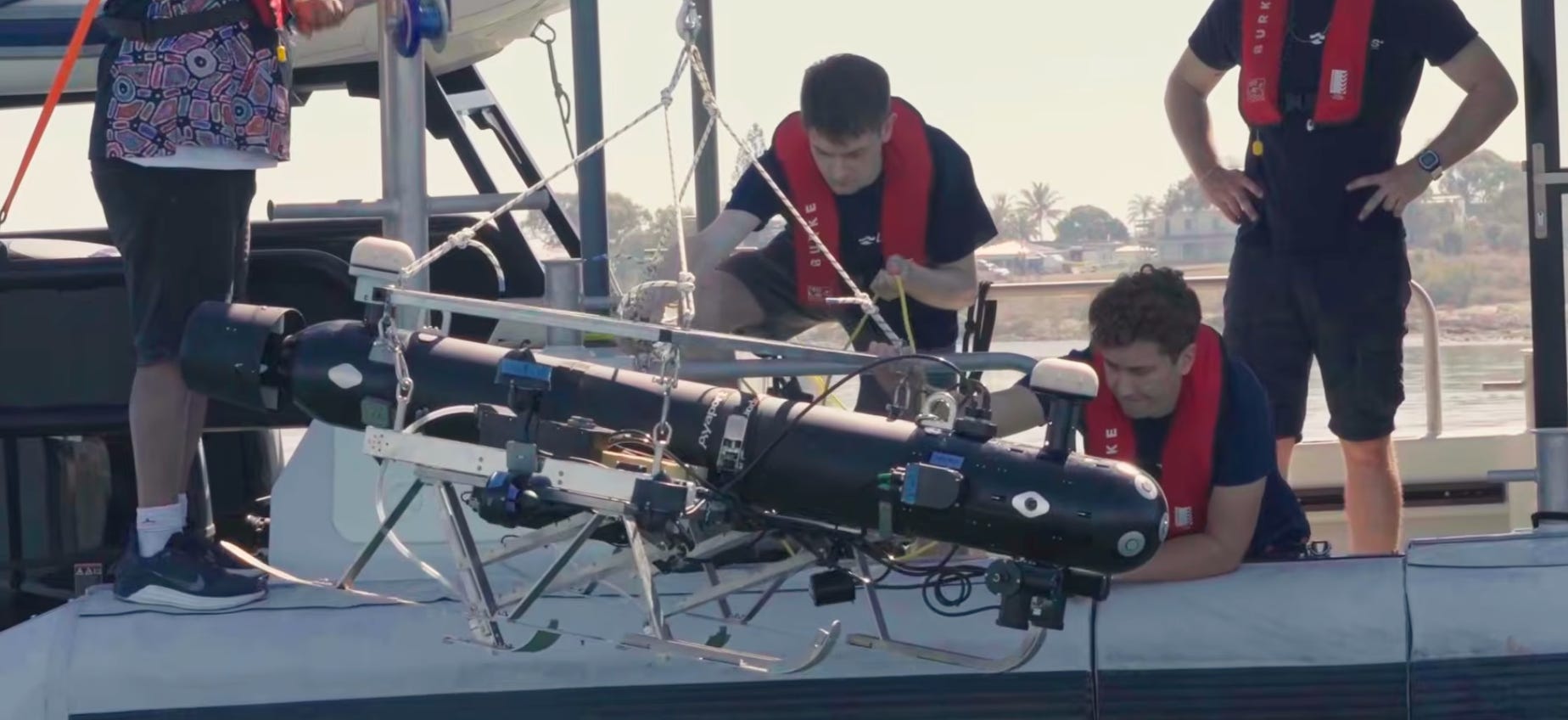
By early 2024 they had a working robot in the water, government partnerships in Florida and Australia, a Great Barrier Reef restoration trial underway, and nearly $1M in revenue.
November 2024: $2M pre-seed. The team relocated to San Francisco and kept building. April 2026: $46M Series A led by a16z and they’re in talks with the US Navy. Seagrass is one of many use cases now.
Top Impact Stats 📈
1. Up to 50x cheaper than legacy subsea systems.
2. 72-hour endurance with zero human intervention start to finish.
3. Mako restores seagrass 100x faster than hand-planting and at 10x lower cost.
Whenever you’re ready, there are 2 ways I can help you:
Scale and optimize your business: Automation and AI implementation (Claude expertise) for companies so they can free up time to scale their revenues.
Give visibility to your climate company: Get your company in front of an audience of thousands of climate players and enthusiasts by sponsoring newsletter issues and LinkedIn posts.
Thanks for reading today’s issue! If you liked it feel free to hit the ❤️ button and share it with someone who might like it too. See you next Saturday:)