


Read time: 5 minutes
Hi, I’m Javi Gascón.
This is Climate Tech Distillery, a newsletter where I talk about one specific climate tech company every week.
Today we’ll distill a company that uses AI agents to cut data center energy consumption by up to 30%: Phaidra 🇺🇸

Shoutout to my friend Hugo Rauch at New Wave, the only podcast you need to keep up with Europe’s climate-tech VC world.
Available on Substack, YouTube, Apple Podcasts, and Spotify.
Want to sponsor Climate Tech Distillery? Here’s all the info.
What Problem Does Phaidra Tackle❓
The AI boom is creating the fastest-growing new source of electricity demand on the planet, and most of that energy is being wasted.
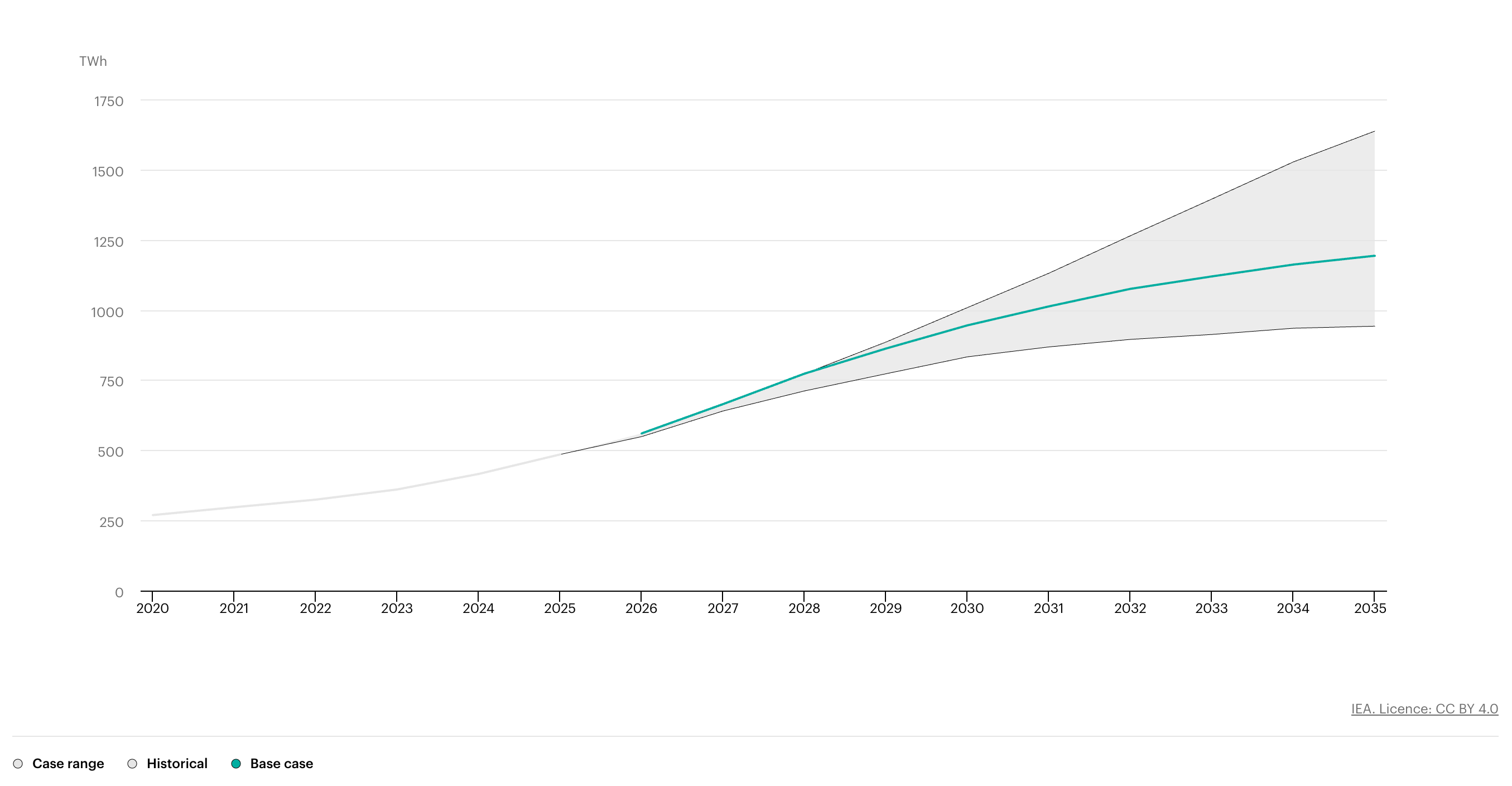
1. Data Center Demand: Global data center electricity consumption hit 415 TWh in 2024, about 1.5% of all electricity on Earth. The IEA projects it will double to ~945 TWh by 2030. AI is the main driver: AI-optimized servers consume up to 6x more power per rack than conventional ones.
2. Cooling: Up to 70% of a data center’s non-IT energy load goes to cooling. Most facilities run cooling at full blast 24/7 regardless of actual workload, because nobody knows in advance when a massive training job will spike the heat load.
3. Static Controls: Data center cooling systems run on hard-coded logic written once and updated every 5–10 years. They were designed for steady-state operation, not for the wild heat spikes that happen when an AI cluster fires up. The result: chronic over-cooling, GPU throttling, and wasted electricity.
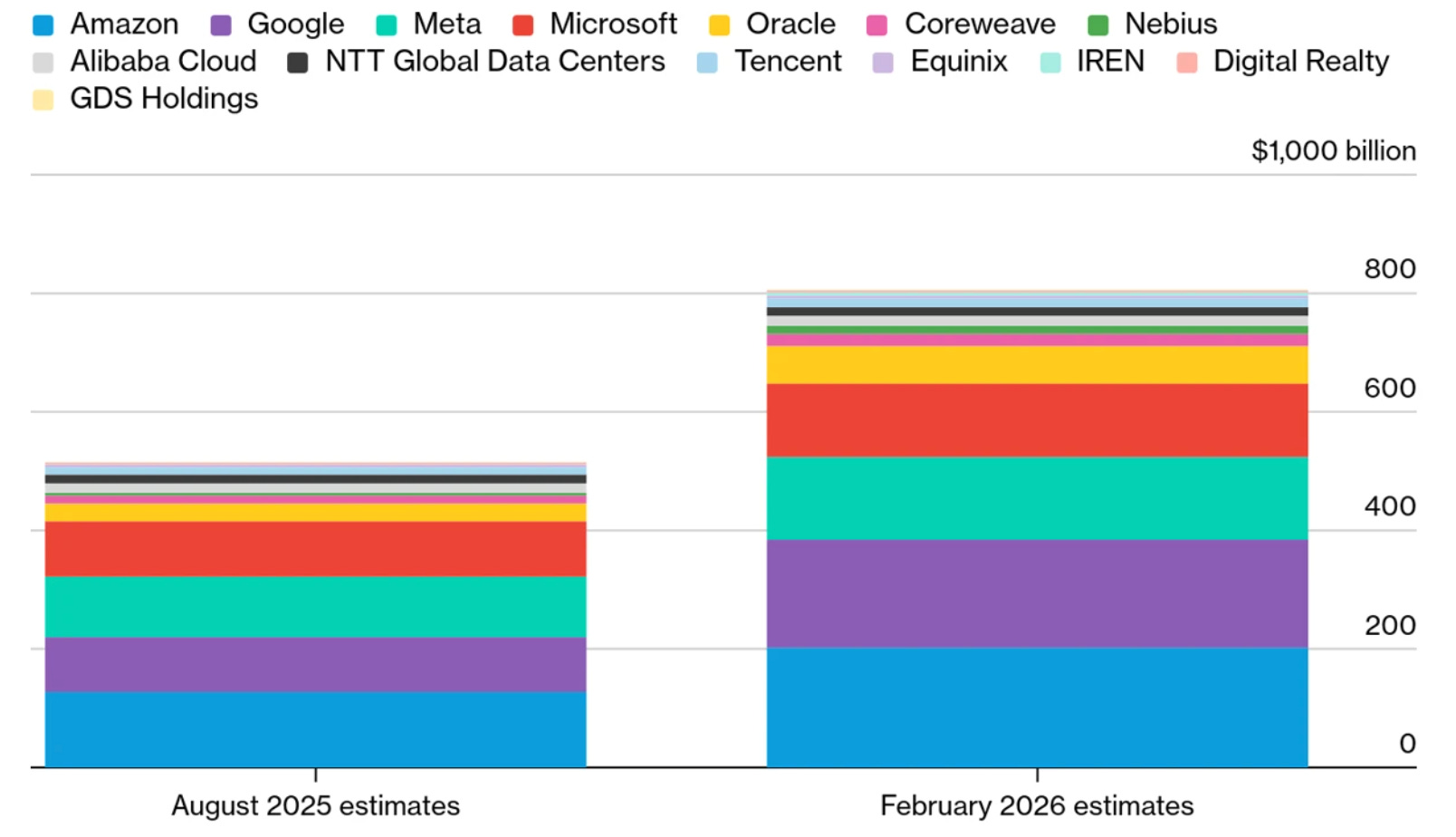
4. Crazy Scale: The 5 largest tech companies spent over $400 billion on data center capex in 2025. Virginia gets 26% of its electricity consumed by data centers. At gigawatt scale, a 20% inefficiency is a power plant’s worth of electricity doing nothing.
5. Water Issue: On top of electricity, a single 40MW data center can consume over 1 million tonnes of water annually for cooling. As AI clusters scale to hundreds of megawatts, water stress is becoming a hard constraint in many regions, and another reason the industry can’t just keep building bigger cooling systems.
Product / Service 📦
Phaidra builds AI agents that autonomously control the cooling and power systems of data centers, replacing static controls with self-learning intelligence.
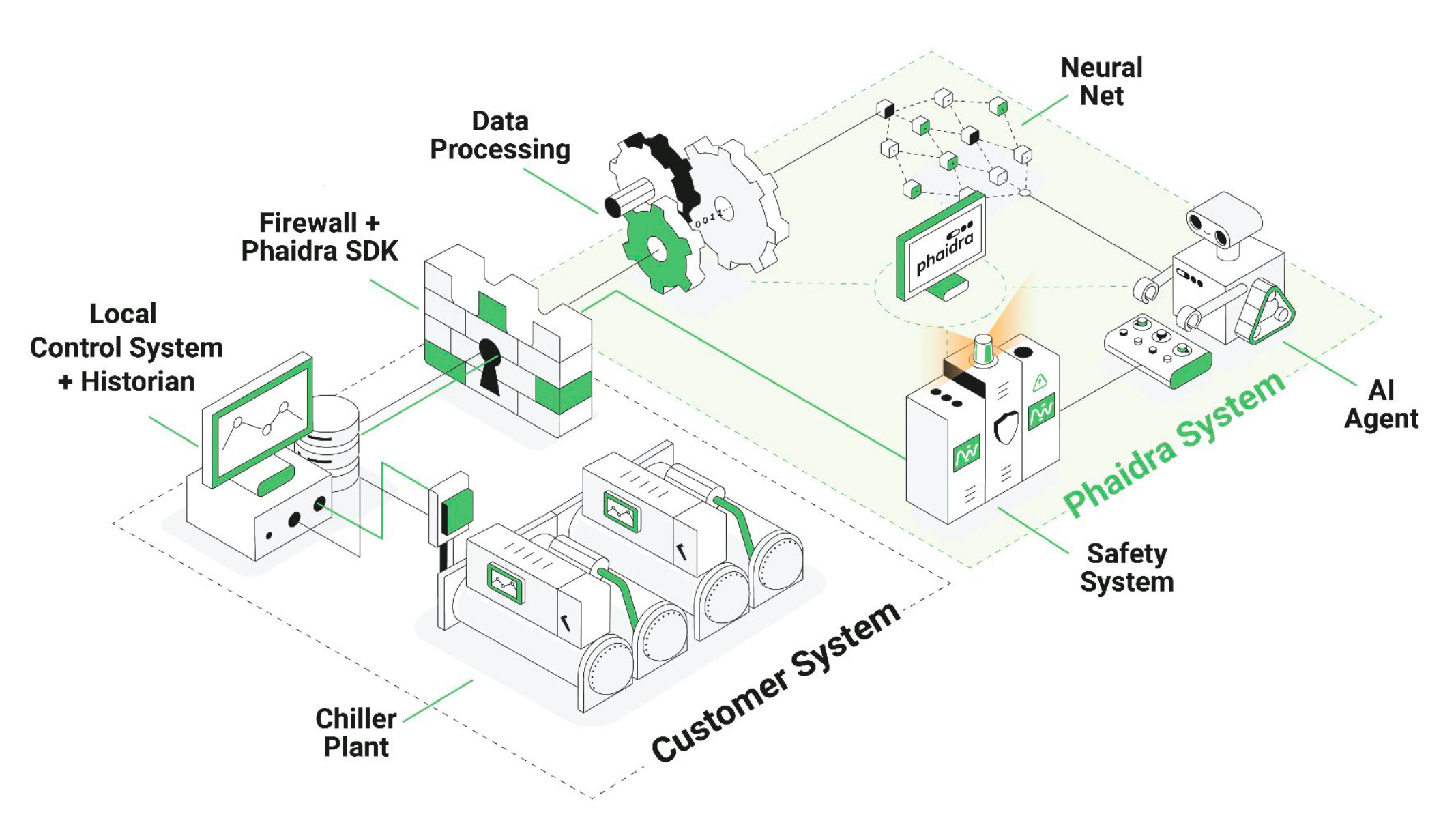
Alfred, the Virtual Plant Operator: Their core AI agent plugs into a data center’s existing building management system as a supervisory layer. It ingests thousands of sensor readings in real time (temperatures, pressures, flow rates, power loads) and issues control instructions back to the physical systems. No hardware swap required.
Self-Learning, Proactive Control: Alfred uses reinforcement learning to evaluate billions of possible actions and pick the one that minimizes energy while keeping temperatures safe. Crucially, it acts before heat spikes happen: it monitors incoming power loads as an early-warning signal and prepares cooling in advance. In tests with Nvidia’s Blackwell clusters, this reduced thermal spikes by ~80%.
More Tokens Per Watt: By eliminating over-cooling and GPU throttling, Phaidra lets chips run closer to their thermal limits safely, extracting more compute from the same hardware. For AI cloud providers, that means more revenue per megawatt without adding a single server.
Real Cost Impact: Energy is the largest operating cost for any data center. A 15–30% reduction in cooling energy at a 100MW facility translates to tens of millions of dollars in annual savings. Phaidra charges for outcomes, not licenses, aligning their incentives directly with their customers’.
Works Anywhere With Complex Cooling: The same tech applies beyond data centers. Phaidra’s first major customer was Merck, across a 500-acre vaccine plant, and they’re now running a pilot with the UAE Ministry of Energy for district cooling operations.
Market 🌐
The AI infrastructure buildout is the largest capex wave in tech history, and energy efficiency is its biggest bottleneck. Any software that cuts a data center's energy bill by 15–30% is attacking a very large number.
Being baked into Nvidia's Vera Rubin DSX reference architecture is a massive distribution advantage. It means Phaidra's agents are the default recommendation for every new gigawatt-scale AI factory built on Nvidia hardware, which is most of them.
Other Key Players
Vigilent 🇺🇸:AI-driven HVAC and cooling optimization for data centers and commercial buildings. Probably the closest direct competitor to Phaidra's core product.
75F 🇺🇸: AI building controls for HVAC, focused on commercial real estate but increasingly data centers. Similar reinforcement learning approach.
And of course the big players like Siemens, Johnson Controls and even Nvidia are in the field of optimizing data center cooling.
Founding Story 🦄

In 2014, Google data center engineer Jim Gao cold-emailed DeepMind co-founder Mustafa Suleyman with one question: what if AlphaGo-style AI could run a data center's cooling system? Suleyman flew to Mountain View two weeks later. The result was one of the most-cited applied AI results of the decade: 40% reduction in cooling energy at Google's already heavily optimized data centers.
Then DeepMind quietly shut the project down in 2020 after failing to commercialize it externally. Gao left in 2019, and Veda Panneershelvam, one of AlphaGo's key engineers, followed in 2020. Together with Katie Hoffman, an industrial controls veteran, they founded Phaidra in Seattle to bring what they'd built at Google to every data center in the world.

They've raised over $92.5M in total from top tech companies and VCs and they’re already a team of around 100 people across 4 continents. Customers now include Governments and several Fortune 100 companies. Plus, they are constantly entering new sectors where cooling could use some optimization.
Top Impact Stats 📈
1. 40% cooling energy reduction at Google's data centers and 15–30% cooling energy reduction in commercial deployments.
2. GPU throttling from heat spikes can cut AI compute output by 20–30%.
3. Cooling accounts for ~40% of a data center's total electricity bill.
Whenever you’re ready, there are 2 ways I can help you:
Scale and optimize your climate business: Automation and AI systems for climate companies so they can free up time to scale their revenues and their climate impact.
Give visibility to your climate company: Get your company in front of an audience of thousands of climate players and enthusiasts by sponsoring newsletter issues and LinkedIn posts.
Thanks for reading today’s issue! If you liked it feel free to hit the ❤️ button and share it with someone who might like it too. See you next Saturday:)