


Read time: 5 minutes
Hi, I’m Javi Gascón.
This is Climate Tech Distillery, a newsletter where I talk about one specific climate tech company every week.
Today we'll distill a company that invented the world's first jet engine efficient from takeoff to Mach 3+. Cheaper to run, lower in emissions, and built to make supersonic flight as common as flying economy today: Astro Mechanica 🇺🇸
Do you use Google Drive and love color coding to stay organized? 🎨
If so, check out this extension I built that lets you customize any folder with UNLIMITED colors. 👀
Want to sponsor Climate Tech Distillery? Here’s all the info.
What Problem Does Astro Mechanica Tackle❓
Commercial aviation is one of the hardest sectors to decarbonize and the engines are one of the main problems.
1. All Commercial Planes Run on Turbofans: The A320, A380, Boeing 737, etc. all use turbofan engines, a technology optimized for subsonic cruise that hasn't fundamentally changed since the 1970s. We've hit the ceiling on incremental improvements.
2. Turbofans vs. Turbojets: Turbofans are efficient at subsonic speeds but drag-heavy going faster. Turbojets handle supersonic but waste huge amounts of fuel at low speeds. No single engine has ever been efficient across the full speed range.
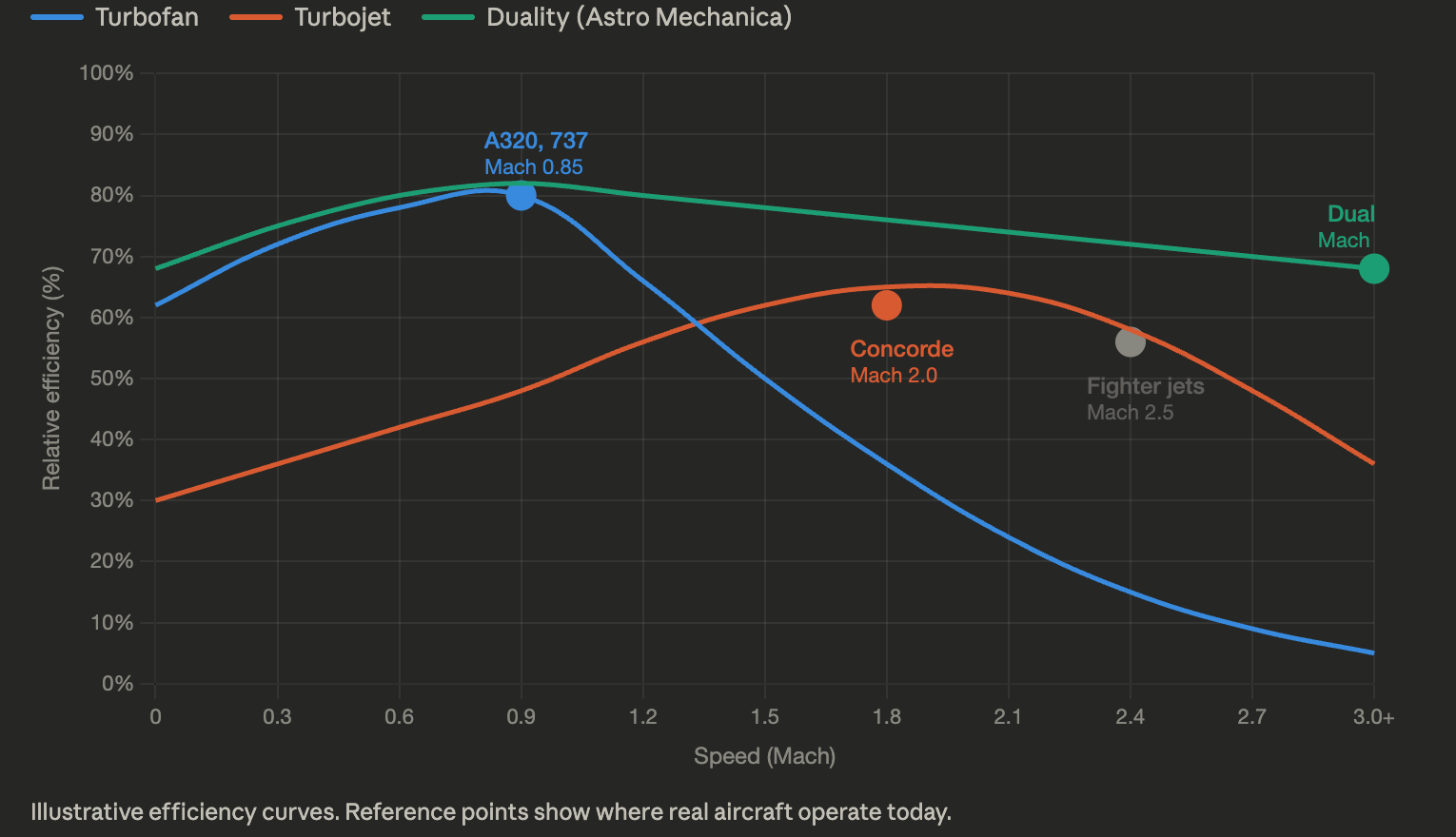
3. The Concorde Problem: The only commercial supersonic aircraft ever operated was so fuel-inefficient it used 2 tons of fuel just taxiing to the runway. Supersonic travel died because the economics never worked.
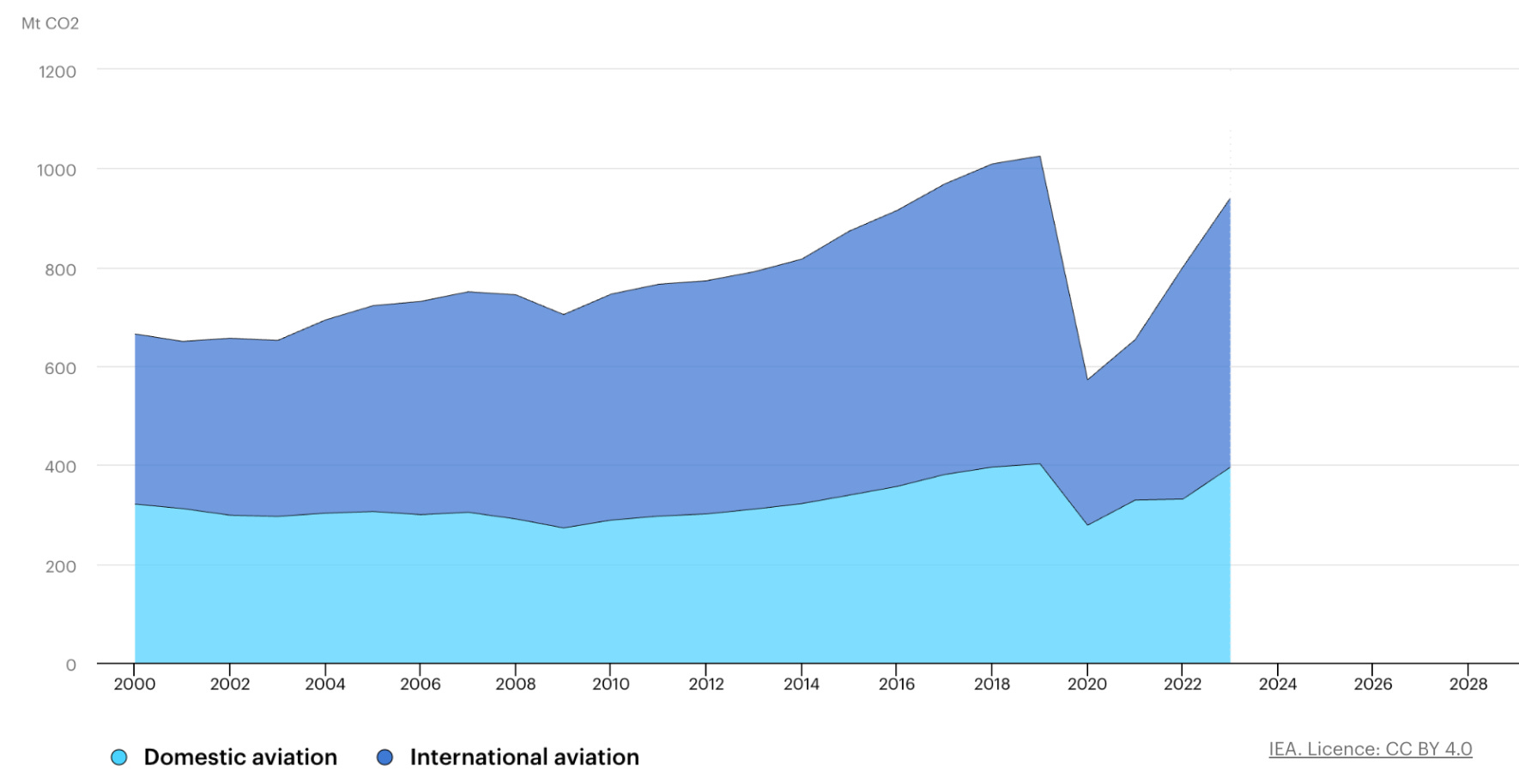
4. Aviation Emissions Keep Climbing: Aviation accounts for ~2% of global CO₂ and ~4% of total warming impact when contrails (the white lines in the sky left by planes) and NOx are included. Emissions are projected to double by 2050 without a step-change in propulsion.
5. No Easy Fix on Fuel Either: Unlike cars, there's no battery solution for long-haul flight. Sustainable Aviation Fuel (SAF) is only 0.2% of global supply today and costs 2–5x more than conventional jet fuel.
Product / Service 📦
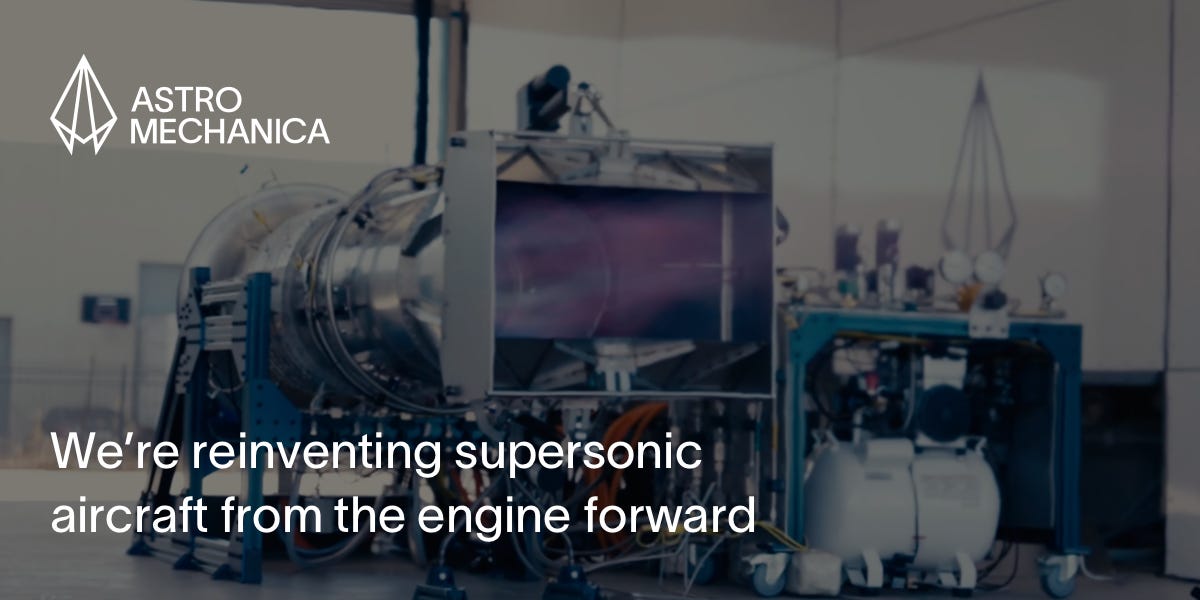
Astro Mechanica invented Duality™, the world's first jet engine efficient from takeoff to Mach 3+. Here's what makes it awesome:
Three Modes, One Engine: Acts like a turbofan at low speeds, switches to turbojet approaching supersonic, and operates like a ramjet at very high speeds. No other engine does all three.
Electric Motors Drive the Compressor: Instead of relying on exhaust gases, Duality uses EV-grade electric motors to spin the compressor independently, letting the engine adapt to any speed or altitude. This burns less fuel at every phase of flight, not just cruise.
Runs on LNG: Liquid natural gas costs roughly 1/10th of jet fuel and burns 30% less CO₂. It can also run on synthetic methane made from CO₂ and green hydrogen. Fully carbon-neutral supersonic flight is technically possible for the first time.
Simpler, Lower Footprint: Fewer moving parts than the CFM LEAP (the $14M engine powering lots of commercial planes) means lower manufacturing emissions, cheaper building and maintenance, and a smaller lifecycle carbon footprint.
Market 🌐
The supersonic jet market was valued at $27.1 billion in 2023 and is projected to reach $45.5 billion by 2033 (5.7% CAGR). Major airlines like United and American have already placed pre-orders for next-gen supersonic aircraft.
The deeper opportunity is propulsion. Every commercial aircraft in the sky will need a new engine within 20–30 years, and a system efficient at all speeds on cheap fuel would be a platform-level disruption.
Other Key Players
Boom Supersonic 🇺🇸: Building Overture, a 65-passenger Mach 1.7 airliner with their own purpose-built turbofan engine, designed to run on 100% SAF. 130 pre-orders from United, American, and Japan Airlines.
Hermeus 🇺🇸: Developing Chimera, a turbojet-to-ramjet hybrid engine targeting Mach 5+, initially for US defense with eventual commercial ambitions.
Duality is the only engine designed to power all sorts of planes (unlike competitors locked into a single aircraft) while running on cheap, clean fuel and targeting speed, cost, and emissions at once.
Founding Story 🦄
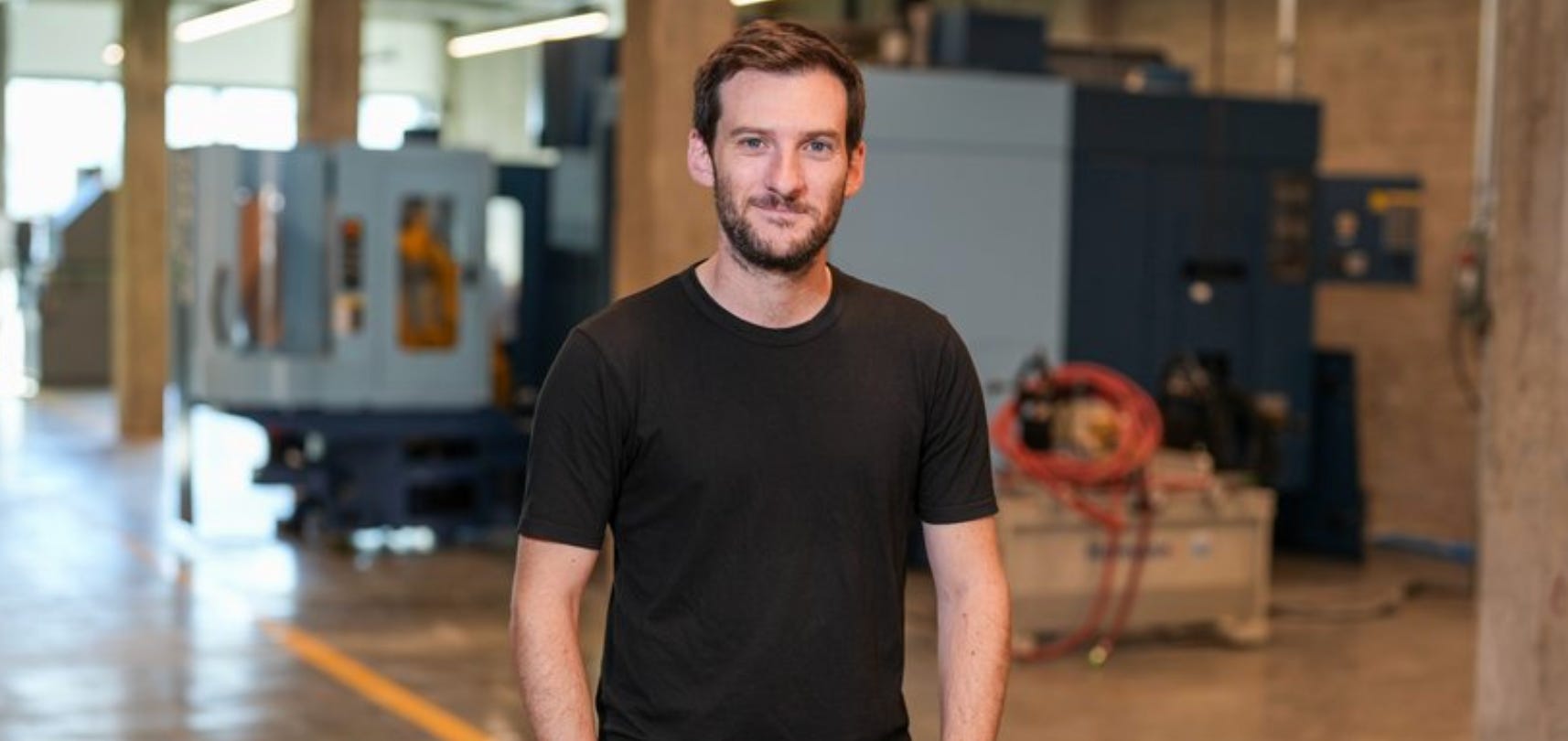
Astro Mechanica was founded in 2021 by Ian Brooke, a lifelong pilot and self-described "full-stack mechanical engineer" with degrees in Physics and Mechanical Engineering. Before this, he founded Daedalus Design, an advanced composites manufacturer.
Ian’s obsession with aviation led him to one question: why hasn’t anyone built a jet engine efficient at every speed? He built his first proof-of-concept in just 2 months. After raising from Lowercarbon Capital in 2022, he joined YC W24 and closed a $3M seed from a16z. By April 2025, total funding reached $27.1M, with United Airlines Ventures, Pioneer Fund, and Dolby Family Ventures joining the cap table.
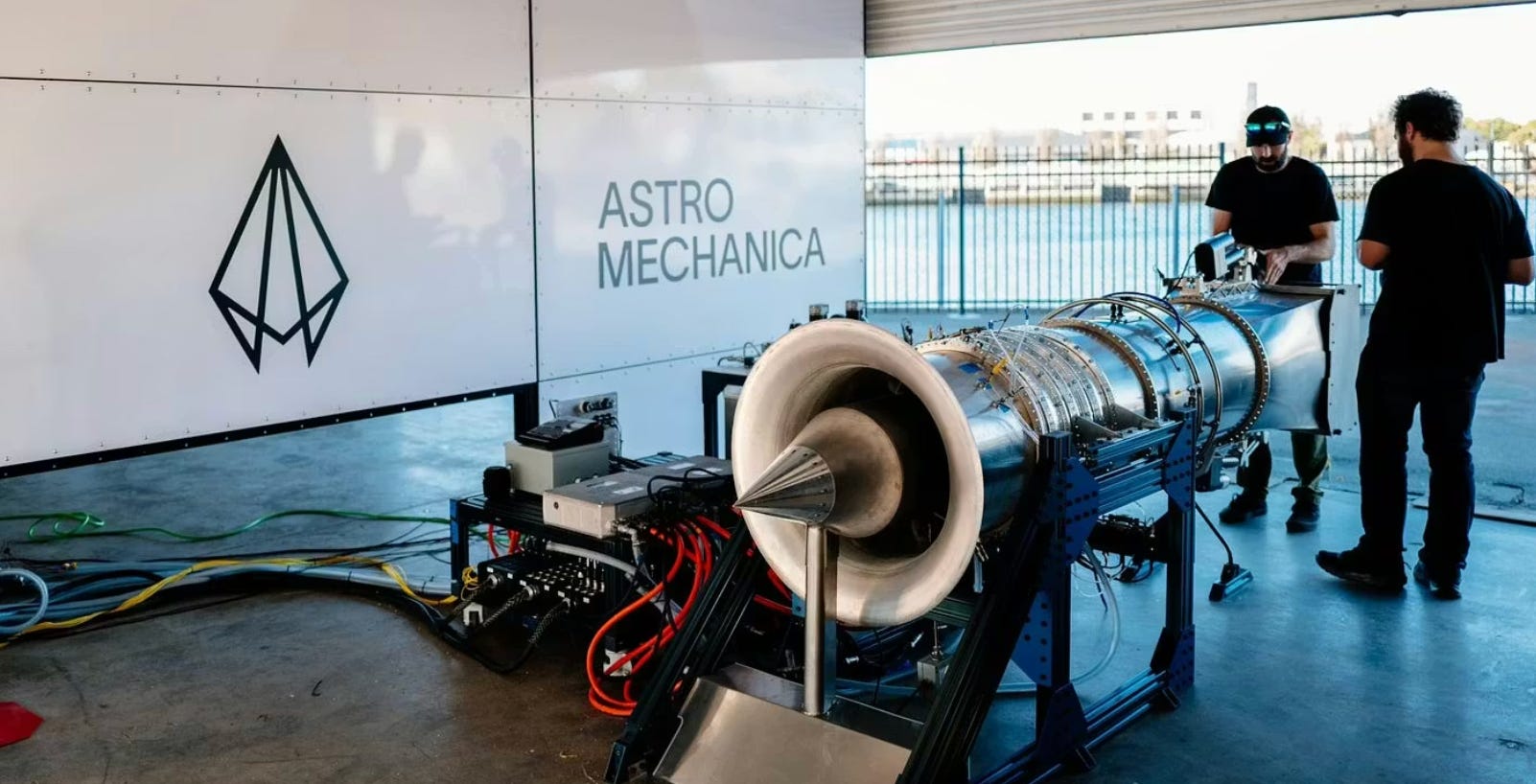
Their Gen3 engine hot-fired in October 2024, with high-altitude testing planned for 2026 and first flight in 2027. The US Air Force also tapped them to build engines for its Collaborative Combat Aircraft program, using defense contracts to de-risk the technology before going commercial.
Top Impact Stats 📈
1. Air-launching a rocket with their engine at 800 m/s delivers 3.5x more payload at 3.5x lower cost per kg to orbit.
2. Duality runs on LNG, roughly 1/10th the cost of jet fuel and 30% less CO₂ per flight, and could use synthetic methane made from CO₂ and green hydrogen.
3. Duality reaches Mach 3+ 3x faster than any commercial aircraft today, and is designed to cost significantly less to build and maintain than current engines.
Whenever you’re ready, there are 2 ways I can help you:
Scale and optimize your climate business: Automation and AI systems for climate companies so they can free up time to scale their revenues and their climate impact.
Give visibility to your climate company: Get your company in front of an audience of thousands of climate players and enthusiasts by sponsoring newsletter issues and LinkedIn posts.
Thanks for reading today’s issue! If you liked it feel free to hit the ❤️ button and share it with someone who might like it too. See you next Saturday:)