


Read time: 5 minutes
Hi, I’m Javi Gascón.
This is Climate Tech Distillery, a newsletter where I talk about one specific climate tech company every week.
Today we’ll distill a company that deploys robots to precisely combust fuels, slashing wildfire risks at scale: BurnBot 🇺🇸
Do you use Google Drive and love color coding to stay organized? 🎨
If so, check out this extension I built that lets you customize any folder with UNLIMITED colors. 👀
Your Drive will feel truly yours.
Want to sponsor Climate Tech Distillery? Here’s all the info.
What Problem Does BurnBot Tackle❓
They address the escalating wildfire crisis, where traditional prescribed burn methods cannot keep pace with the urgent need to reduce dangerous fuel loads across millions of acres at risk.
1. Huge Treatment Gap: The U.S. Forest Service has identified 237 million acres needing annual fuel treatment nationwide. Current operations only treat around 2.5 million acres annually (1% of what's needed). Wildfires keep getting bigger.
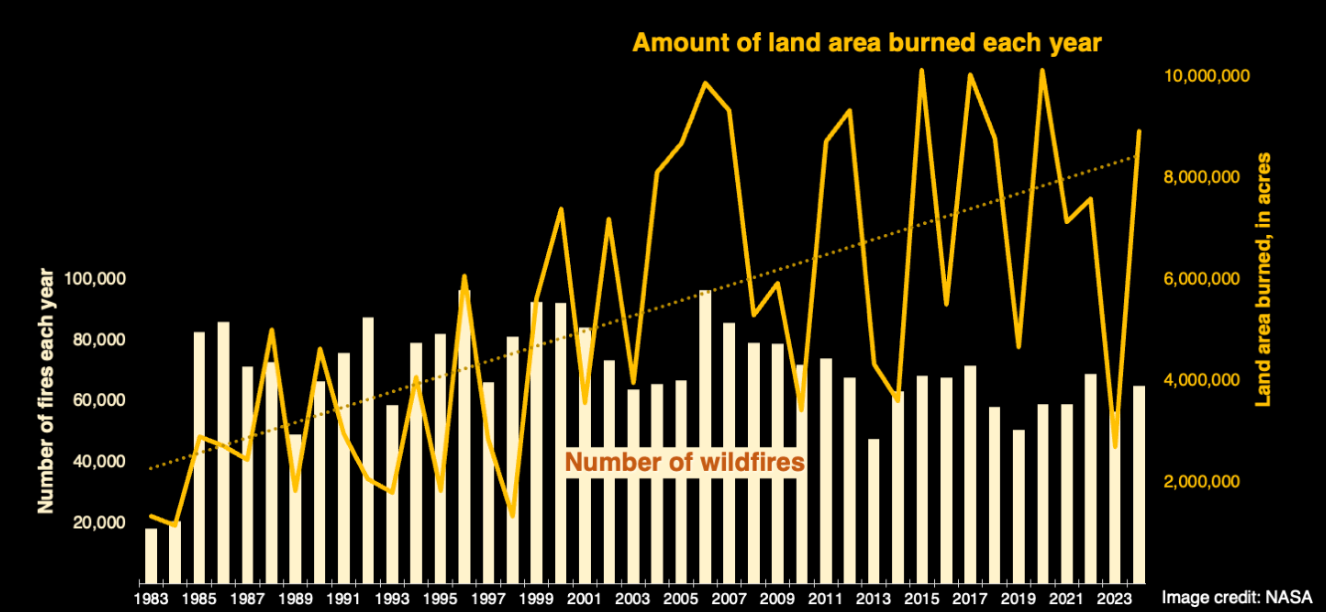
2. Narrow Weather Windows: Prescribed burns can only happen when conditions are precisely right. These safety constraints have shrunk as fire seasons expand, with December-May wildfire activity doubling since 2000.
3. Labor-Intensive Operations: Traditional prescribed burns require large crews of 10+ firefighters using hand-held drip torches. This slow process is limited by workforce availability. Big mismatch between treatment capacity and acreage needing attention.
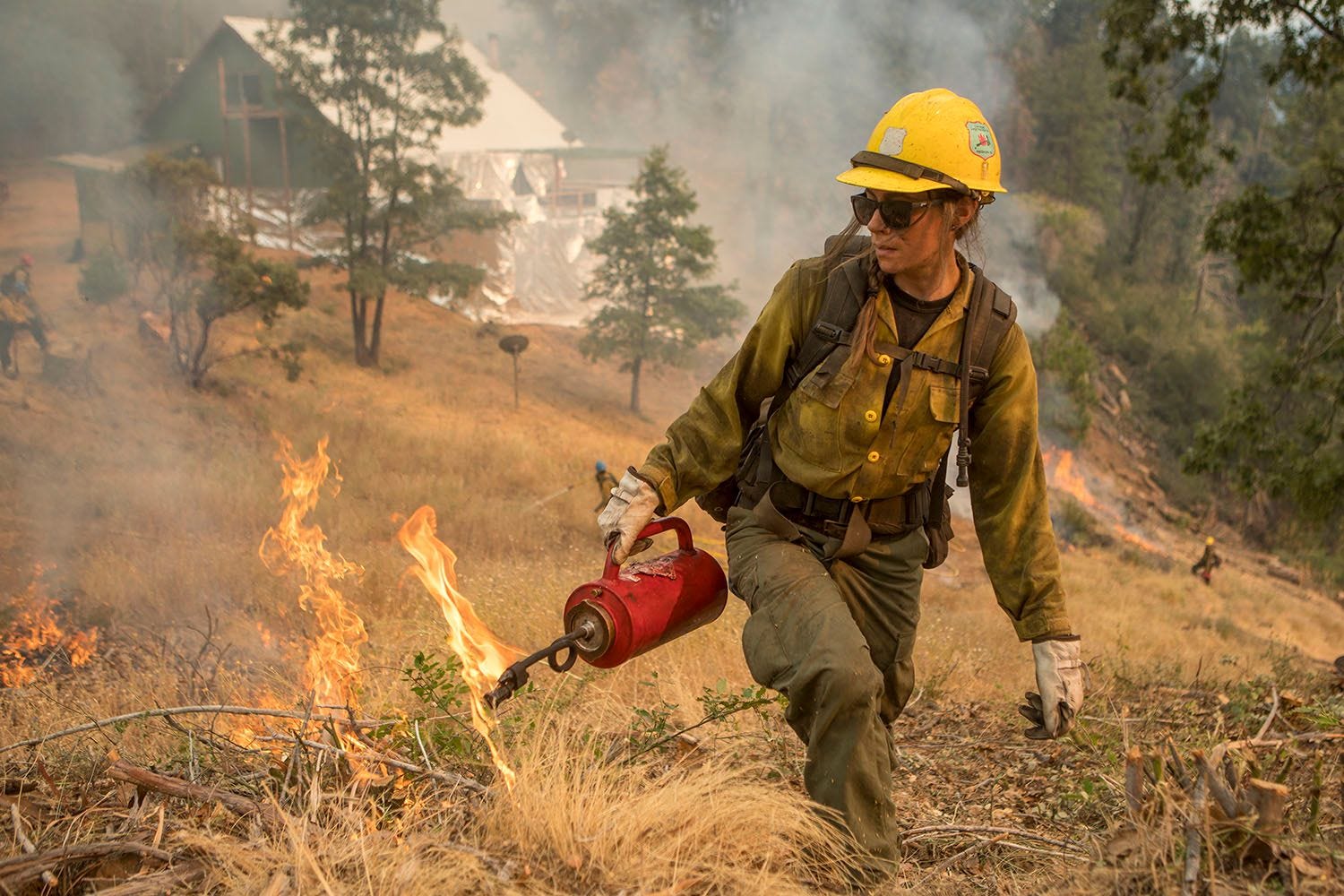
4. Smoke and Safety Constraints: Traditional prescribed burns create massive smoke plumes that prevent treatment near homes, power lines, and critical infrastructure. PG&E spends over $1 billion annually on vegetation management but typically avoids prescribed burns near its 18,500 miles of transmission lines because smoke creates safety risks.
Product / Service 📦
BurnBot's remote-controlled RX2 machine revolutionizes prescribed burns. Here's why it's so awesome:
Contained Combustion Chamber: Propane torches create flames up to 1700°F inside a sealed chamber. Dual intake fans trap flames and embers while high-oxygen combustion burns off smoke before it exits → virtually 0 visible smoke.
Remote Operation: Operators control the machine from up to 500 feet away, typically former firefighters. This removes crews from direct fire exposure while maintaining precision control over temperature and flame intensity.
All-Weather Capability: Operates in rain, humidity, and winds up to 20 mph, conditions that halt traditional burns. Works on 30° slopes, burns fuels up to 9 feet tall, and operates safely within 5 feet of structures and power lines.
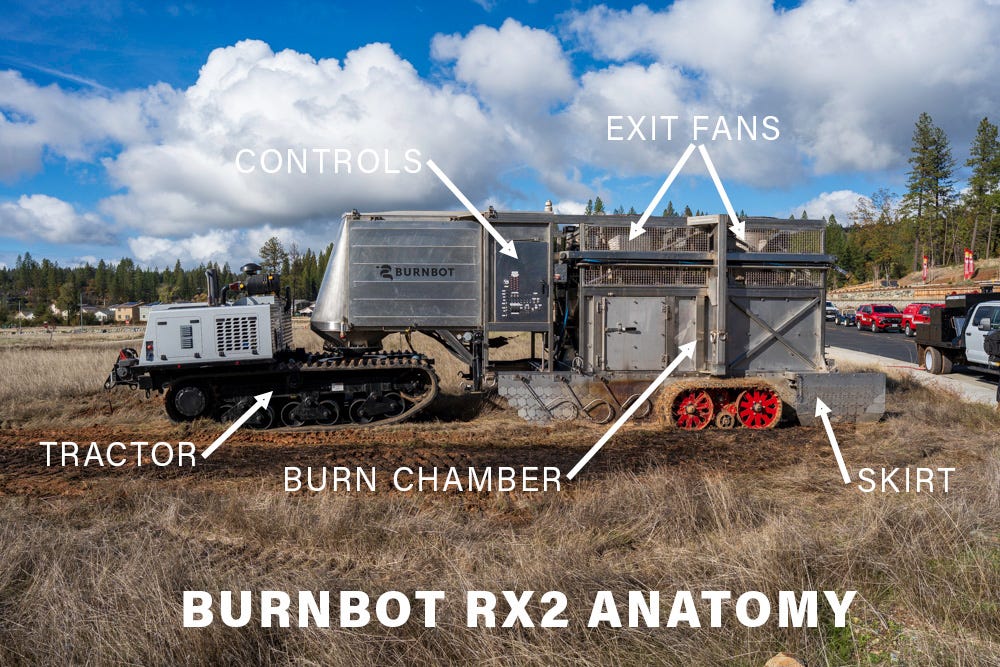
Reduced Crew Requirements: Completes burns with just 3-6 personnel instead of 10+ firefighters, covering areas 3-4x faster. Automatically logs GPS, weather, and performance data for complete digital burn reports.
Ecological Benefits: Preserves soil structure unlike bulldozers. Burns mimic natural fire cycles, promoting fire-resilient native species while destroying invasive grass seeds and protecting root systems.
Service Model: Agencies and utilities book machines on-demand starting around $1,000/acre. BurnBot provides trained operators to run the equipment, handling all logistics. Eventually operations will be fully autonomous.
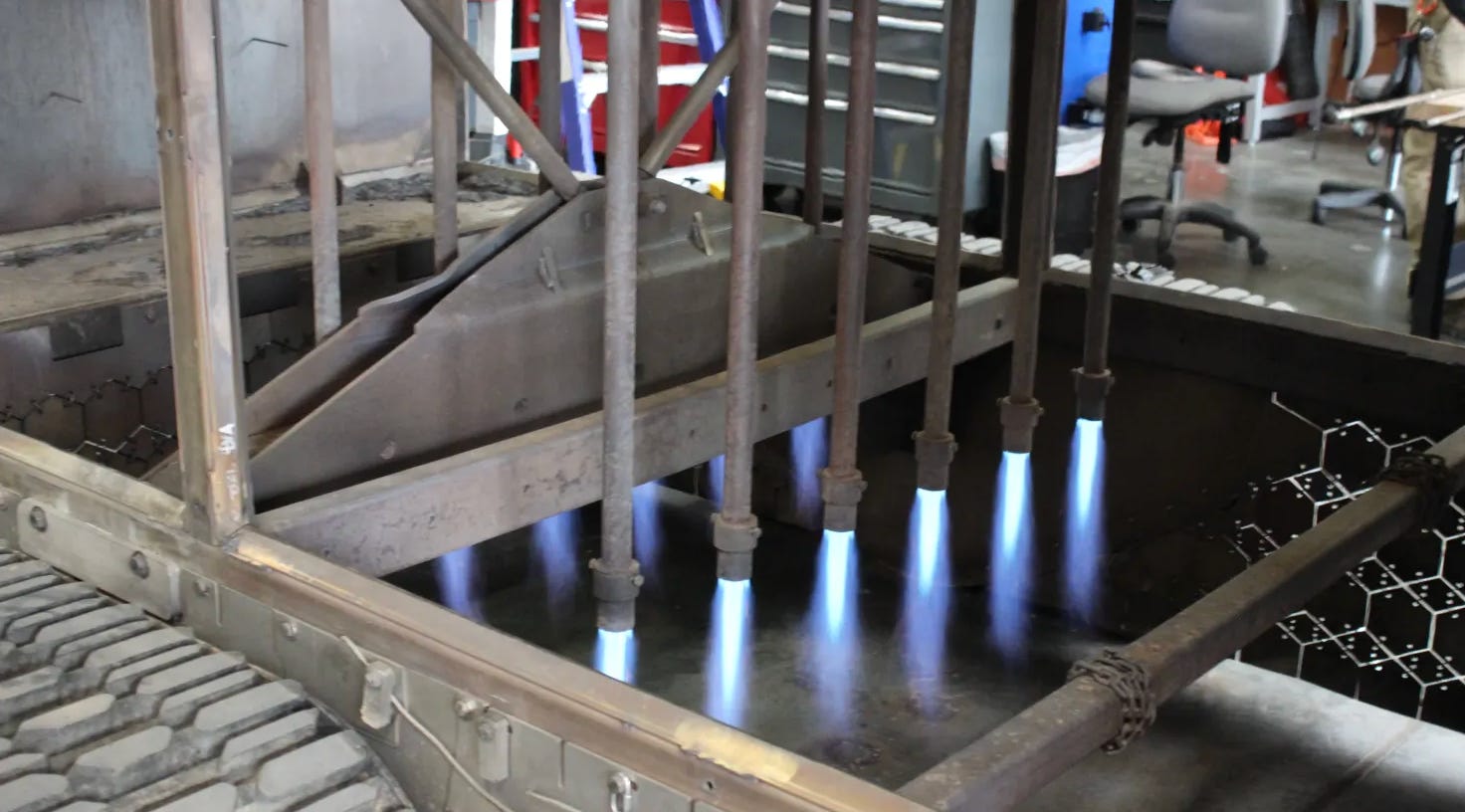
Market 🌐
The global wildfire protection system market was valued at $9.68 billion in 2024 and is projected to reach $25.3 billion by 2033.
Rising wildfire frequency due to climate change and government mandates for fuel treatment are driving demand. The Inflation Reduction Act allocated $2 billion for wildfire mitigation, accelerating adoption of these technologies.
Other Key Players
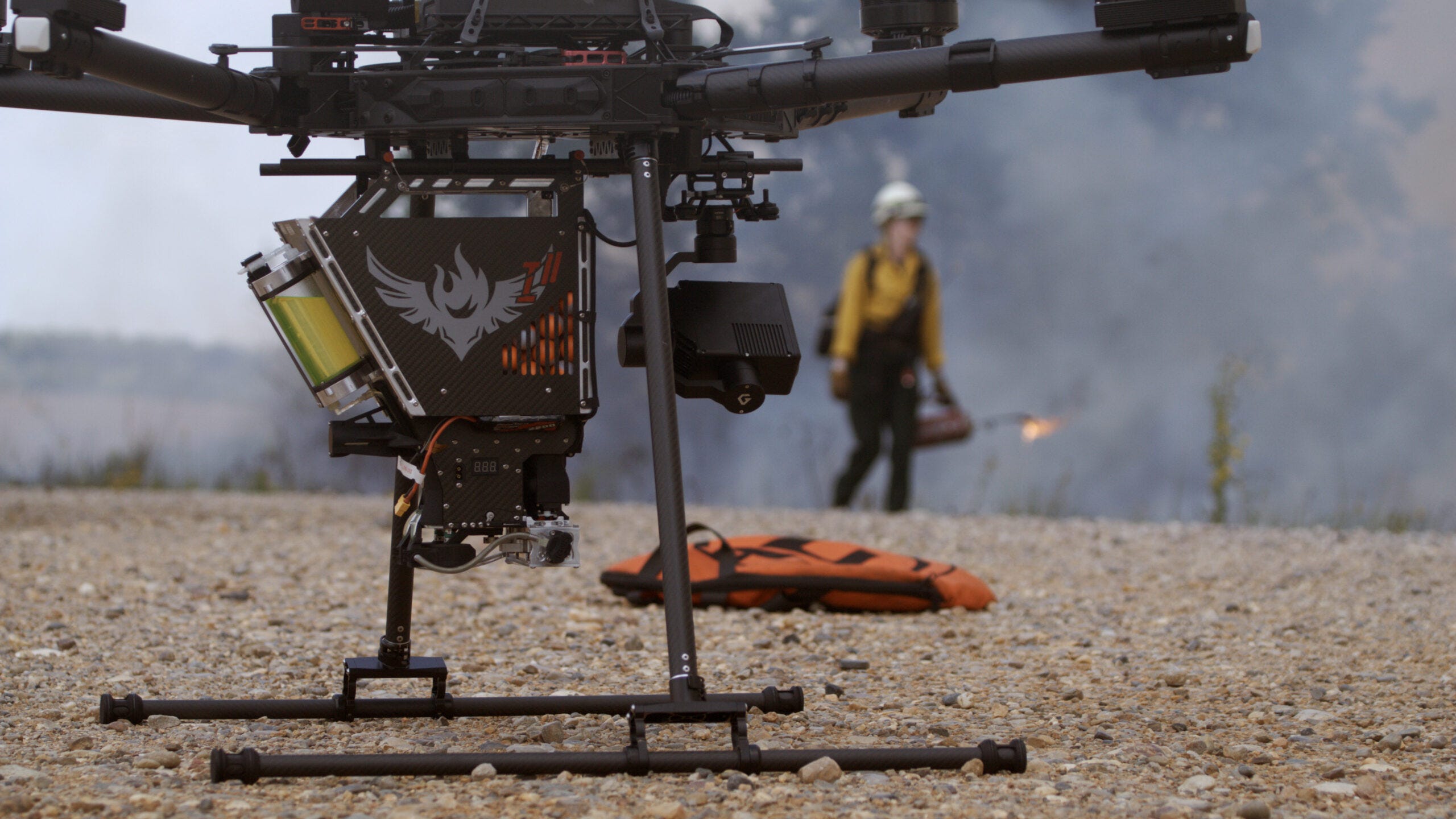
Drone Amplified 🇺🇸: Drone-based aerial ignition (IGNIS system drops spheres for prescribed fires).
Ecofire 🇪🇸: By putting their biodegradable substance on trees or anywhere really, you can keep them from burning and thus prevent the start and spread of wildfires.
Most companies focus on early detection (satellites, sensors, cameras) or extinction. Not many focus on prevention like BurnBot but the ones above are some.
Founding Story 🦄
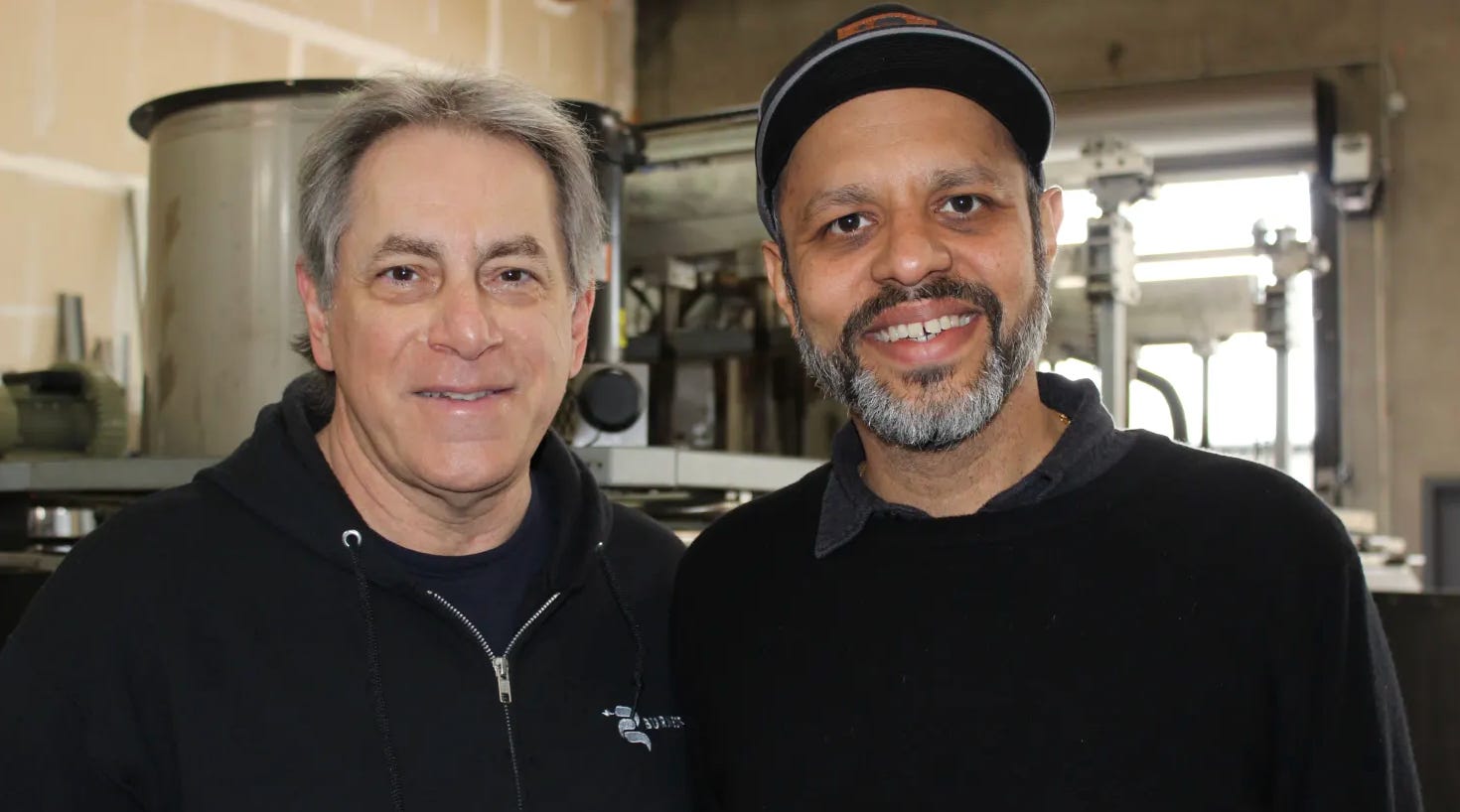
BurnBot was founded in 2022 by Dr. Anukool Lakhina and Dr. Waleed "Lee" Haddad, who were introduced by a mutual acquaintance after the devastating 2020 California and Oregon wildfires.
Lakhina holds a PhD in Computer Science from Boston University and previously founded Guavus, a pioneer in real-time big data analytics. He also co-founded Wonder Labs, a social enterprise focused on climate innovations, and is a Partner at Convective Capital, an early-stage wildfire crisis investor.
Haddad has a PhD in Physics and brings deep hardware expertise from the Lawrence Livermore National Laboratory and Vermeer Corporation, where he designed industrial and agricultural equipment. He holds over 40 patents and built the first BurnBot prototype in Lakhina's San Francisco kitchen to prove the concept to fire scientists and investors (testing it first on Lakhina's backyard).
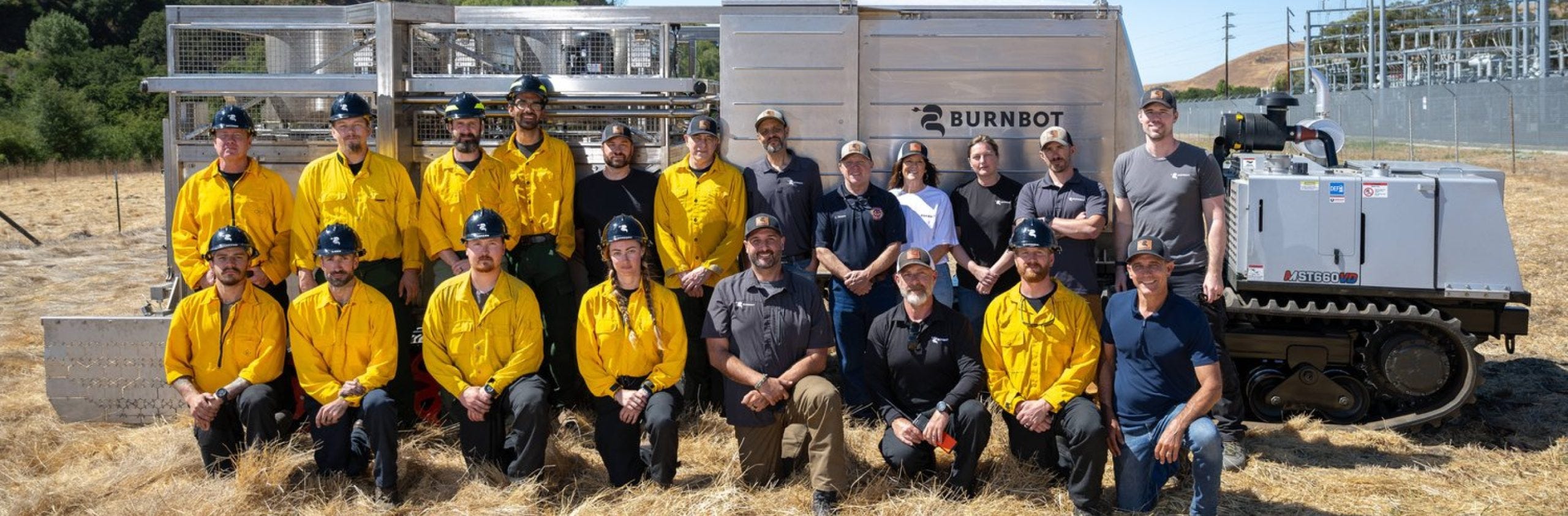
They have since raised $25M, they now employ 51-100 people (with nearly half being former firefighters), and they also hired experts like Simon Weibel (ex-Drone Amplified). They have signed multiple partnerships and launched actual projects with governments, companies and fire departments.
Top Impact Stats 📈
1. 60X lower cost than traditional hand-crew prescribed burns.
2. Safer, more precise and 3-4x faster than traditional methods.
3. Their data analytics also quantify exact risk reduction, unlocking savings on insurance premiums.
Whenever you’re ready, there are 2 ways I can help you:
Scale and optimize your climate business: Automation and AI systems for climate companies so they can free up time to scale their revenues and their climate impact.
Give visibility to your climate company: Get your company in front of an audience of thousands of climate players and enthusiasts by sponsoring newsletter issues and LinkedIn posts.
Thanks for reading today’s issue! If you liked it feel free to hit the ❤️ button and share it with someone who might like it too. See you next Saturday:)