


Read time: 5 minutes
Hi, I’m Javi Gascón.
This is Climate Tech Distillery, a newsletter where I talk about one specific climate tech company every week.
Today we'll distill a company that's storing clean power for 10 hours inside a giant bubble of CO₂, with Google as a customer: Energy Dome 🇮🇹
Want to sponsor Climate Tech Distillery? Here’s all the info.
What Problem Does Energy Dome Tackle❓
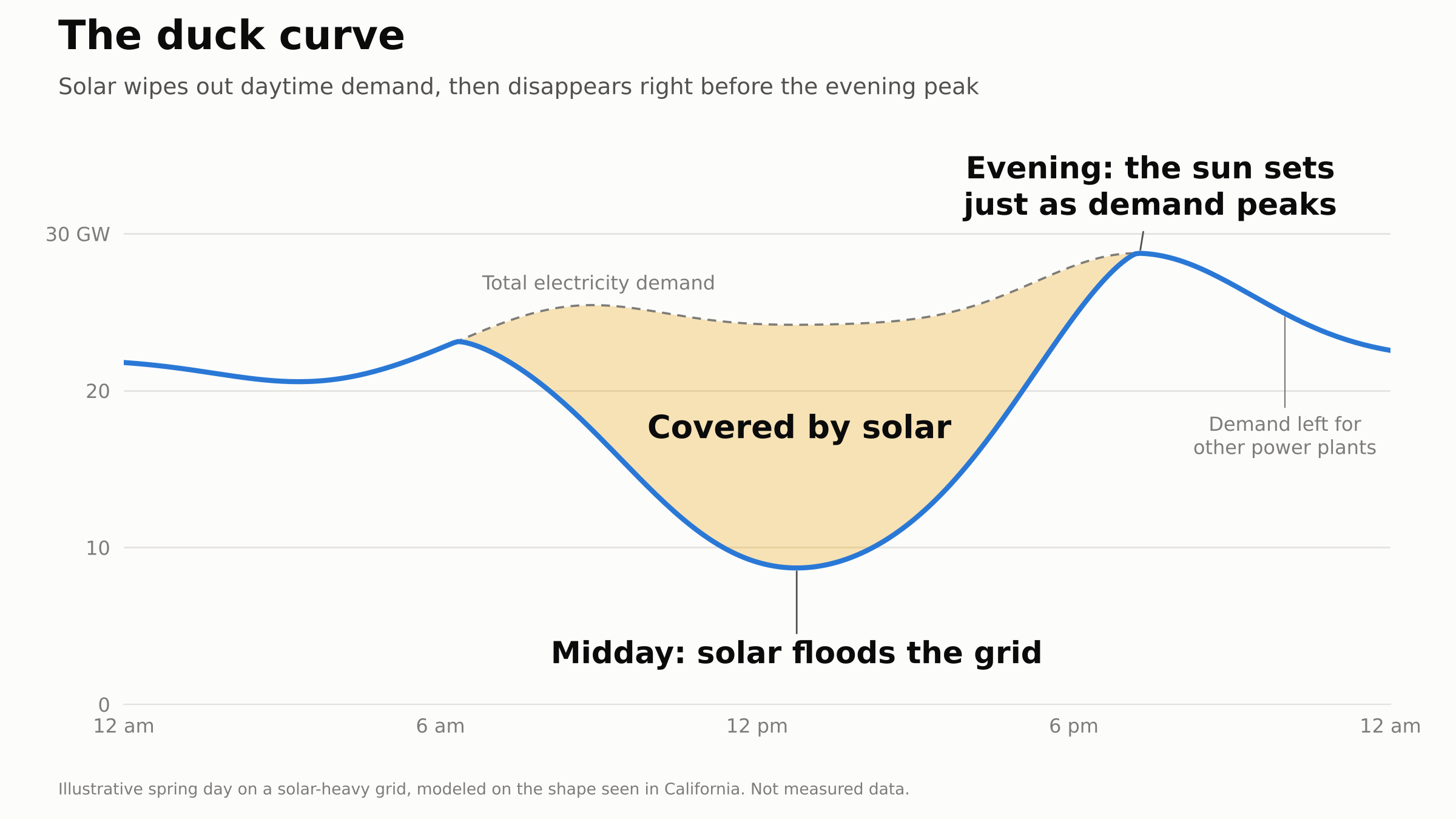
They tackle the awkward truth of renewables: the sun sets right when we switch everything on.
1. The evening gap: Solar floods the grid at midday and disappears by dinner time. Lithium-ion batteries typically cover 4 to 8 hours, not the whole night.
2. The old answer is slow: Pumped hydro is the classic way to store energy for longer. But it needs mountains and water, and a new plant can take up to a decade to build.
3. Data centers never sleep: AI data centers need power around the clock. Tech giants have promised to run them on clean energy 24/7, including the hours with no sun and no wind.
4. Batteries that wear out: Lithium-ion batteries lose capacity as they age, and they rely on mined lithium.
Product / Service 📦
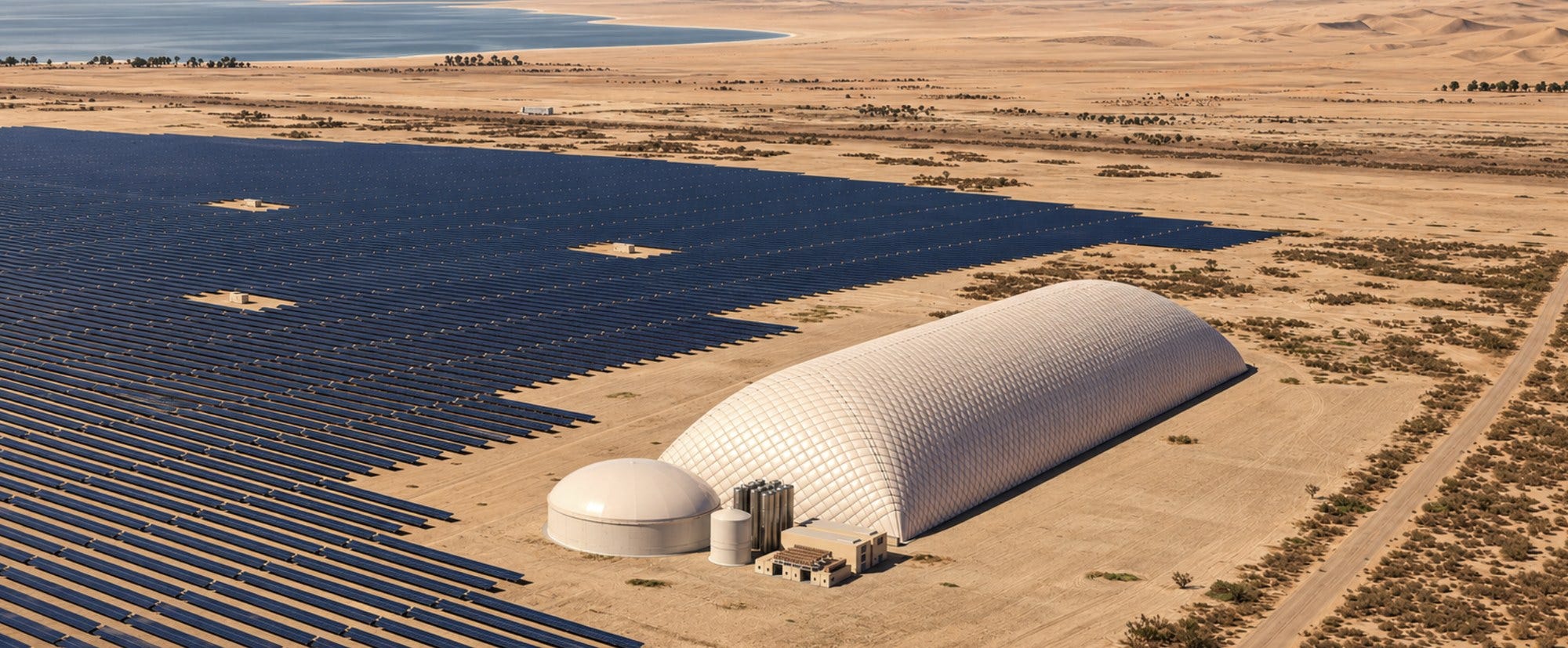
Energy Dome builds the CO₂ Battery, a storage plant for utilities and data centers that holds electricity for 8 to 24 hours.
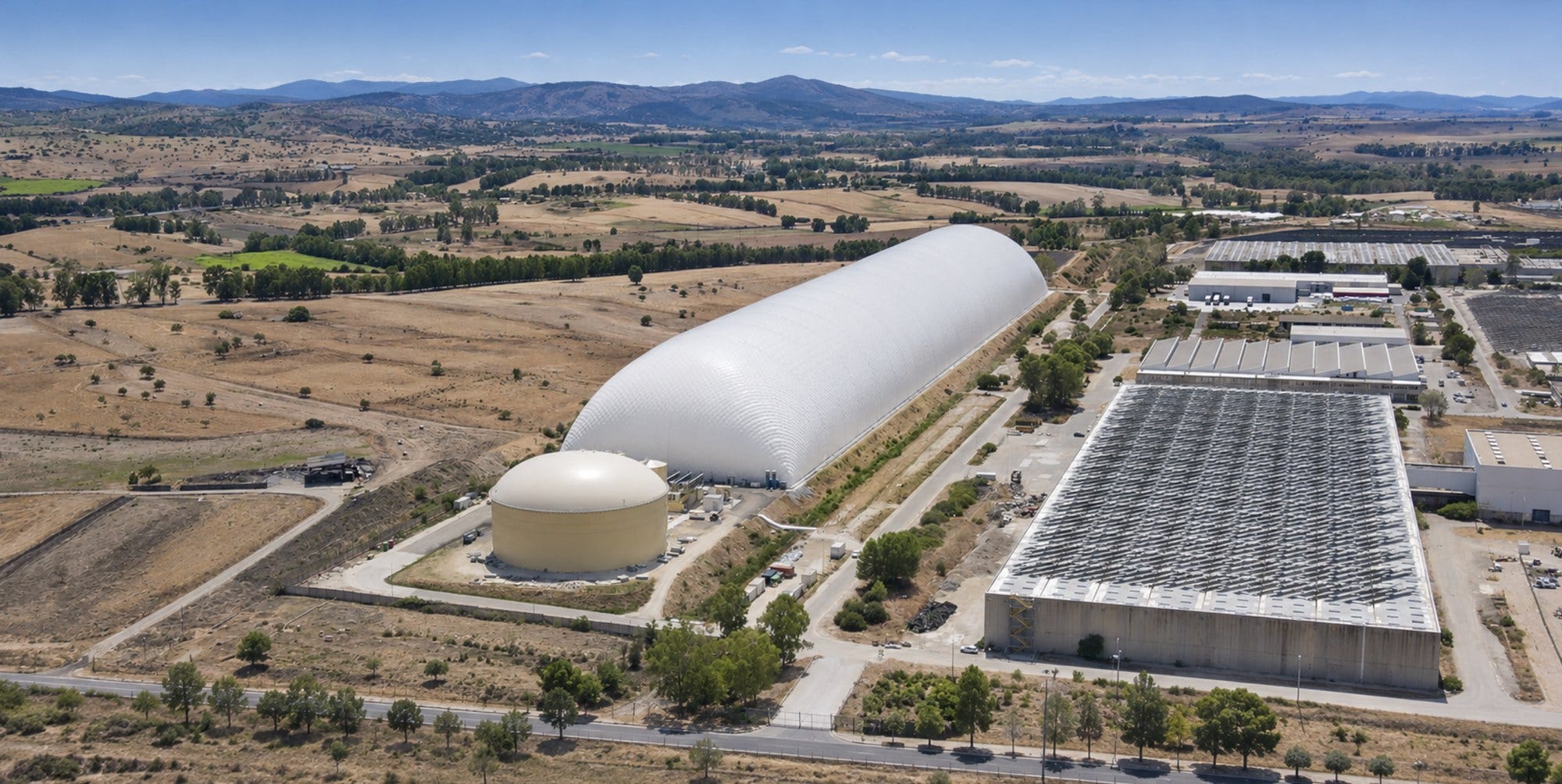
How it works: When power is cheap, a compressor squeezes CO₂ out of a giant inflatable dome until it turns liquid, and stores it in steel tanks. When the grid needs power, the liquid evaporates, expands and spins a turbine on its way back into the dome. Think of blowing up a balloon, then letting the air out through a pinwheel.
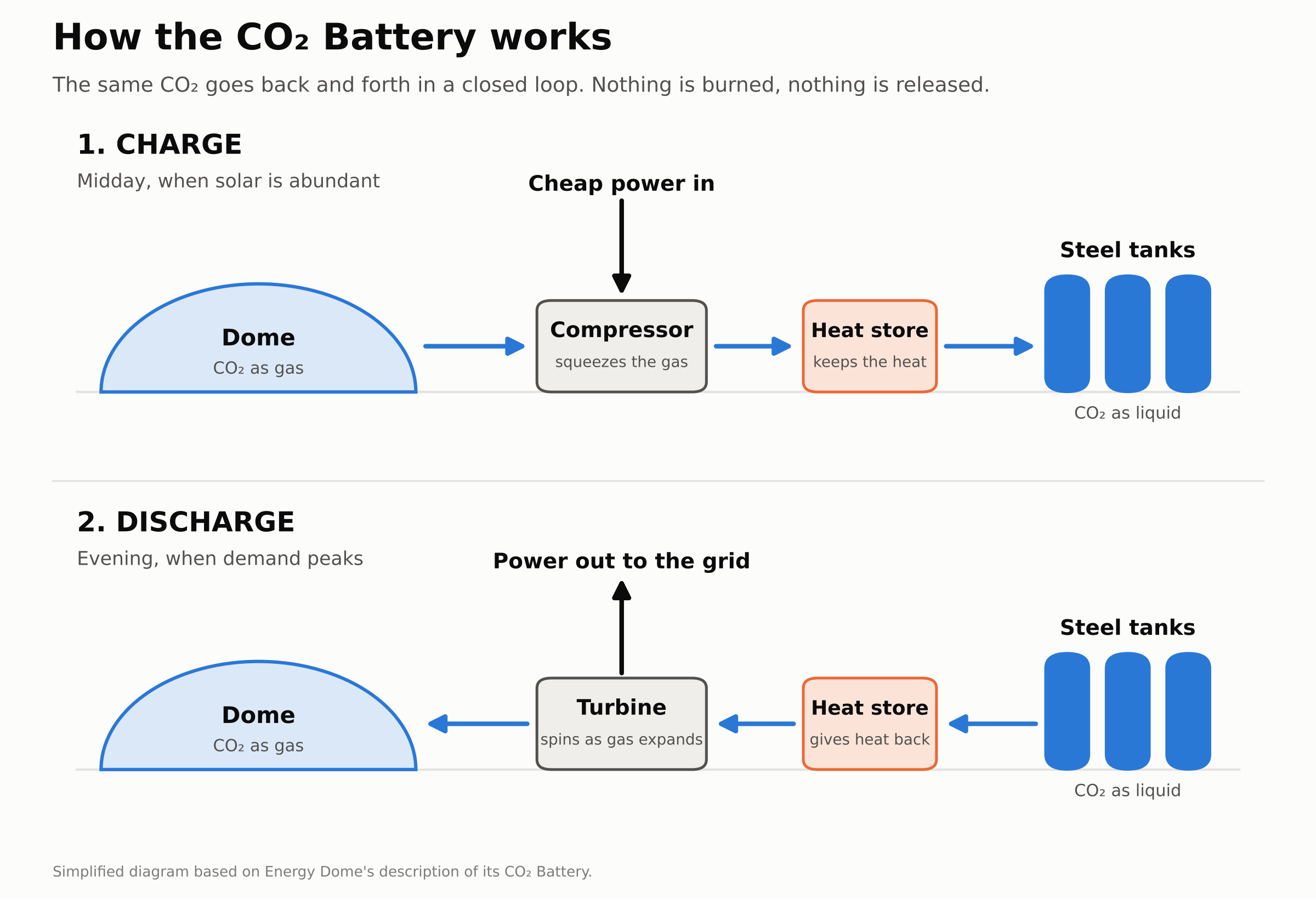
Closed loop: The same 2,000 tonnes of CO₂ go back and forth for decades. Nothing is burned and nothing is released.
Boring ingredients: Steel, water and CO₂. No lithium, no rare earths, and every component is off-the-shelf industrial equipment.
Built to last: According to the company, a plant runs for 30+ years with no degradation and returns more than 70% of the electricity it stores. They expect it to cost around 30% less than lithium-ion.
Fast to build: A standard plant fits on about 5 hectares of flat land and is grid-ready in under two years. The dome itself inflates in half a day.
Market 🌐
The world needs up to 8 TW of long-duration energy storage by 2040, an investment of around $4 trillion. To get there, deployment has to go 50 times faster.
Demand is driven by cheap solar and wind that need backup, and by data centers that want clean power at all hours.
Other Key Players
Form Energy 🇺🇸: Iron-air batteries that rust and un-rust to store power for 100 hours.
Antora 🇺🇸: Thermal batteries that store clean electricity as heat, mainly for heavy industry.
Hydrostor 🇨🇦: Stores energy as compressed air in underground caverns. Its 500 MW flagship in California started on-site work in July 2026.
Energy Dome needs no caverns and no mountains, just flat land. Its closest rival is in China, where Exa Energy just connected a CO₂ plant five times bigger. Energy Dome says it is defending its patents.
Founding Story 🦄
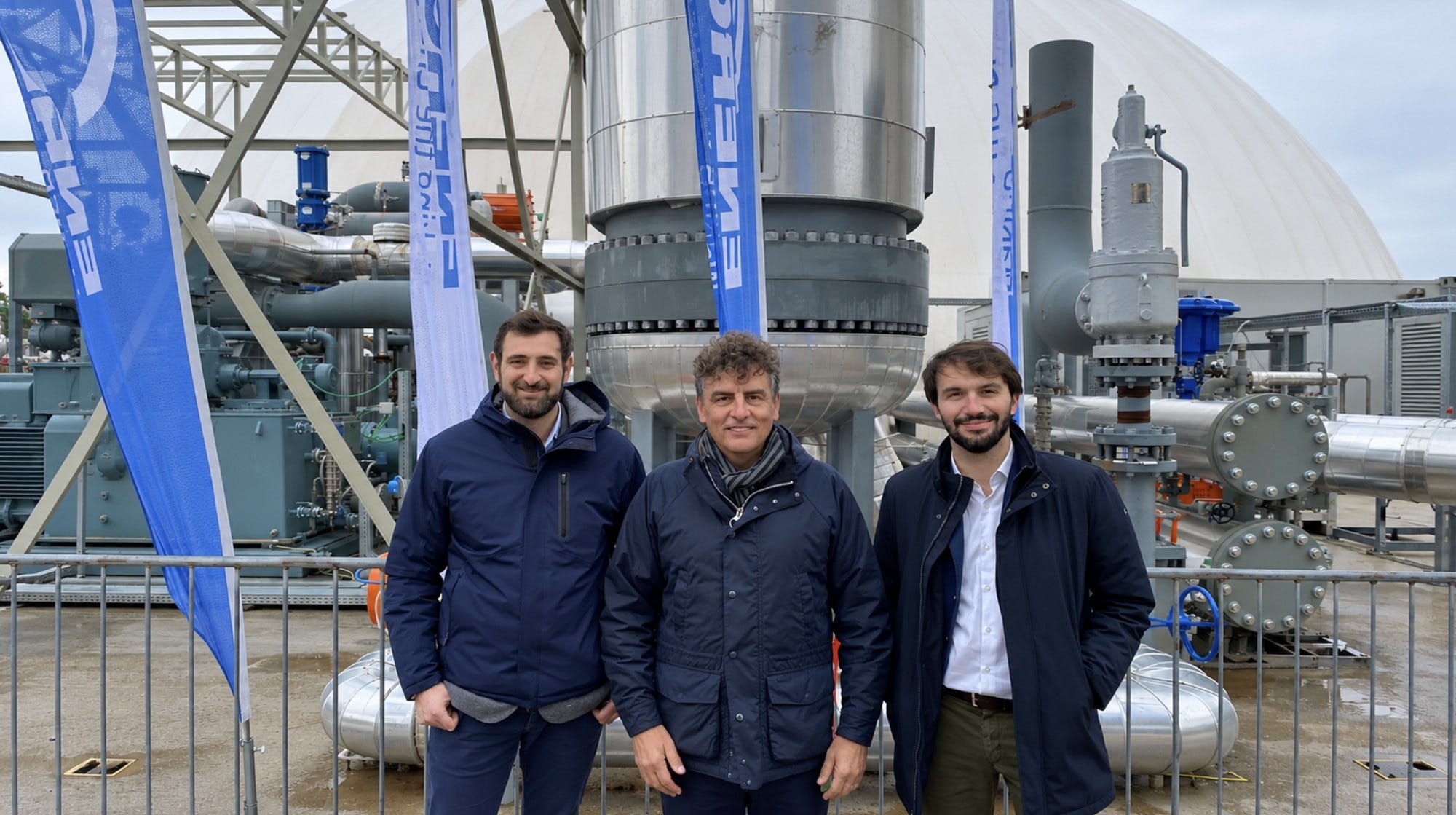
Energy Dome was founded in Milan in early 2020 by Claudio Spadacini, Dario Rizzi and Francesco Oppici, three engineers who had already worked together for over 15 years. Claudio had built biogas plants at Sebigas and geothermal turbines at Exergy. The idea for the CO₂ Battery came from combining both worlds.
They moved fast. A small demo plant in Sardinia was running by 2022, and the first full-scale one by July 2025. Along the way they raised over $80M from investors, plus around €75M in grants and loans from the EU and Bill Gates’ Breakthrough Energy.
In 2025 Google invested and became a customer. Plants are now underway in Ireland, Arizona, Wisconsin and India, and in October they opened a factory in Piacenza to build the domes.
Top Impact Stats 📈
1. 200 MWh per plant: enough to power around 18,000 homes for 10 hours.
2. 2,000 tonnes of CO₂ in a closed loop, with zero emissions during operation and no lithium or rare earths.
3. 30+ years of life with no degradation, at a cost the company expects to be around 30% below lithium-ion.
Whenever you’re ready, there are 2 ways I can help you:
Scale and optimize your business: Automation and AI implementation (Claude expertise) for companies so they can free up time to scale their revenues.
Give visibility to your climate company: Get your company in front of an audience of thousands of climate players and enthusiasts by sponsoring newsletter issues and LinkedIn posts.
Thanks for reading today’s issue! If you liked it feel free to hit the ❤️ button and share it with someone who might like it too. See you next Saturday:)