


Read time: 5 minutes
Hi, I’m Javi Gascón.
This is Climate Tech Distillery, a newsletter where I talk about one specific climate tech company every week.
Today we'll distill a company that's turning seaweed into plastic bags that break down in compost, named one of TIME's Best Inventions of 2025: Sway 🇺🇸

Want to sponsor Climate Tech Distillery? Here’s all the info.
What Problem Does Sway Tackle❓
They tackle the thinnest, most annoying piece of plastic in your life: the bag your new t-shirt arrives in.
1. Trillions of bags: Around 5 trillion plastic bags are used every year. Some 180 billion of them exist just to wrap clothing, shoes and accessories.
2. Nearly impossible to recycle: Thin film jams sorting machines, so most curbside programs refuse it. It ends up landfilled, burned or in the ocean.
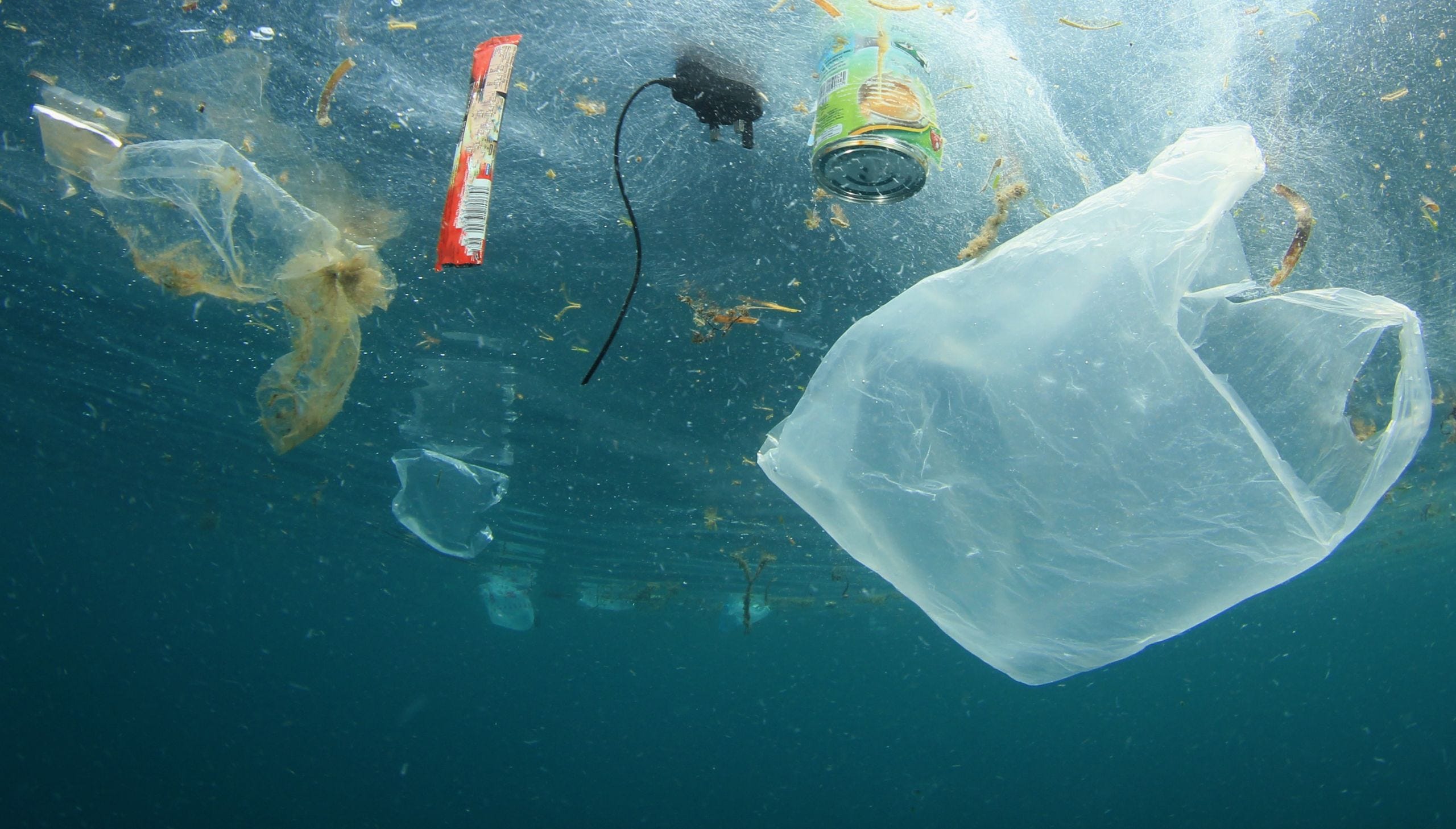
3. Built to last forever: A conventional plastic bag can take up to 800 years to break down, for a product used for a few days.
4. Green plastics fall short: Most bioplastics come from corn grown on farmland, and many only break down in industrial composters that most cities don't have. Corn also competes with food for land, water and fertilizer.
Product / Service 📦
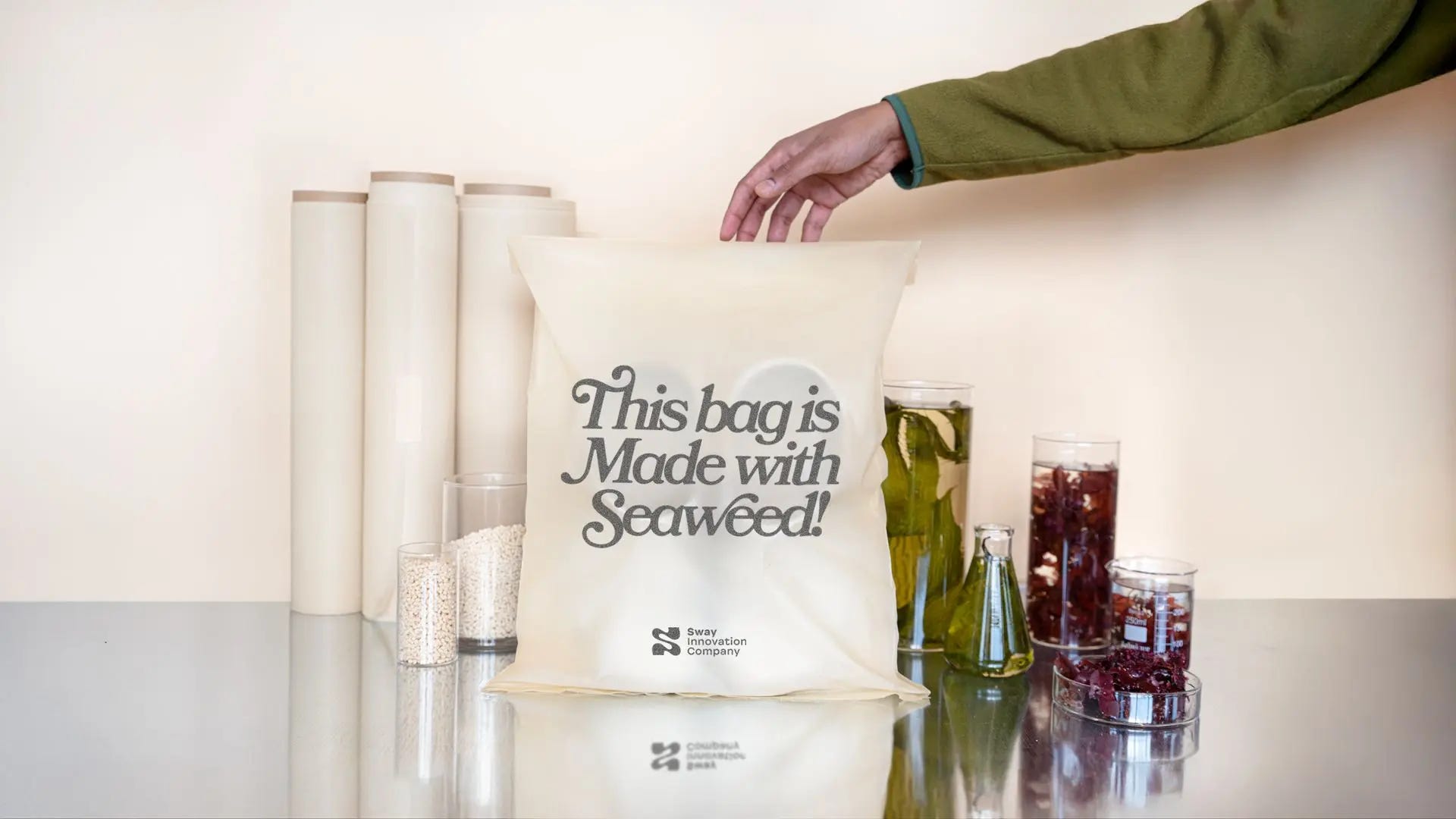
Sway makes TPSea, a seaweed-based resin, and turns it into polybags, shopping bags and film wraps for fashion and retail brands.
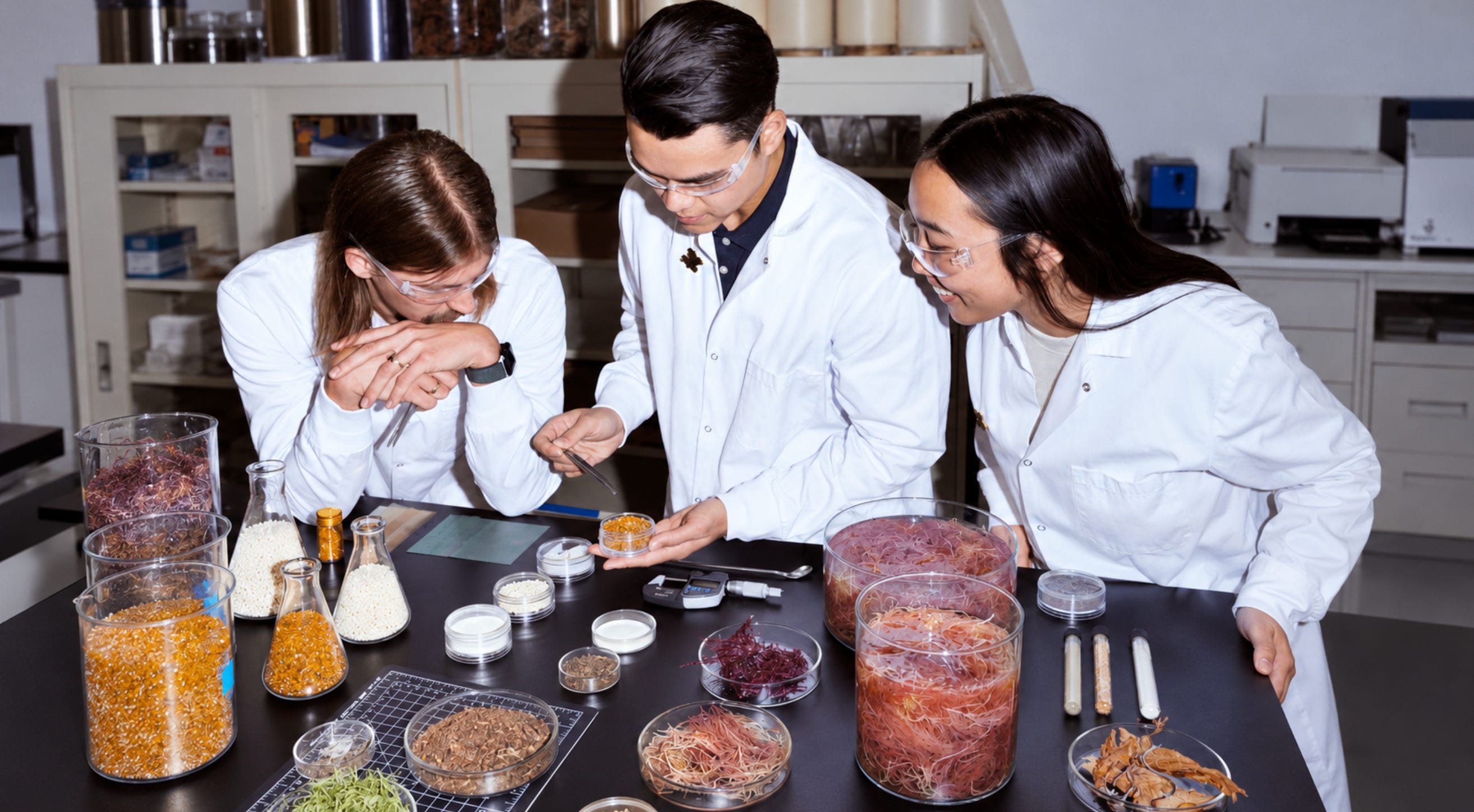
How it works: Seaweed is packed with natural polymers, the same gelling agents that thicken your ice cream. Sway blends them with plant-based inputs and compostable polymers into pellets that melt and stretch just like regular plastic.
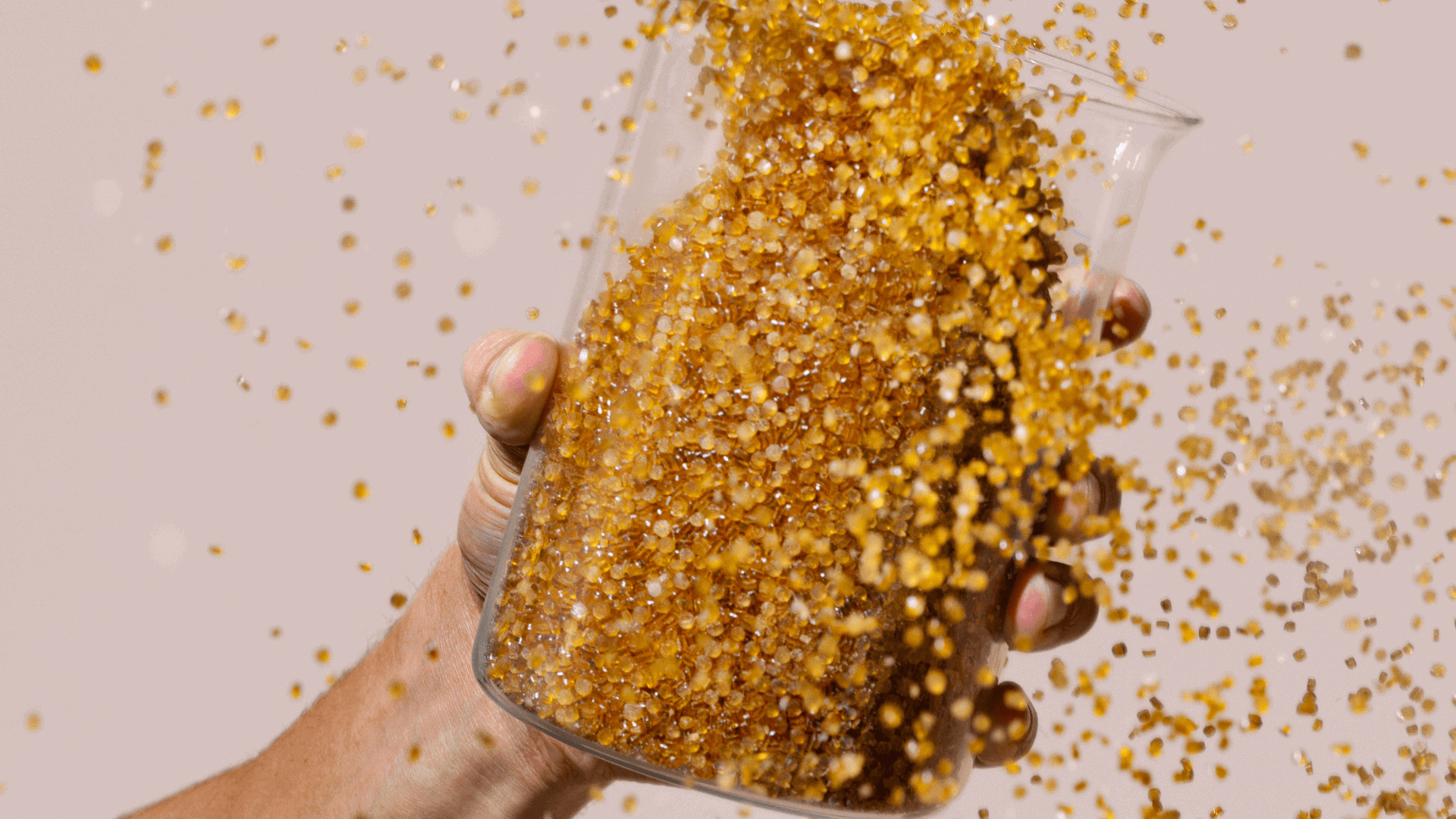
Drop-in: Because TPSea behaves like plastic, it runs on the blown-film machines factories already own. In 2025 Sway produced it at commercial scale on that equipment for the first time.
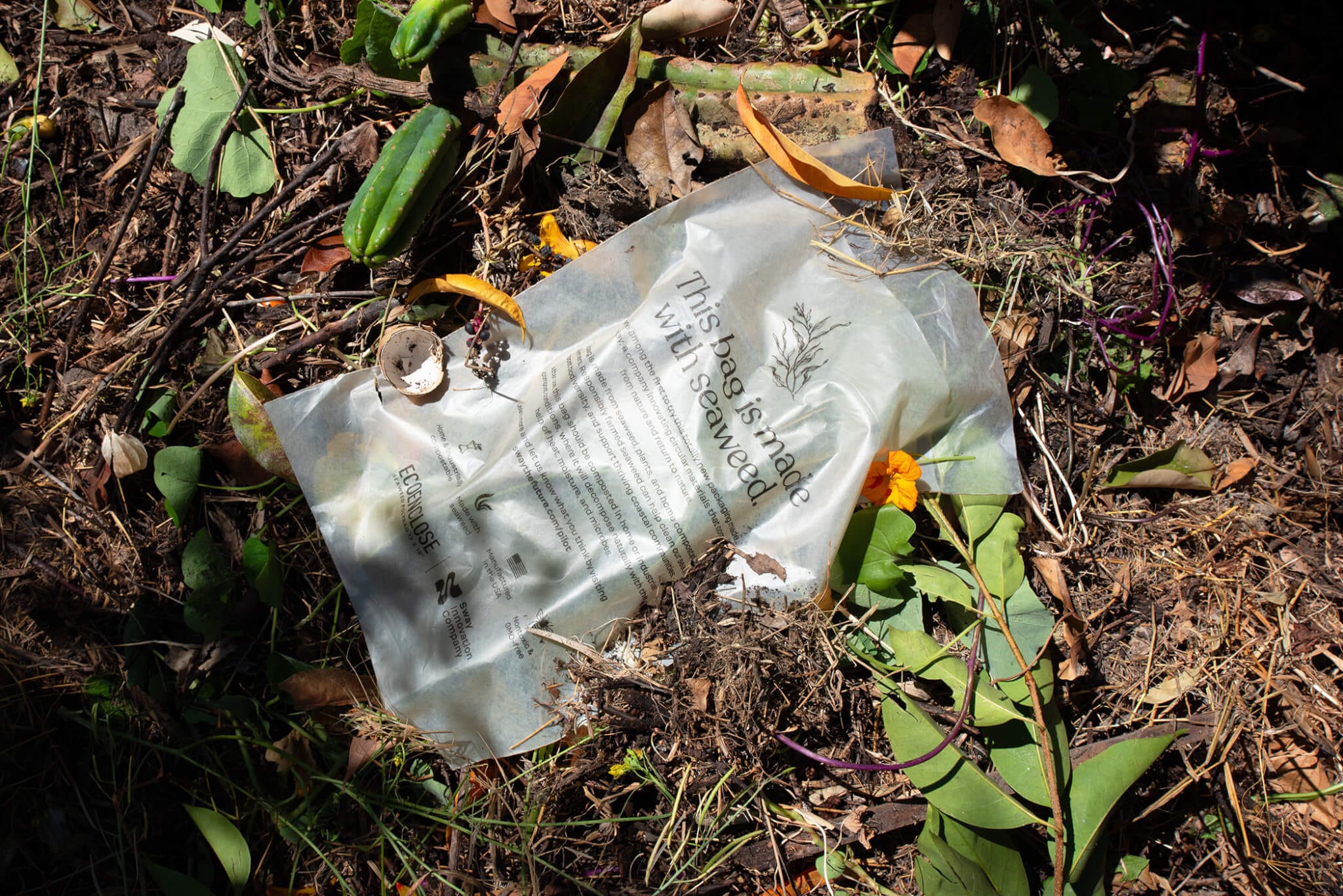
Back to the soil: Its materials are certified by TÜV Austria and break down in healthy compost within six months, often faster. Home compost certification for the newest versions is in progress.
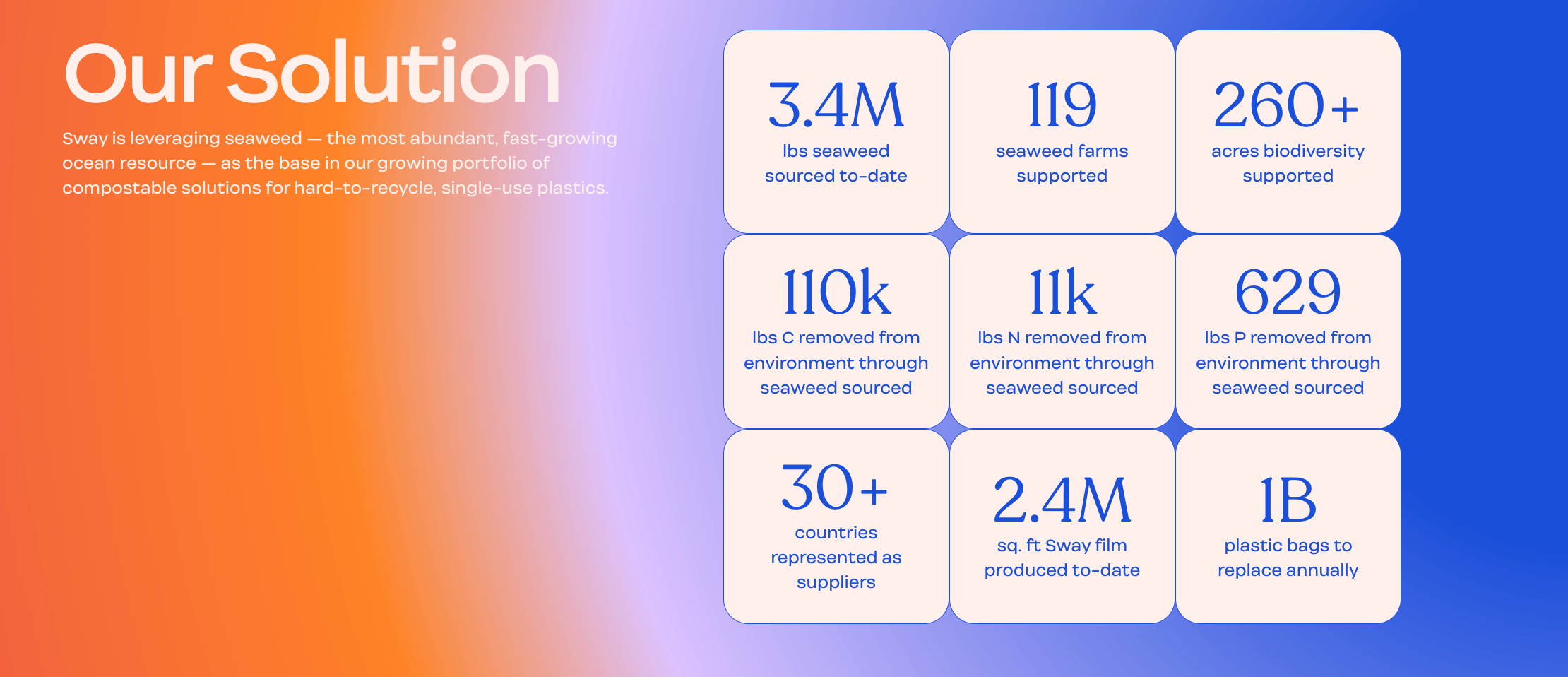
Regenerative feedstock: Seaweed needs no land, freshwater or fertilizer, and it soaks up nitrogen and phosphorus as it grows. Sway buys it from 119 farms in 30+ countries, from Indonesia to Chile and Madagascar, under a sourcing code that requires non-extractive harvesting and puts farmer welfare first.
Looks and works like plastic: The film is translucent, printable and heat-sealable, so brands keep their packing lines and labels. It also has a 12-month shelf life, long enough for a real supply chain.
Getting cheaper: In early 2026 Sway made its bags stronger and less expensive, with bigger volumes available.
Market 🌐
Flexible packaging is a $267 billion market, expected to reach around $354 billion by 2030. Plastic bags and films are its biggest and hardest-to-recycle slice.
Seaweed itself is booming: five of the eight finalists of the Tom Ford Plastic Innovation Prize used it as their base material. Demand is driven by plastic bag bans, extended producer responsibility laws, and fashion brands under pressure to clean up their e-commerce packaging.
Other Key Players
Notpla 🇬🇧: Seaweed coatings, sachets and edible capsules for food packaging.
Loliware 🇺🇸: Seaweed resin for straws and rigid single-use items.
Zerocircle 🇮🇳: Seaweed-based materials to replace plastic film, runner-up to Sway in the Tom Ford Plastic Innovation Prize.
Sway is the one focused on thin film that runs on existing plastic machinery, the hardest piece of packaging to replace.
Founding Story 🦄
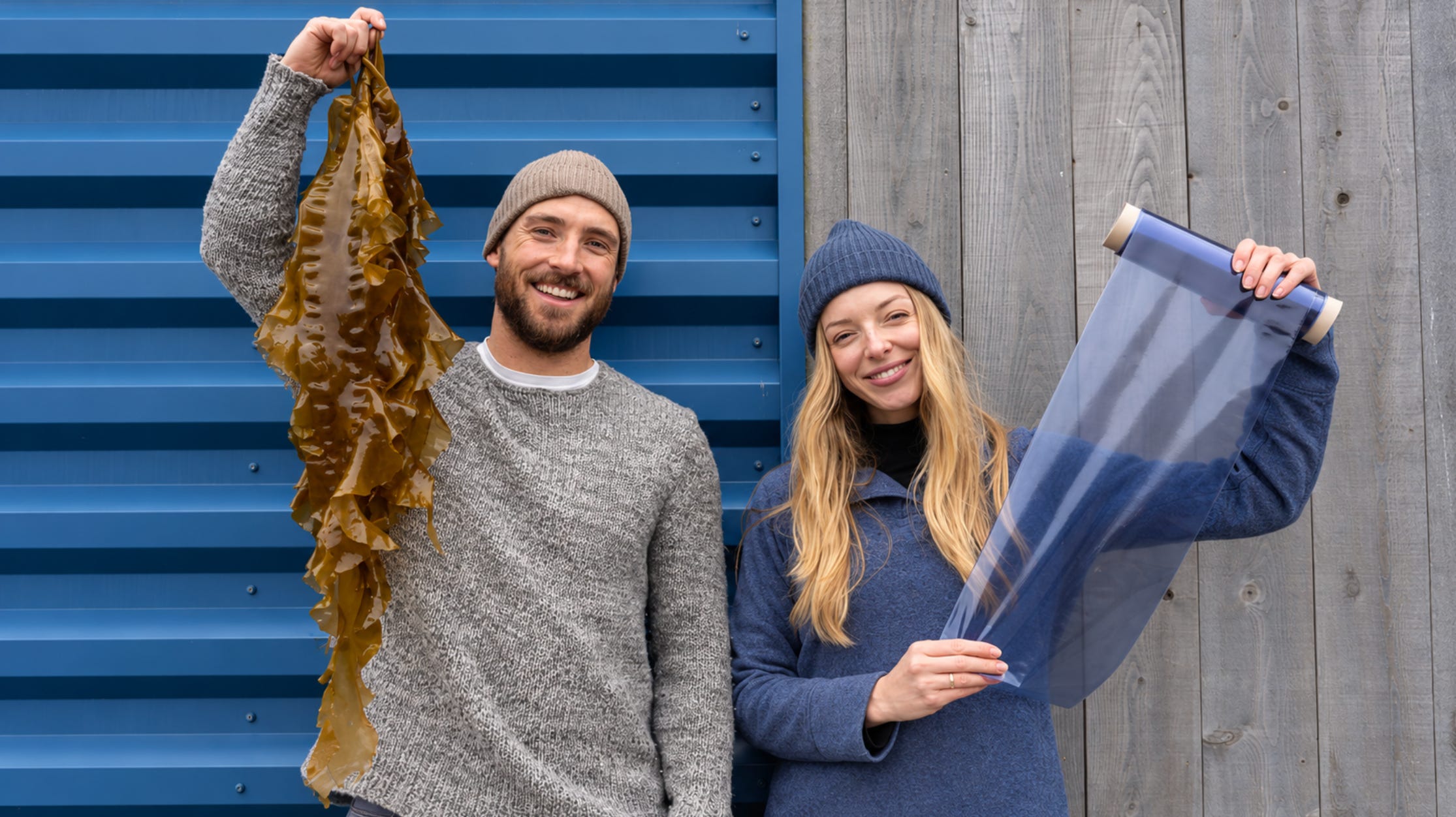
Sway started as a graduate thesis. Julia Marsh spent a decade as a brand and packaging designer, a job that clashed with her being an environmentalist. At New York's School of Visual Arts she named her final project Sway, after the way seaweed moves in the ocean. A chance encounter with a seaweed farmer in Indonesia sparked the idea, and the first prototypes were cooked up in a garage with seaweed ordered online.
In 2020 she founded the company in California with her partner Matt Mayes, a sustainable development practitioner who runs operations, and Leland Maschmeyer, a veteran brand designer. In 2023 Sway took first place in the Tom Ford Plastic Innovation Prize, and in 2025 TIME named TPSea Flex one of the Best Inventions of the year.
Today Sway has raised around $14M in venture funding, grants and awards, and brands like J.Crew, Burton and Faherty ship in its bags.
Top Impact Stats 📈
1. 3.4 million pounds of seaweed sourced from 119 farms in 30+ countries.
2. Around 110,000 pounds of carbon removed through the seaweed it sources.
3. Goal of replacing 1 billion plastic bags every year.
Whenever you’re ready, there are 2 ways I can help you:
Scale and optimize your business: Automation and AI implementation (Claude expertise) for companies so they can free up time to scale their revenues.
Give visibility to your climate company: Get your company in front of an audience of thousands of climate players and enthusiasts by sponsoring newsletter issues and LinkedIn posts.
Thanks for reading today’s issue! If you liked it feel free to hit the ❤️ button and share it with someone who might like it too. See you next Saturday:)