


Read time: 5 minutes
Hi, I’m Javi Gascón.
This is Climate Tech Distillery, a newsletter where I talk about one specific climate tech company every week.
Today we'll distill a company that's turning fast-growing grass into carbon-negative building panels that America's largest homebuilder is already using in its houses: Plantd 🇺🇸
Want to sponsor Climate Tech Distillery? Here’s all the info.
What Problem Does Plantd Tackle❓
They tackle the carbon footprint of the most boring part of a house: the panels that wrap the frame.
1. Building materials: Buildings and construction are the largest source of greenhouse gas emissions globally. Most of the progress so far has come from heating, cooling and lighting. Decarbonizing the materials themselves is the hard part that's still pending.
2. The wood impact: The walls, roof and floor of a typical US home are sheathed with OSB (oriented strand board), a panel made from compressed wood strands. A single mid-size OSB mill needs 140,000-150,000 acres of managed timberland to feed it, and a tree takes 20-40 years to grow back.
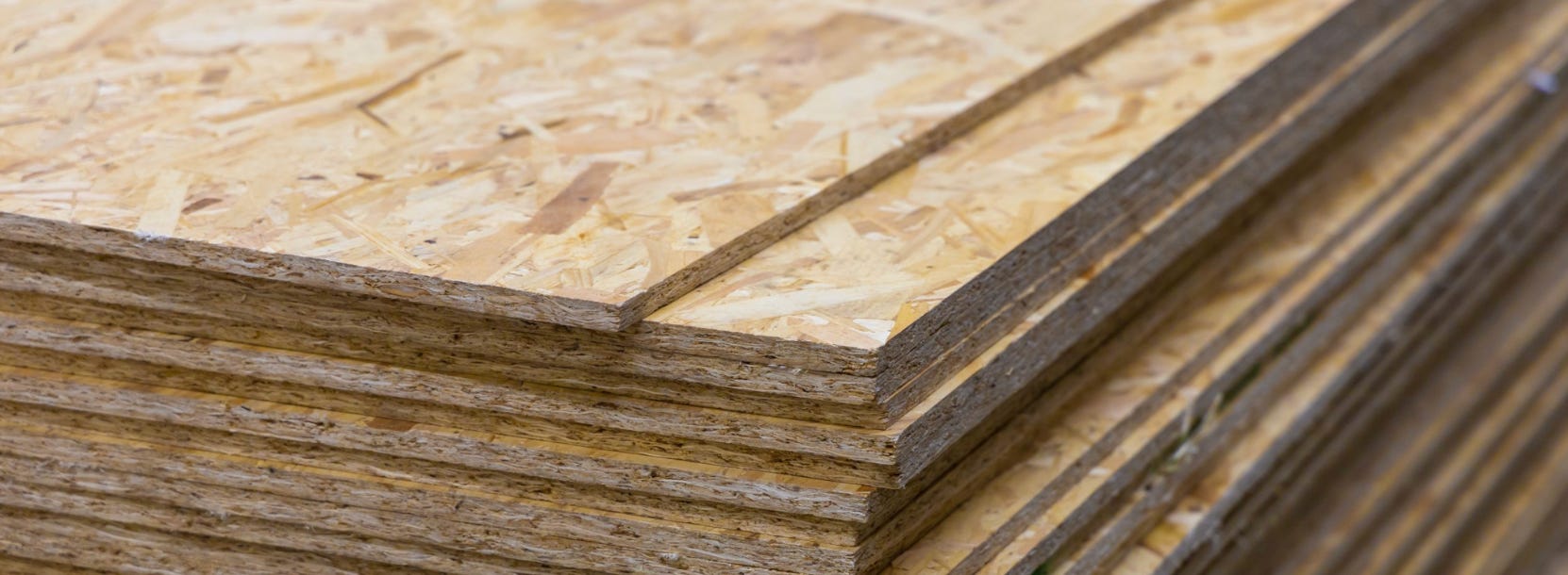
3. Volatile supply chain: Lumber prices more than tripled in 2021, and wildfires, pests and tariffs keep swinging them. Builders have no way to lock in a stable price for the panels they buy by the millions.
4. OSB hates water: Standard OSB swells and warps when it gets wet on a job site, which happens constantly. That means waste, delays and replacements.
Product / Service 📦
Plantd makes structural building panels from a proprietary fast-growing perennial grass instead of trees. The grass grows year-round into 20-foot stalks that look like sugarcane, and it can be mowed and harvested several times a year on the same land.
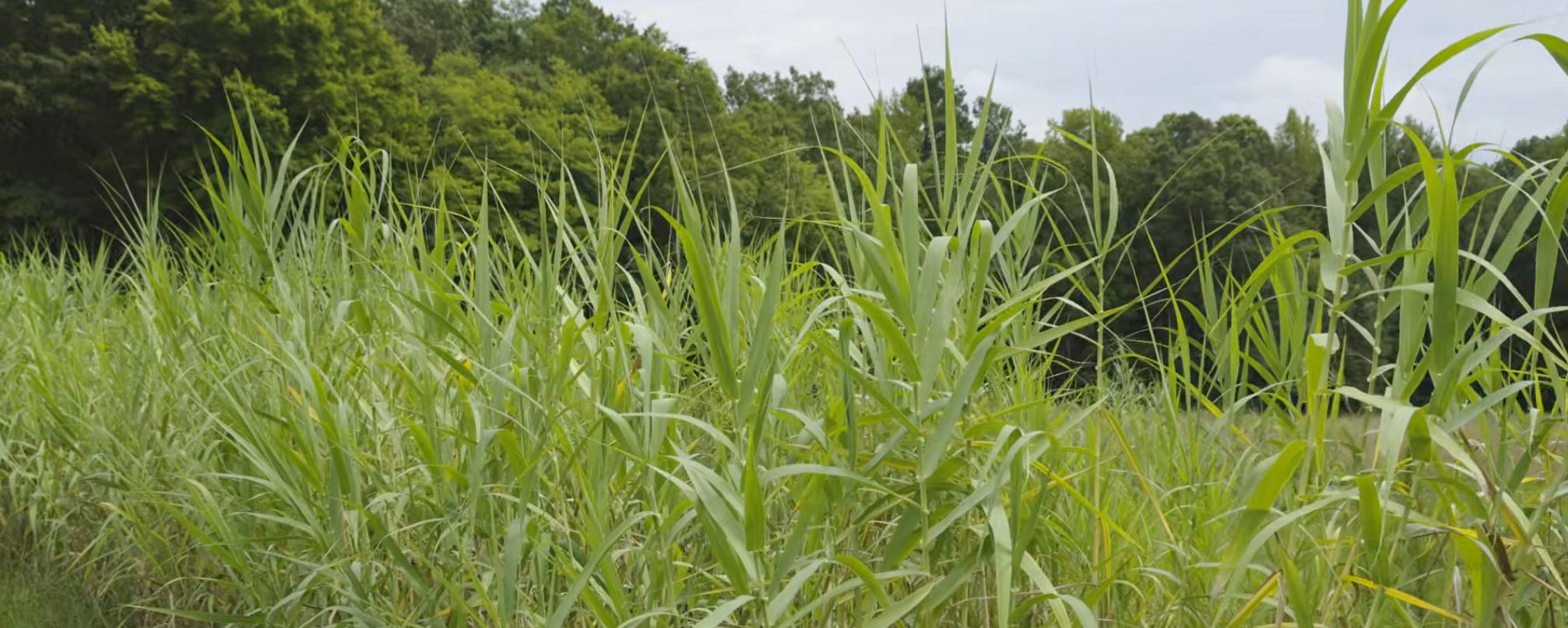
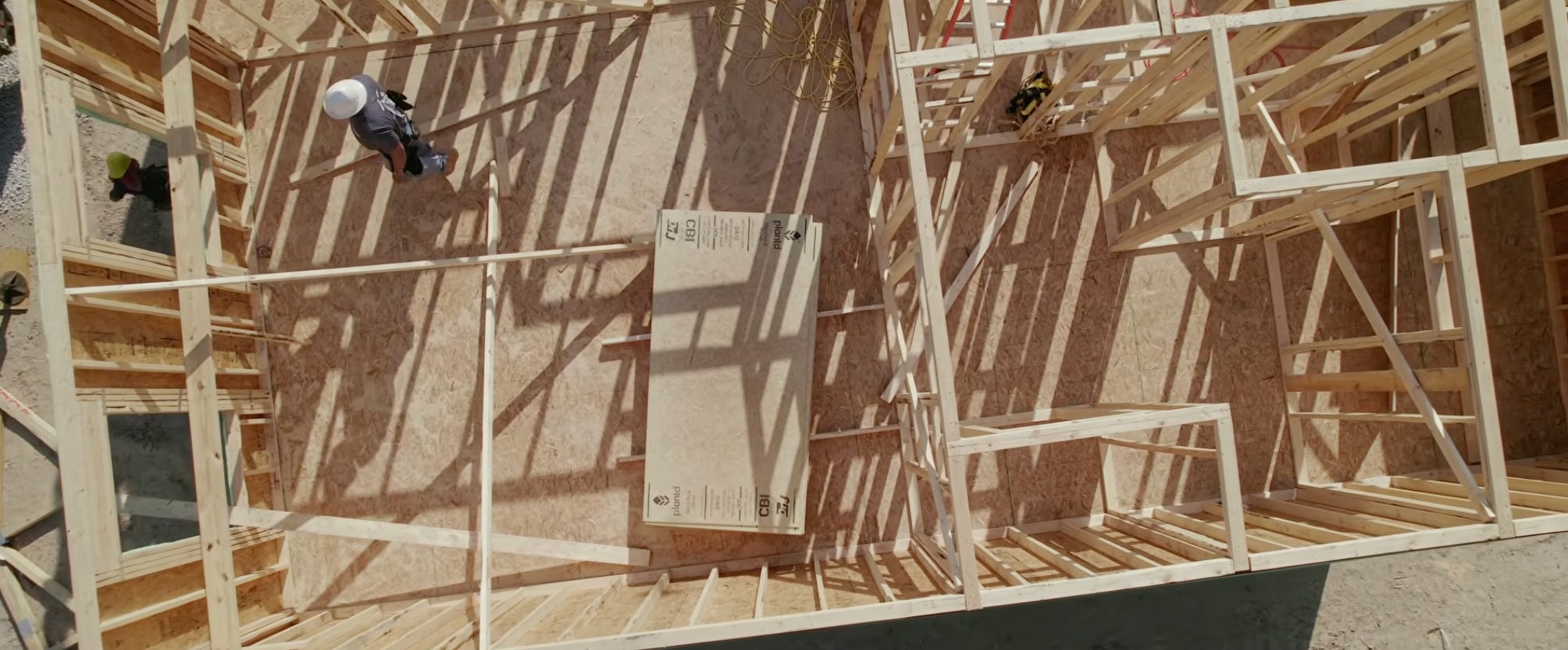
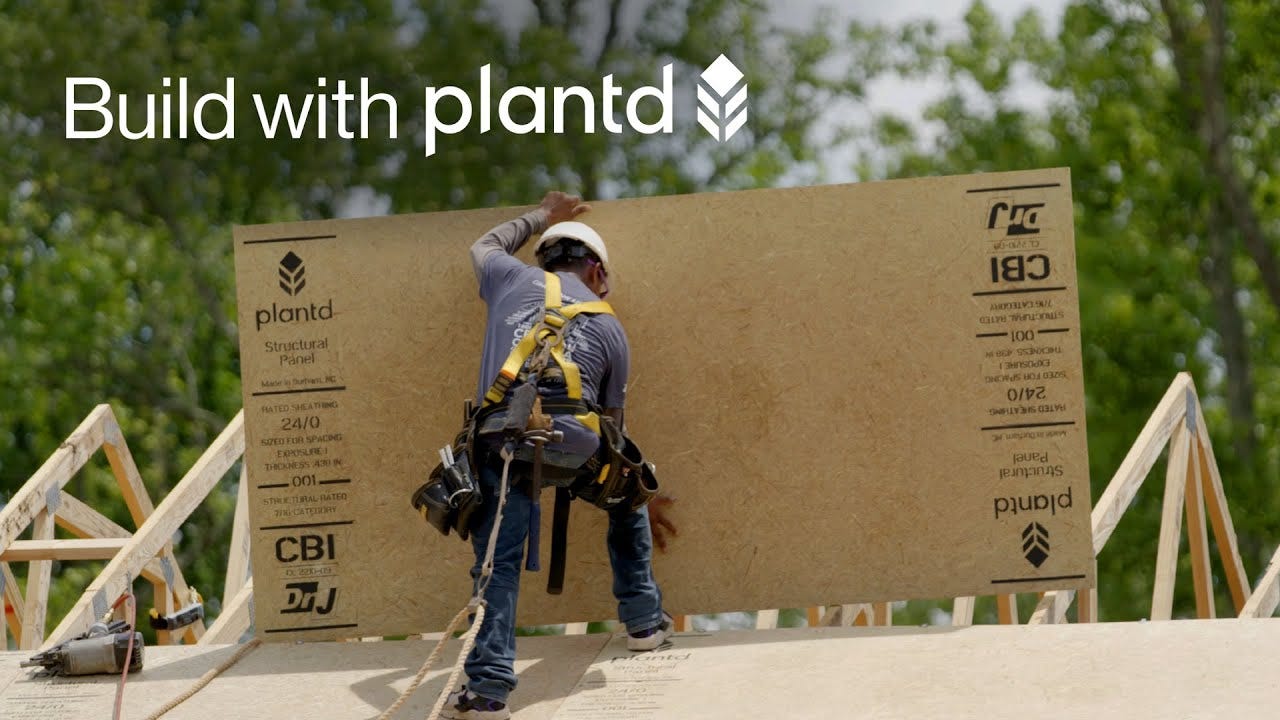
Drop-in replacement: The panels come in the standard 4x8 ft format, weigh the same as OSB, look the same and take nails and screws the same way. No new training for builders. That's exactly what won D.R. Horton (America’s largest homebuilder) over.
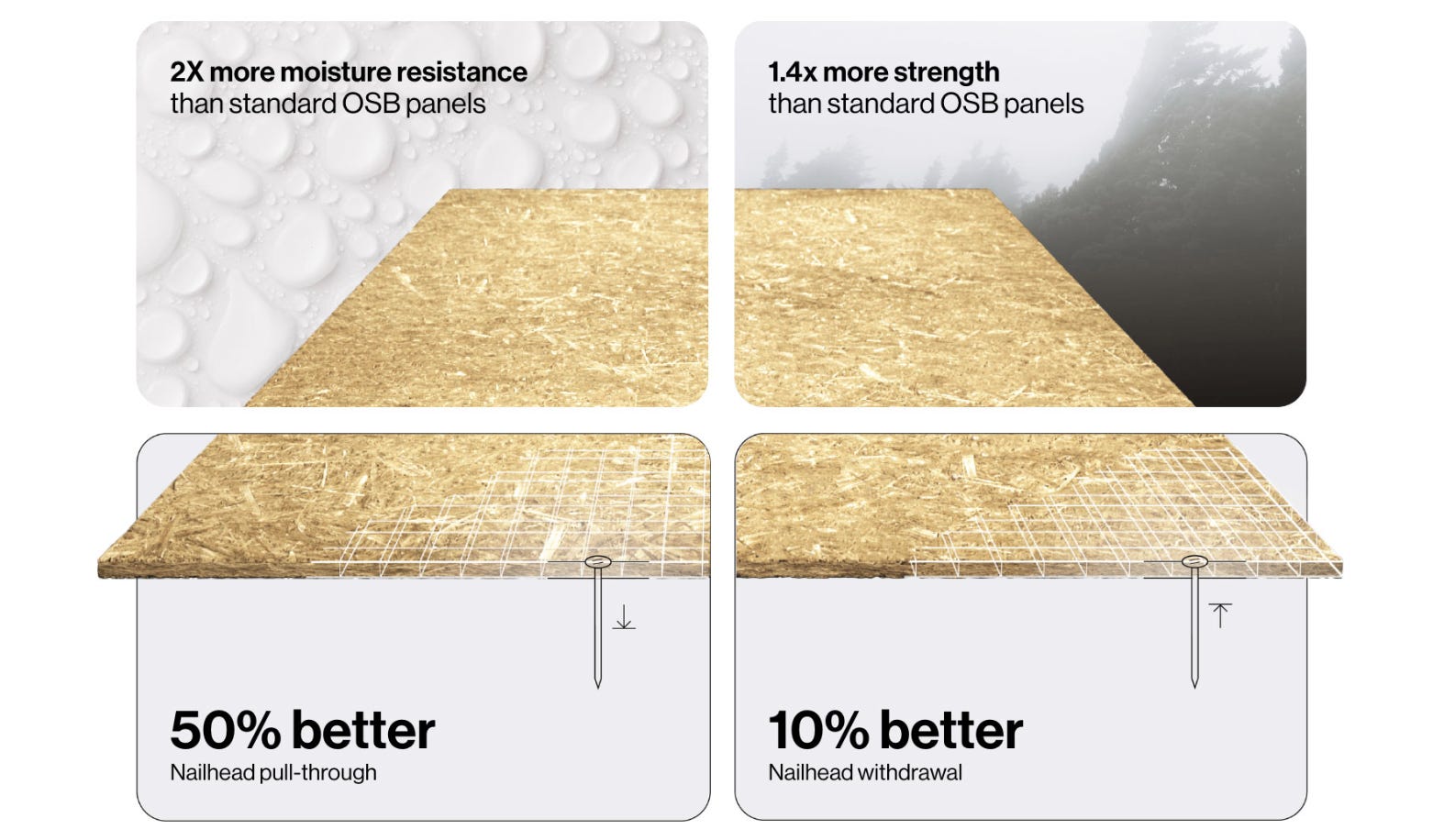
Performance: The panels are 1.4x stronger and 2x more moisture-resistant than standard OSB. They hold their strength when soaked and warp less, which builders love on chaotic job sites.
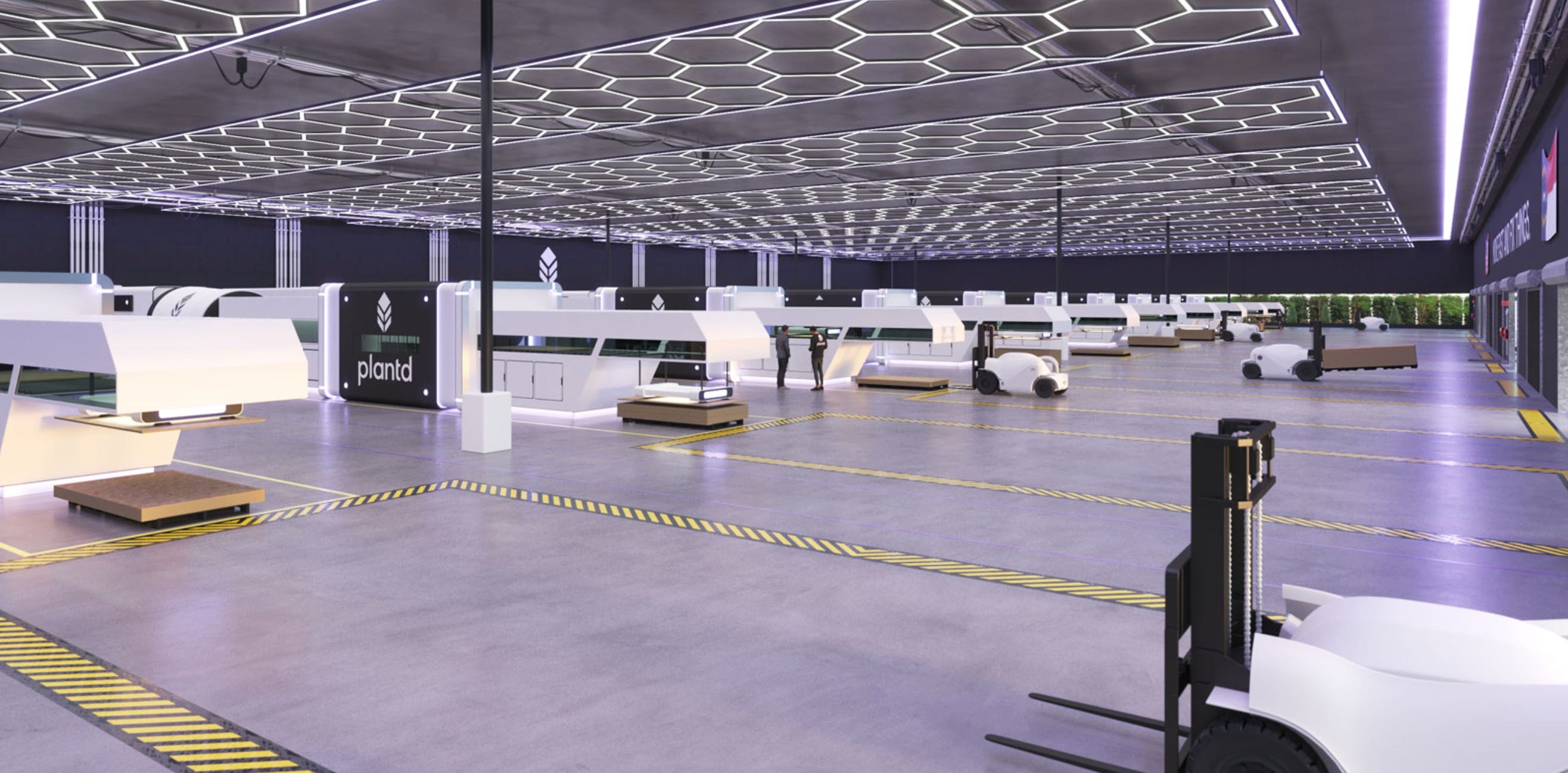
Carbon-negative: The grass captures CO₂ much faster than trees, and since each panel takes about 50 pounds of grass, that carbon gets locked for the life of the building. Manufacturing runs on a fully automated, all-electric platform they designed in-house.
10x less land: A grass-fed mill can run on 15,000-20,000 acres instead of 140,000-150,000 acres of timberland, because the same field regrows every few months.
Zero waste: They just launched a biochar line made from the byproduct of panel production, sold to farmers as a soil amendment. Next step is capturing the energy from that process to power the factory.
Market 🌐
The global OSB market was valued at around $19.5 billion in 2025 and is projected to reach $32.6 billion by 2035. Zoom out to all engineered wood products and you're looking at a market close to $300 billion a year.
Demand is driven by housing shortages in North America, green building codes that reward low-carbon materials, and builders looking for a way out of lumber price volatility.
Other Key Players
Rizome 🇺🇸: Makes engineered bamboo lumber as an alternative to traditional wood, with high strength and fire resistance.
BamCore 🇺🇸: Builds prefabricated hollow wall panels from bamboo and eucalyptus that replace conventional wood framing.
Woodoo 🇫🇷: I covered them in issue #71. They transform low-grade wood into a super material that's 7x stronger than concrete.
Plantd is the only one growing its own feedstock and selling a true drop-in replacement for OSB that requires zero changes from the builder.
Founding Story 🦄

Plantd was founded in 2021 in North Carolina by Nathan Silvernail, Huade Tan and Josh Dorfman. Nathan and Huade spent years at SpaceX building the life support systems that keep astronauts alive on the Dragon spacecraft. Nathan left because, in his words, they were not "solving a really large problem for humanity, for the Earth."
Josh was running a sustainable furniture company and fed up with the unreliable supply of certified wood. They joined forces to apply SpaceX-style first principles to the lumber industry.
They picked North Carolina because it was the state most willing to let them grow their grass, and found partners in local tobacco farmers who had lost money pivoting to hemp.
Since then they've raised $47.5M (a $22M Series B in late 2025, with building materials giant Amrize as investor), planted 400 acres of grass, and signed a multiyear deal with D.R. Horton, the largest homebuilder in the US, for 10 million panels. A full housing development built with Plantd materials is already underway.
Top Impact Stats 📈
1. Each house built with Plantd panels saves 17 trees and locks away 8 tonnes of CO2.
2. 10x less land than timber: 15,000-20,000 acres per mill instead of 140,000-150,000.
3. Grass harvested several times a year vs. 20-40 years to regrow a tree.
Whenever you’re ready, there are 2 ways I can help you:
Scale and optimize your business: Automation and AI implementation (Claude expertise) for companies so they can free up time to scale their revenues.
Give visibility to your climate company: Get your company in front of an audience of thousands of climate players and enthusiasts by sponsoring newsletter issues and LinkedIn posts.
Thanks for reading today’s issue! If you liked it feel free to hit the ❤️ button and share it with someone who might like it too. See you next Saturday:)
This is great. I hope more construction sites will be using this approach.