This is Climate Tech Distillery, a newsletter where I talk about one specific climate tech company every week.
Subscribe for free to receive my weekly articles in your inbox.
Today we'll distill a company using AI-designed enzymes to break down nylon, and rebuild it into virgin-quality material: Epoch Biodesign 🇬🇧
This issue is sponsored by:
You’re a strong marketer, but ghostwriting your CEO’s LinkedIn was never your specialty, and somehow it’s your job now. Roman does exactly this for climate tech founders and turned his whole methodology into a self-paced course.
They deal with nylon 6,6, the tougher of the two nylons, the plastic in your airbag, your car and your leggings that has never had a recycling route. It's a big deal:
1. Unrecyclable polymer: Nylon 6,6's molecular structure defeats the mechanical and chemical recycling methods that work on simpler plastics. The chemistry that makes it strong is what stops you taking it apart.
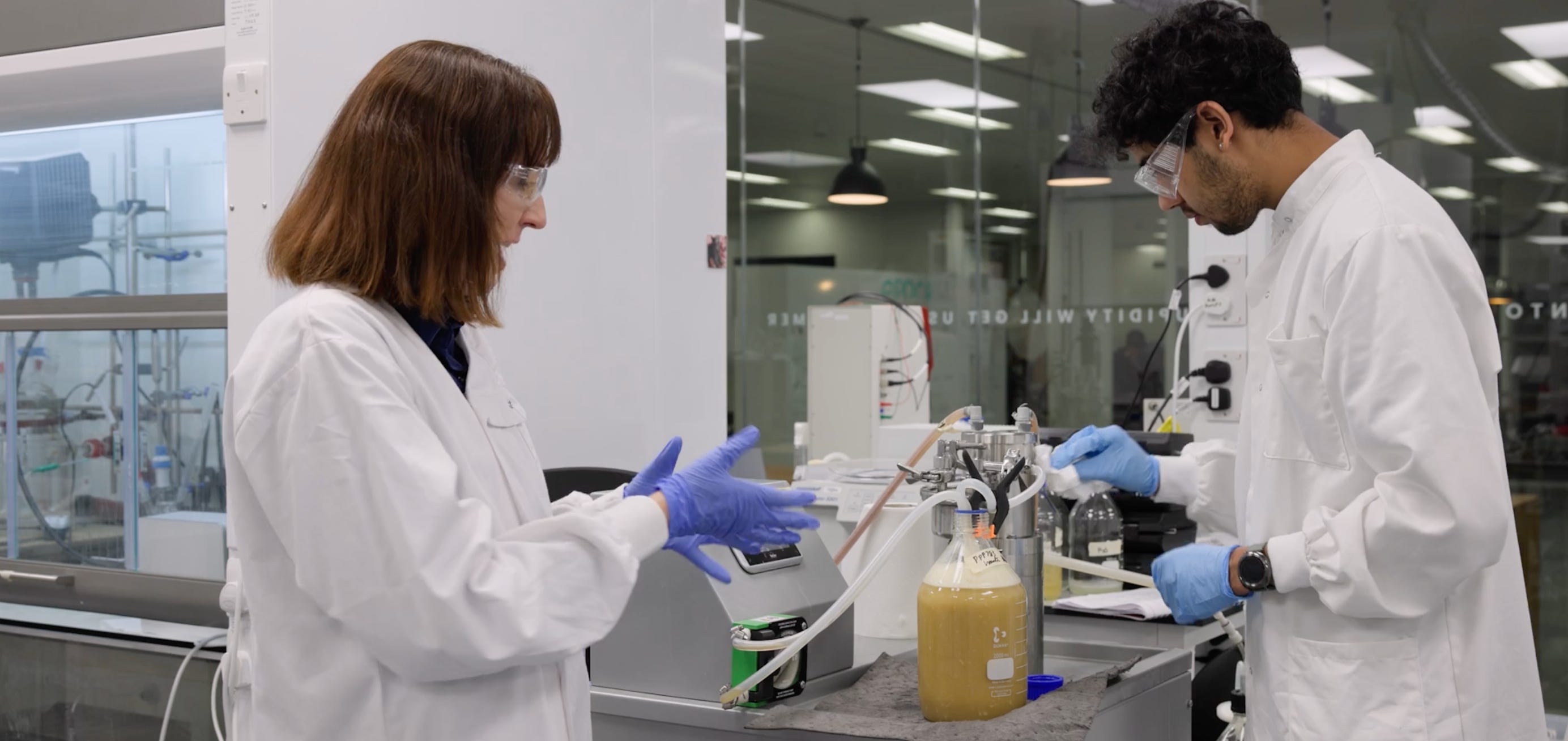
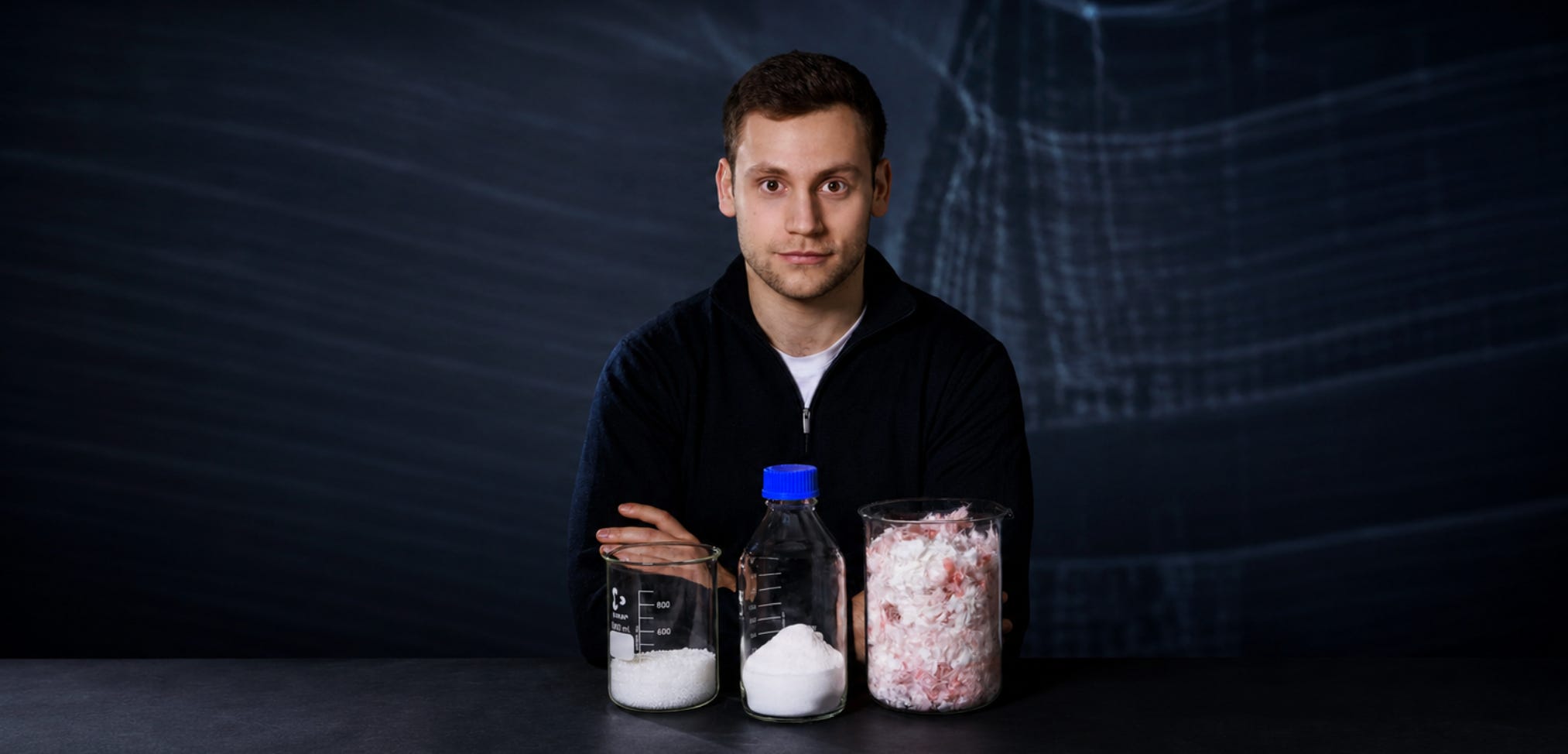
Epoch scientists decomposing nylon
2. A super pollutant: Making it starts with adipic acid, one of the largest sources of nitrous oxide on the planet. An average passenger car carries roughly 976 kg CO2eq of embodied N2O, and 99% of it comes from making that nylon.
3. Blends everywhere: The vast majority of discarded textiles are blended. A garment that is 60% nylon and 40% elastane is unrecyclable through standard channels.
4. Everywhere at once: Automotive eats about 65% of all nylon 6,6, across airbags, seatbelts, cooling systems and engine components. The rest is spread across electronics, apparel and industrial gear, so there is no single waste stream to go after.
Product / Service 📦
They design enzymes that take nylon apart without wrecking it. Here’s the trick:
Designed enzymes: Nature never evolved the ability to break down most plastics, so they combine physics-based modeling and generative AI to build enzymes that can.
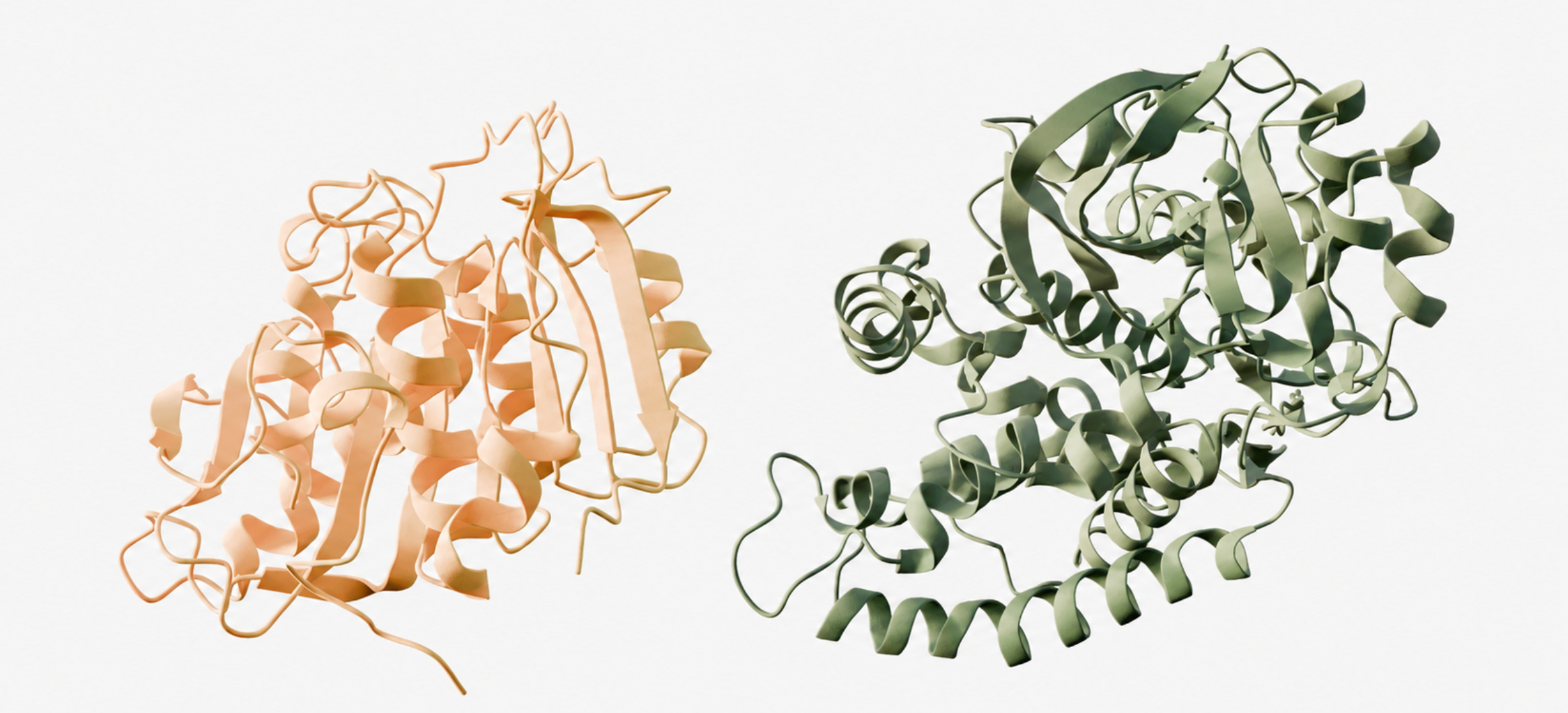
Enzymes they designed
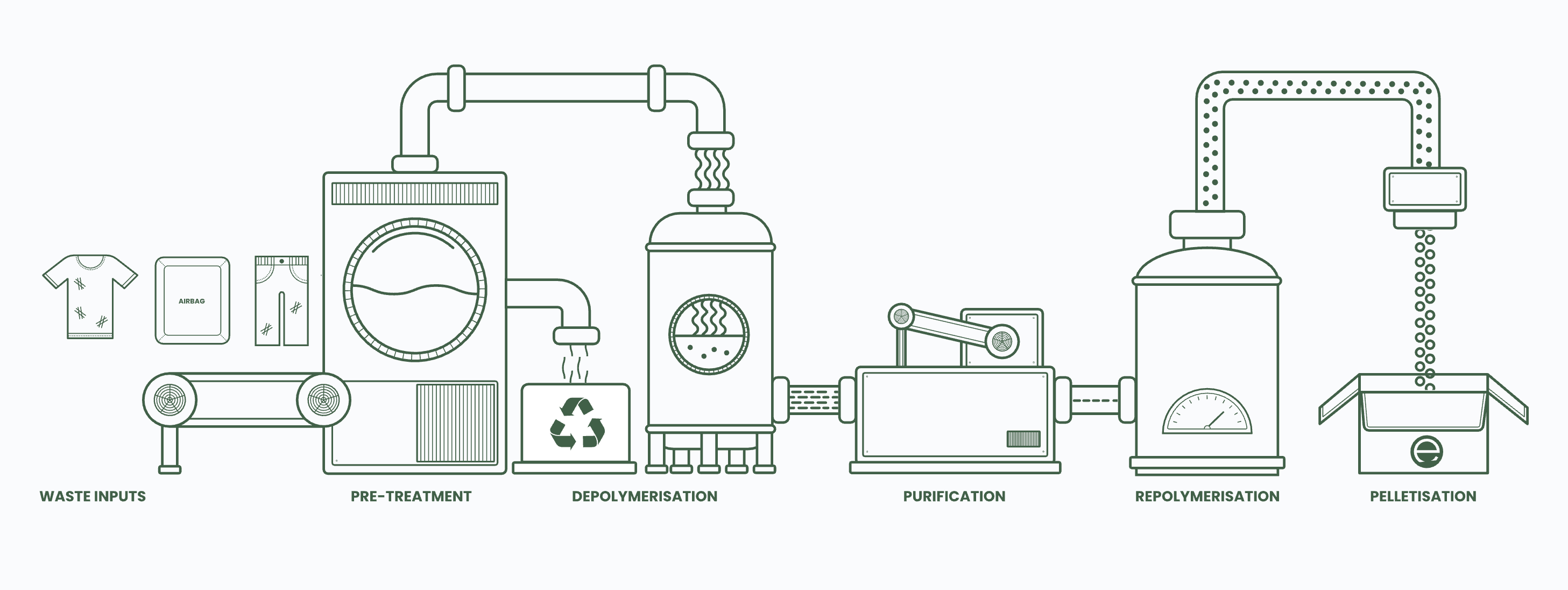
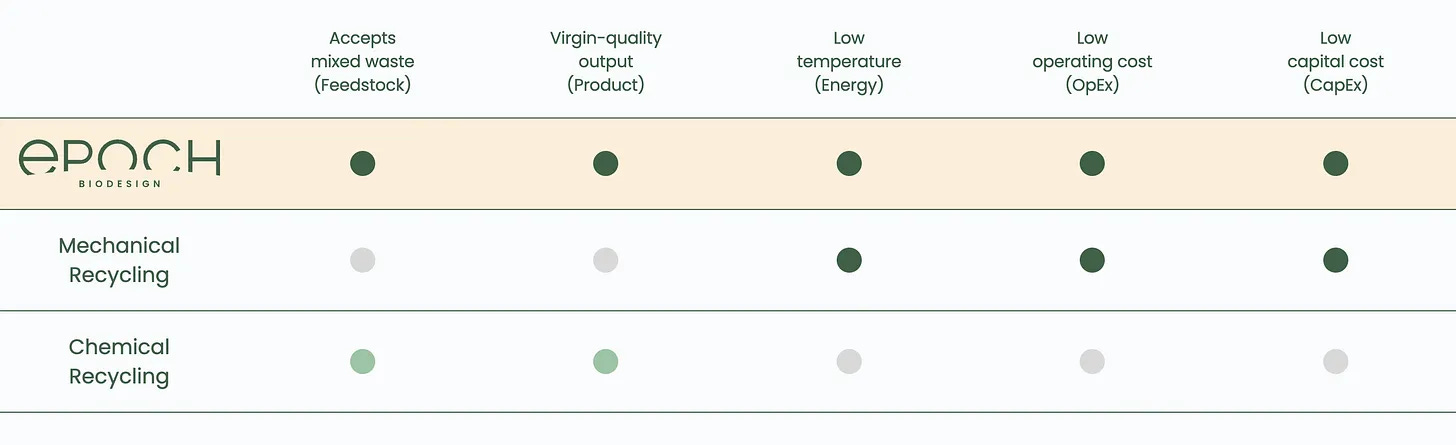
Room temperature: The process runs at low temperatures and atmospheric pressure, with no toxic catalysts or solvents. Those enzymes replace chemistry that would otherwise need hundreds of degrees.
Messy inputs: It handles silicon-coated airbag fabric, elastane-blended textiles and post-consumer clothing. Nothing gets pre-sorted, and the chemistry gets separated at molecular level instead.
Virgin output: Waste comes back as adipic acid and HMDA, the original building blocks. Purified and repolymerized, it drops into the existing supply chain without compromising performance.
Price parity: The process is designed to be cost competitive, matching the price of fossil-based materials. That's the part that decides whether any of this scales.
Market 🌐
Nylon comes in two flavors. Roughly two thirds of the volume is nylon 6, which has been recycled since 2011. Nylon 6,6 is the rest, 2.3 million tonnes of demand in 2024, and nobody could recycle any of it.
That is starting to change. The EU’s revised Waste Framework Directive entered force in October 2025, making producer responsibility schemes mandatory for textiles. Consumers say they will pay about 10% more for recycled materials. Brands are not waiting to find out, and are funding the technology directly.
Other Key Players
Samsara Eco 🇦🇺: Opened its first enzymatic nylon 6,6 and polyester plant in New South Wales in September 2025. The closest direct competitor.
Aquafil 🇮🇹: Has recycled nylon 6 fishing nets and carpets into ECONYL since 2011, used by Prada, Speedo and Burberry.
Epoch went at nylon 6,6 and partnered with the incumbent instead of routing around it, signing a deal with INVISTA, one of the world's largest nylon 6,6 producers.
Founding Story 🦄
Epoch Biodesign was founded in 2019 by Jacob Nathan in London. Nathan was 18 and in his final year of high school, and he dropped his place at the University of Chicago to build the company.
He had been skipping classes to protest for climate targets, but the political process left something to be desired. So he started a research project during his lunch breaks, looking for microbes that could break down plastic waste.
The first outside money came in 2022, a seed round including Lowercarbon Capital. In March 2025 they raised a €17 million Series A, alongside a joint development agreement with Inditex, and built a first facility for 150 tonnes of waste a year.
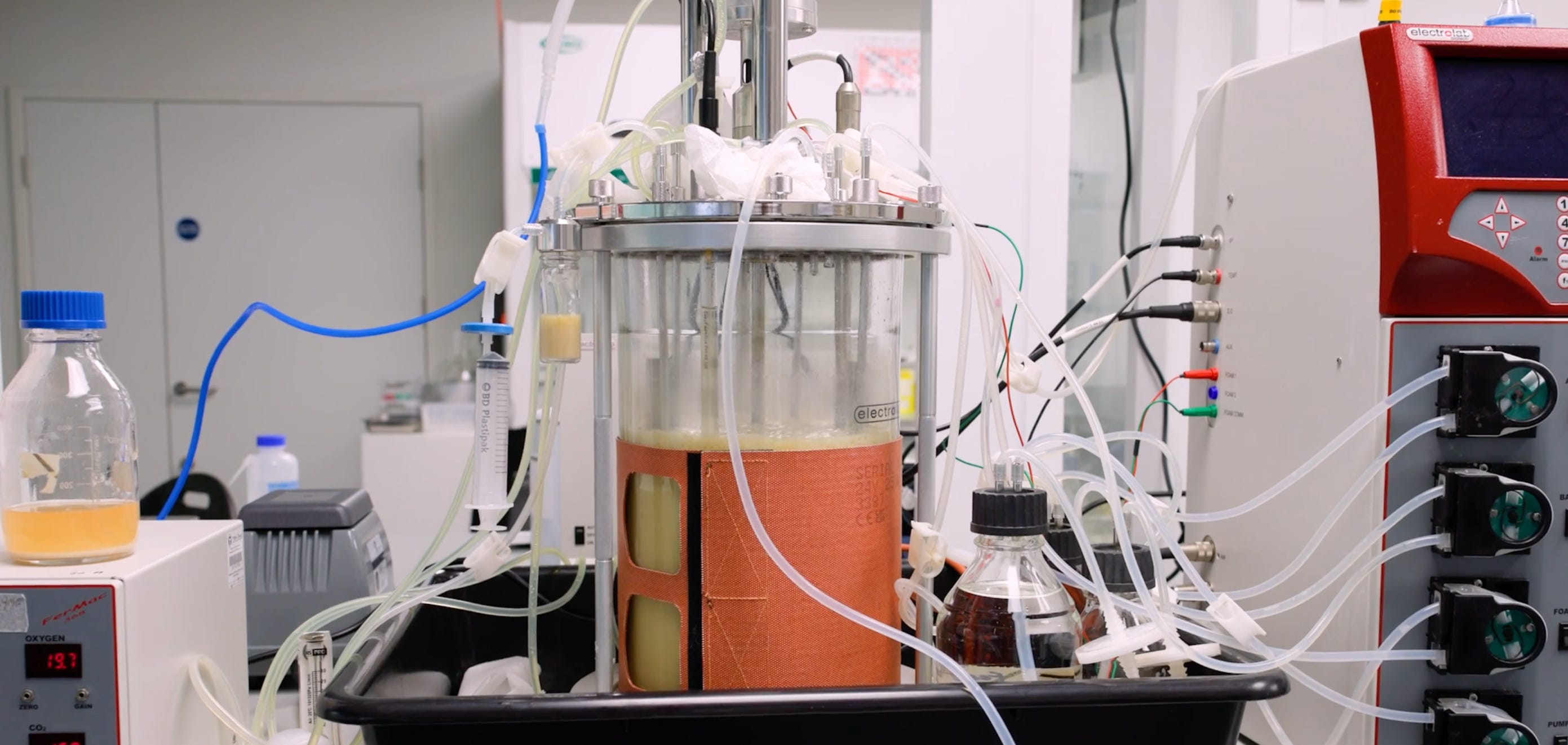
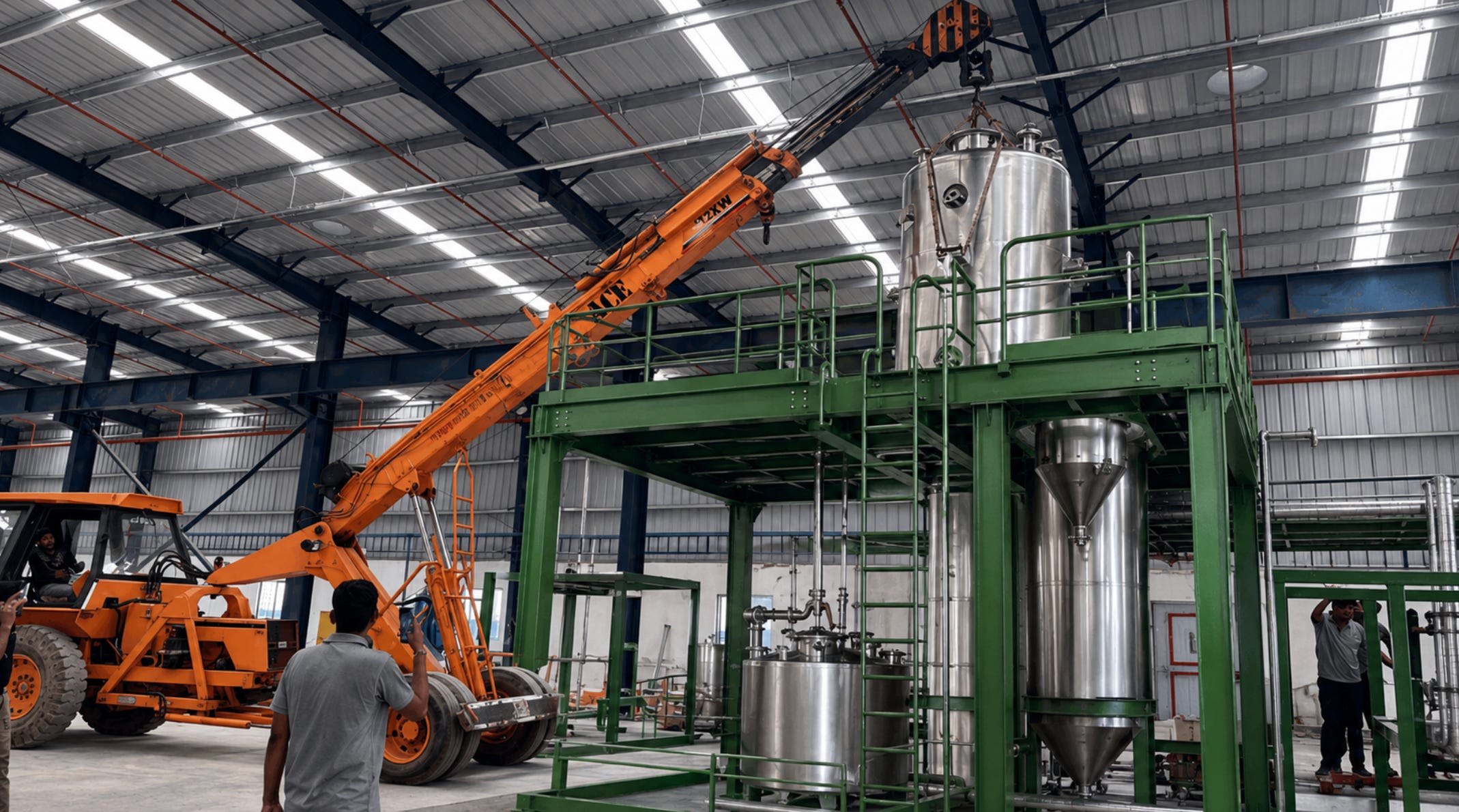
The new facility they’re building
In March 2026 a $12 million round including Lululemon took total capital past $50 million, with more than 40 partnerships now signed. In May 2026 came a demonstration plant at Imperial College London, and a commercial facility is planned for 2028 at 20,000 tonnes of monomer.
Top Impact Stats 📈
1. They reduce the carbon footprint of nylon 6,6 by 80%.
2. Turns nylon 6,6 waste back into virgin-grade monomer, closing a loop that had no recycling route.
3. Going from 150 tonnes a year to 20,000 by 2028, a 130x jump in capacity.
Whenever you’re ready, there are 2 ways I can help you:
Scale and optimize your business: Automation and AI implementation (Claude expertise) for companies so they can free up time to scale their revenues.
Give visibility to your climate company: Get your company in front of an audience of thousands of climate players and enthusiasts by sponsoring newsletter issues and LinkedIn posts.
Thanks for reading today’s issue! If you liked it feel free to hit the ❤️ button and share it with someone who might like it too. See you in September ☀️:)
Subscribe to keep learning about cool climate tech companies :)