


Read time: 5 minutes
Hi, I’m Javi Gascón.
This is Climate Tech Distillery, a newsletter where I talk about one specific climate tech company every week.
Today we'll distill a company that thinks fusion's first real customer won't be a utility, it'll be a cargo ship: Maritime Fusion 🇺🇸

Want to sponsor Climate Tech Distillery? Here’s all the info.
What Problem Does Maritime Fusion Tackle❓
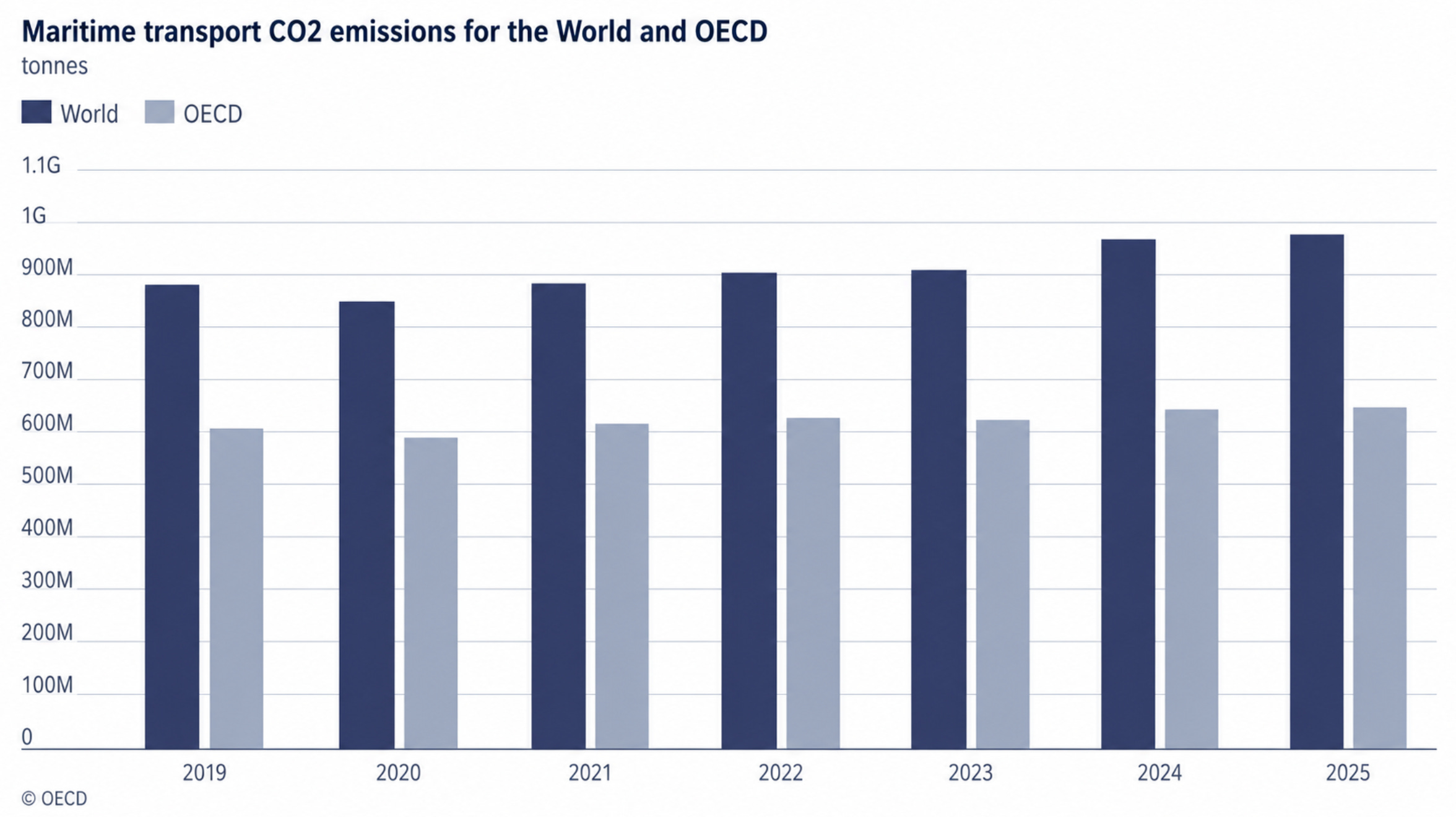
Shipping moves ~90% of world trade and runs on the dirtiest fuel there is. Cleaning it up has no cheap answer yet.
1. A Silent Emitter: Global shipping burns heavy fuel oil and produces ~3% of the world’s CO2 emissions. If shipping were a country, it would rank among the top ten emitters on Earth.
2. No Clean Fuel: Green ammonia and hydrogen are the leading alternatives, but they’re expensive to produce, awkward to store, and need bunkering infrastructure that doesn’t exist at most ports yet.
3. Regulation Closing In: The IMO (International Maritime Organization) wants shipping at net-zero by 2050, with checkpoints to cut emissions at least 20% by 2030 and 70% by 2040. Owners need a zero-carbon option that actually works at sea.
4. Grid Fusion Mismatch: First-of-a-kind fusion reactors are costly and run at low capacity, pushing electricity costs 5 to 10x above the grid. On land, that can’t currently beat cheap solar and wind.
Product / Service 📦
Maritime Fusion isn't shrinking a grid reactor. It's building for a market that needs far less power to begin with.
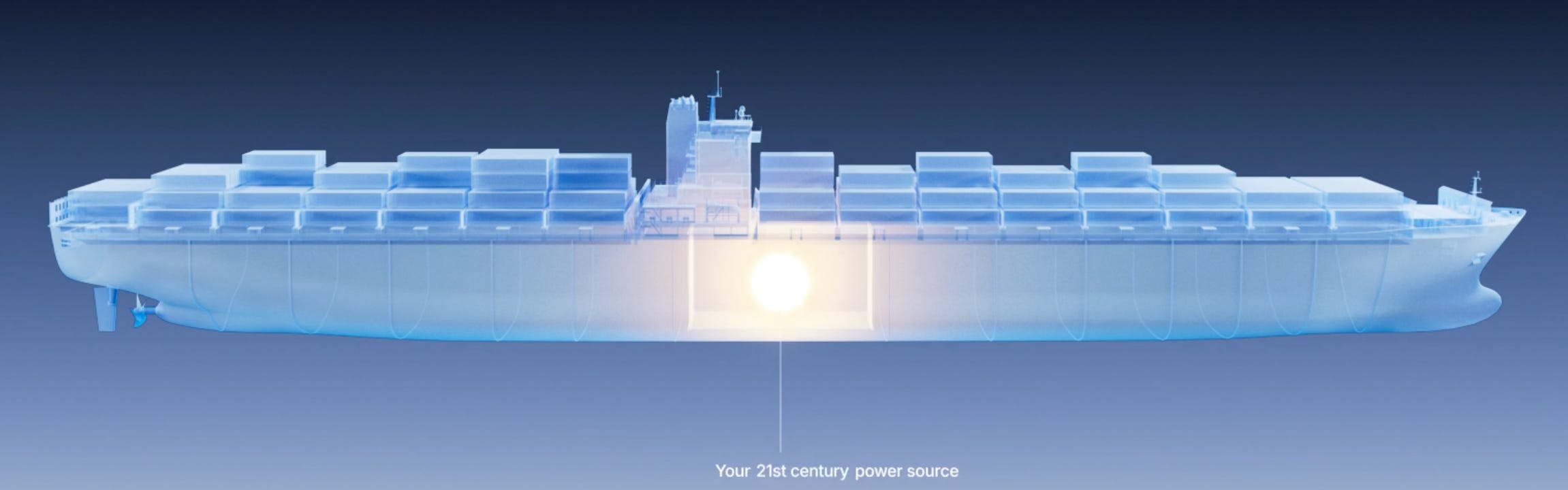
Right-Sized Reactor: Ships need 10x less power than the grid and tolerate lower uptime. That sidesteps fusion's two hardest unsolved problems, heat damage to the reactor wall and radioactive buildup in its structure, both far easier to manage at ship scale.
Straight to Full Scale: Because the reactor is so much smaller than a grid plant, Maritime Fusion can skip building an intermediate test device and go straight to a full-scale, energy-producing reactor. It also skips the interconnection queues and utility approvals that slow down land-based fusion projects.
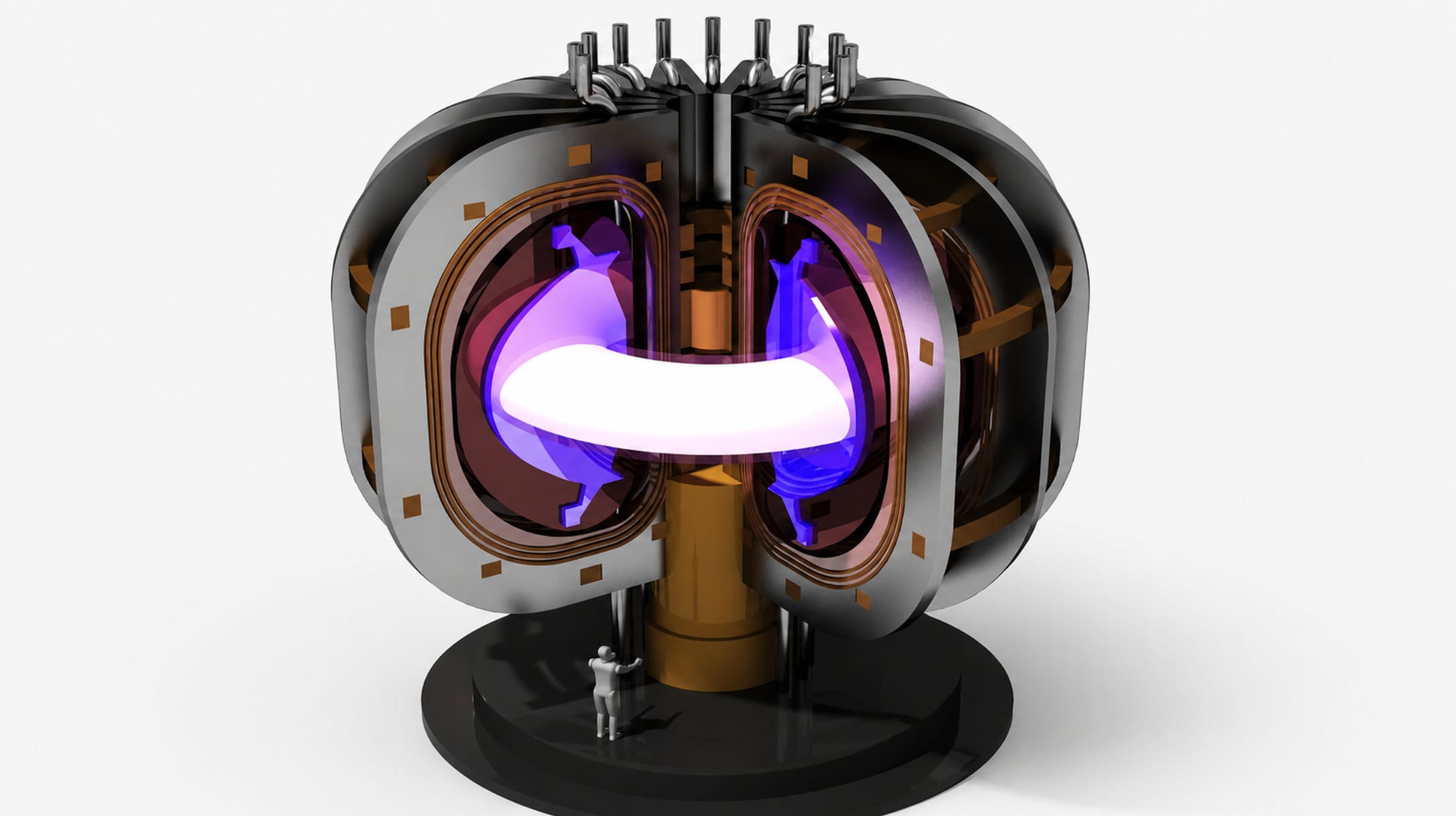
Stronger Magnets: The reactor uses a newer generation of superconducting material that works at higher temperatures than older designs, letting it pack a stronger magnetic field into a smaller reactor. Stronger fields mean a denser, more powerful core.
Clean by Design: Fusion uses no highly radioactive fuel. No meltdown risk, no proliferation concerns, no long-lived waste, unlike the fission reactors already powering submarines today.
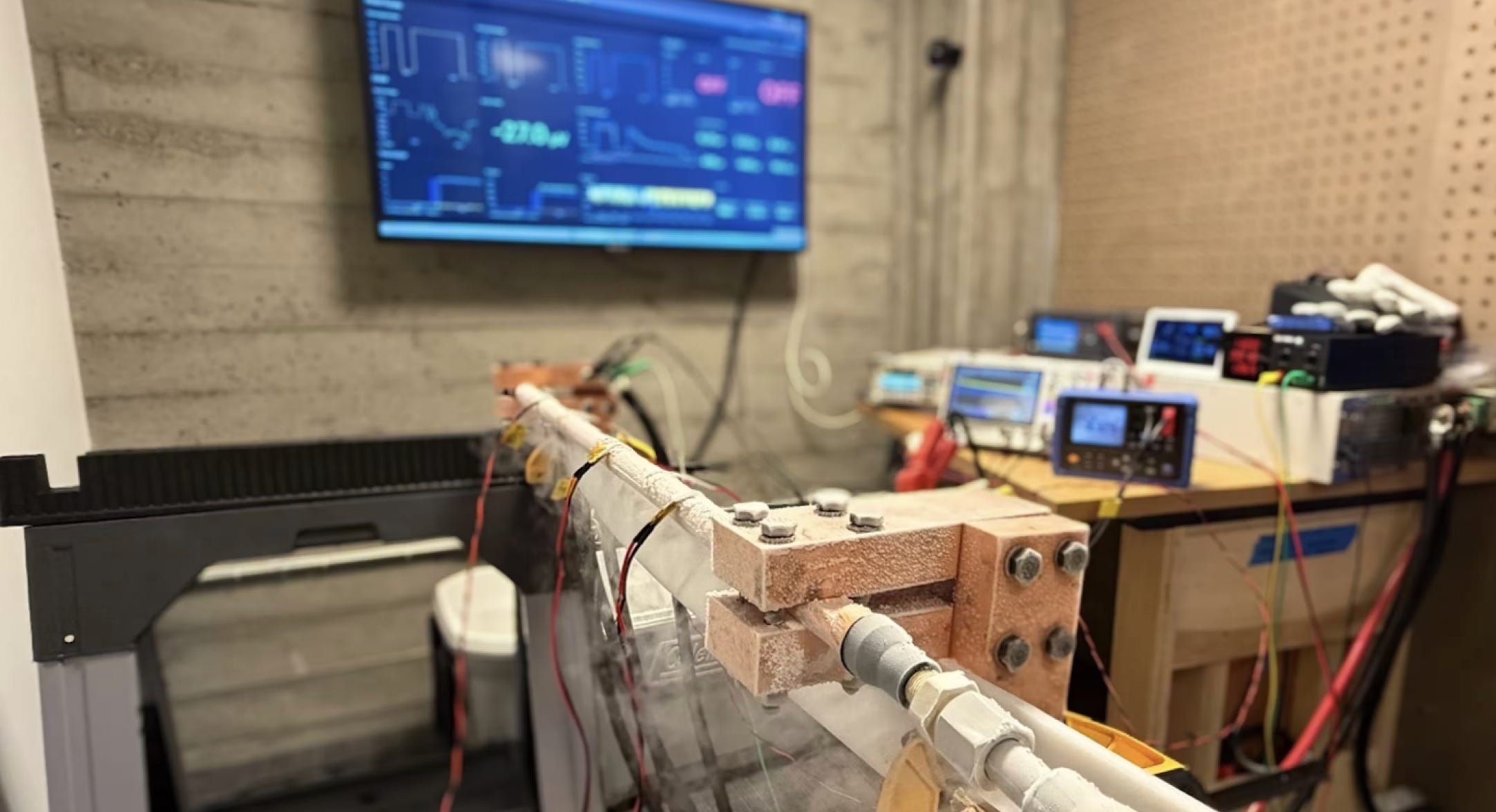
Their Own Cable: Maritime Fusion's cable already hit a major current milestone in lab testing, at a diameter smaller than a coin. It's the backbone of the reactor's magnets, and they're selling the same cable to AI data centers as an early source of revenue.
Market 🌐
Decarbonizing shipping is estimated to need three trillion dollars in investment through 2050. Most of the $10 billion in private fusion capital raised through 2025 is chasing grid-scale power plants instead, leaving ships and other off-grid uses largely uncontested.
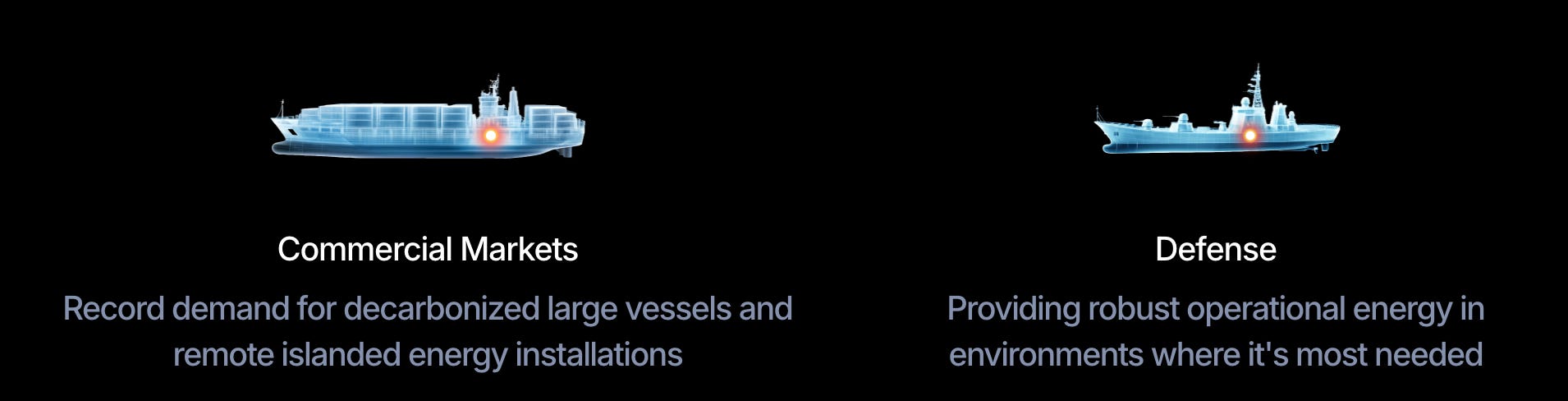
The same reactor also fits defense installations and remote power sites anywhere the grid doesn’t reach, giving Maritime Fusion two target first customers instead of one.
Other Key Players
Core Power 🇬🇧: Molten salt fission, not fusion, for floating power plants and eventual ship propulsion.
Amogy 🇺🇸: Cracks ammonia into hydrogen onboard and runs it through fuel cells, but needs ammonia bunkering built out at every port.
Commonwealth Fusion Systems 🇺🇸: The best-funded fusion company in the world, chasing grid-scale power, an entirely different power density problem than a ship.
Maritime Fusion is the only one betting fusion works better on a ship’s power budget than on the grid, using the sea as its first market instead of its endgame.
Founding Story 🦄

Maritime Fusion was founded in 2024 by Justin Cohen and Jason Kaufmann, out of San Francisco. Cohen studied nuclear engineering, then plasma physics at Columbia, before working at SpaceX on radiation effects and power electronics, then nearly four years at Tesla on battery and motor design.
They met at SpaceX testing radiation effects on Starship electronics, and later worked together at Tesla on Cybertruck and Optimus.
When Cohen went job hunting at fusion companies like Commonwealth Fusion Systems, he found the physics strong but no clear path to market, just bigger grid reactors chasing the same unsolved materials problem. That gap became the idea: take the same fusion tech to a market that needs far less power.
They applied to Y Combinator, joined the winter 2025 batch, and in November 2025 closed a $4.5 million seed round. Their first reactor working at sea, Yinsen, is targeted for 2032: 30 MW, roughly eight meters wide.
Top Impact Stats 📈
1. Their cable tech is already selling into AI datacenters, revenue before the first reactor even ships.
2. First-of-a-kind reactor costs $1.1 billion, 40% of that in the magnet alone.
3. One reactor design, two possible customers: cargo lines and the defense sector.
Whenever you’re ready, there are 2 ways I can help you:
Scale and optimize your business: Automation and AI implementation (Claude expertise) for companies so they can free up time to scale their revenues.
Give visibility to your climate company: Get your company in front of an audience of thousands of climate players and enthusiasts by sponsoring newsletter issues and LinkedIn posts.
Thanks for reading today’s issue! If you liked it feel free to hit the ❤️ button and share it with someone who might like it too. See you next Saturday:)