This is Climate Tech Distillery, a newsletter where I talk about one specific climate tech company every week.
Subscribe for free to receive my weekly articles in your inbox.
Today we'll distill a company making a feed additive that cuts cow methane and increases milk yield at the same time, so farmers actually want to use it: Triple Bio 🇳🇱
This issue is sponsored by:
Your next investor will Google you before the meeting. If nothing comes up, that’s a problem. Roman helps climate tech founders go from invisible to investable. Clients include Planet Protector (1.1M views), Aquaria, Reonic and more.
Cattle burp out a lot of methane, one of the most potent greenhouse gases on the planet.
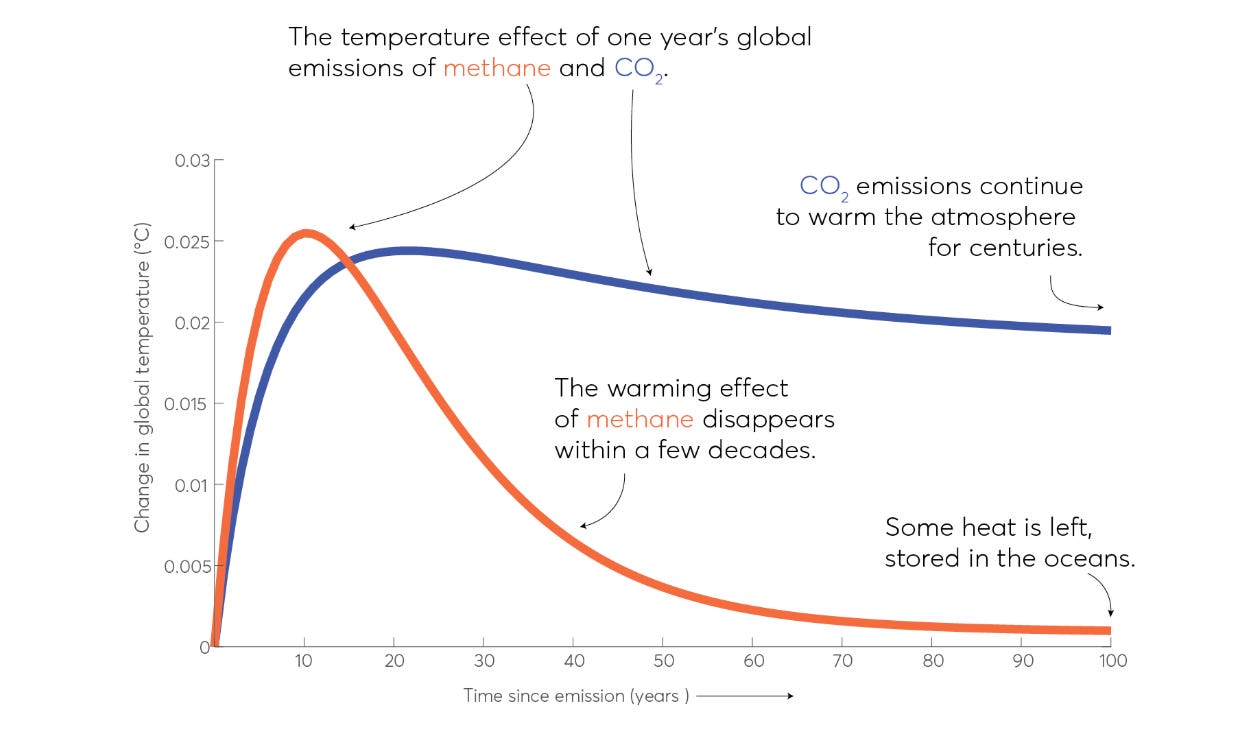
1. Huge Volume: Methane from livestock digestion is responsible for over 10% of global greenhouse gas emissions, and methane traps roughly 80x more heat than CO₂ over a 20-year window. There are ~1.5 billion cattle globally and growing.
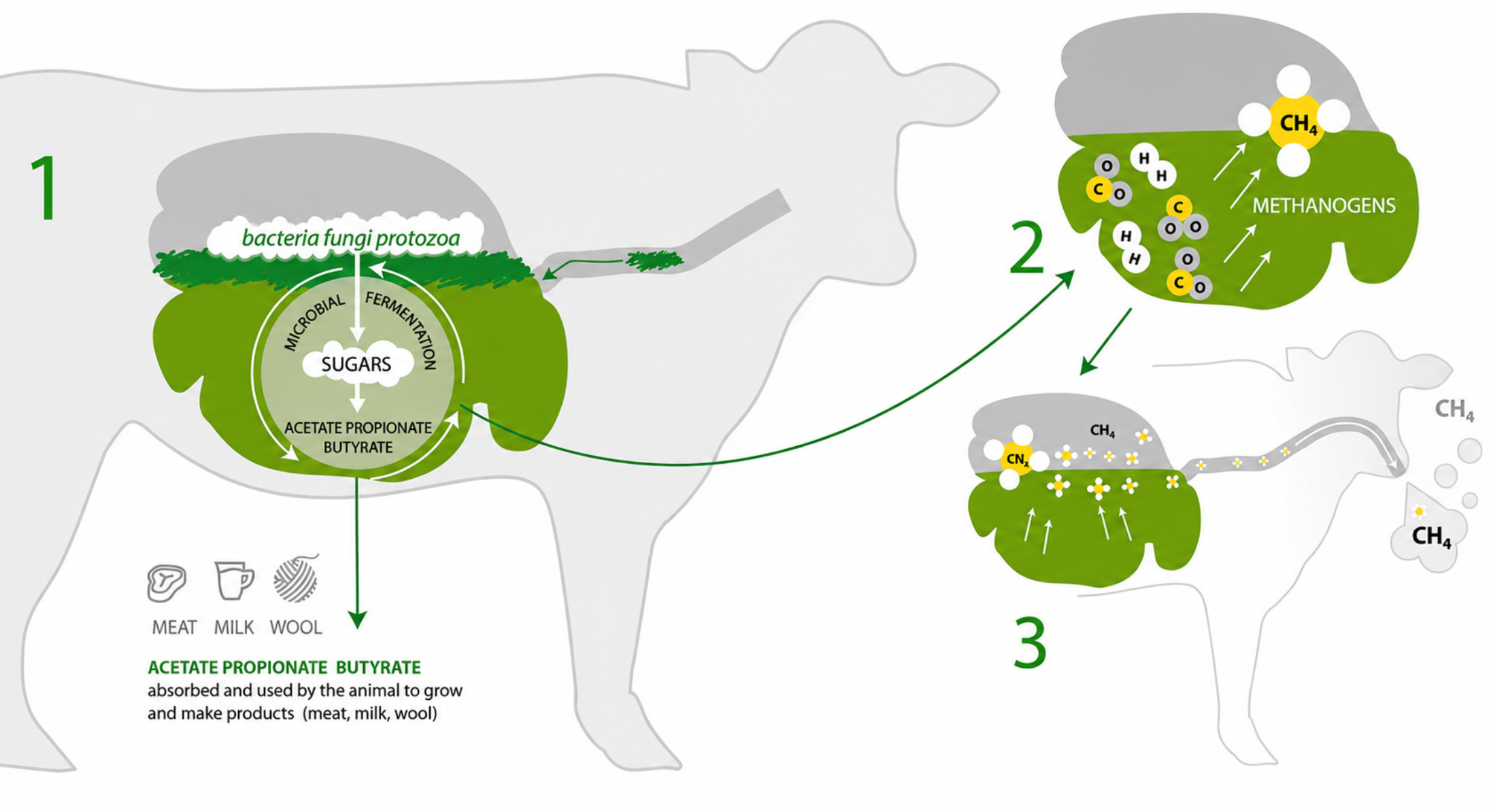
2. Wasted Hydrogen: Microbes in the rumen break down plant material into hydrogen and CO₂. A second set of microbes, methanogens, then convert those into methane that gets belched out. All that hydrogen is energy the cow never gets to turn into milk or muscle.
3. Bovaer's Ceiling: Bovaer (the leading methane inhibitor) cuts emissions by 30% in dairy cows and 45% in beef cattle, and is now fed to 500,000+ cows worldwide. But it costs the farmer extra without lifting productivity, so adoption depends on dairy processors or carbon markets paying a sustainability premium.
4. Farmer Math: Farmers are more likely to adopt products that directly impact the bottom line through increased productivity than ones that only generate sustainability premiums or carbon credits.
5. Seaweed Route Bottlenecks: Asparagopsis-based additives (algae) deliver bigger methane cuts on paper, but degrade quickly in the rumen and raise safety and residue questions at higher doses, slowing regulatory approval and limiting which feeding regimens can use it.
Product / Service 📦
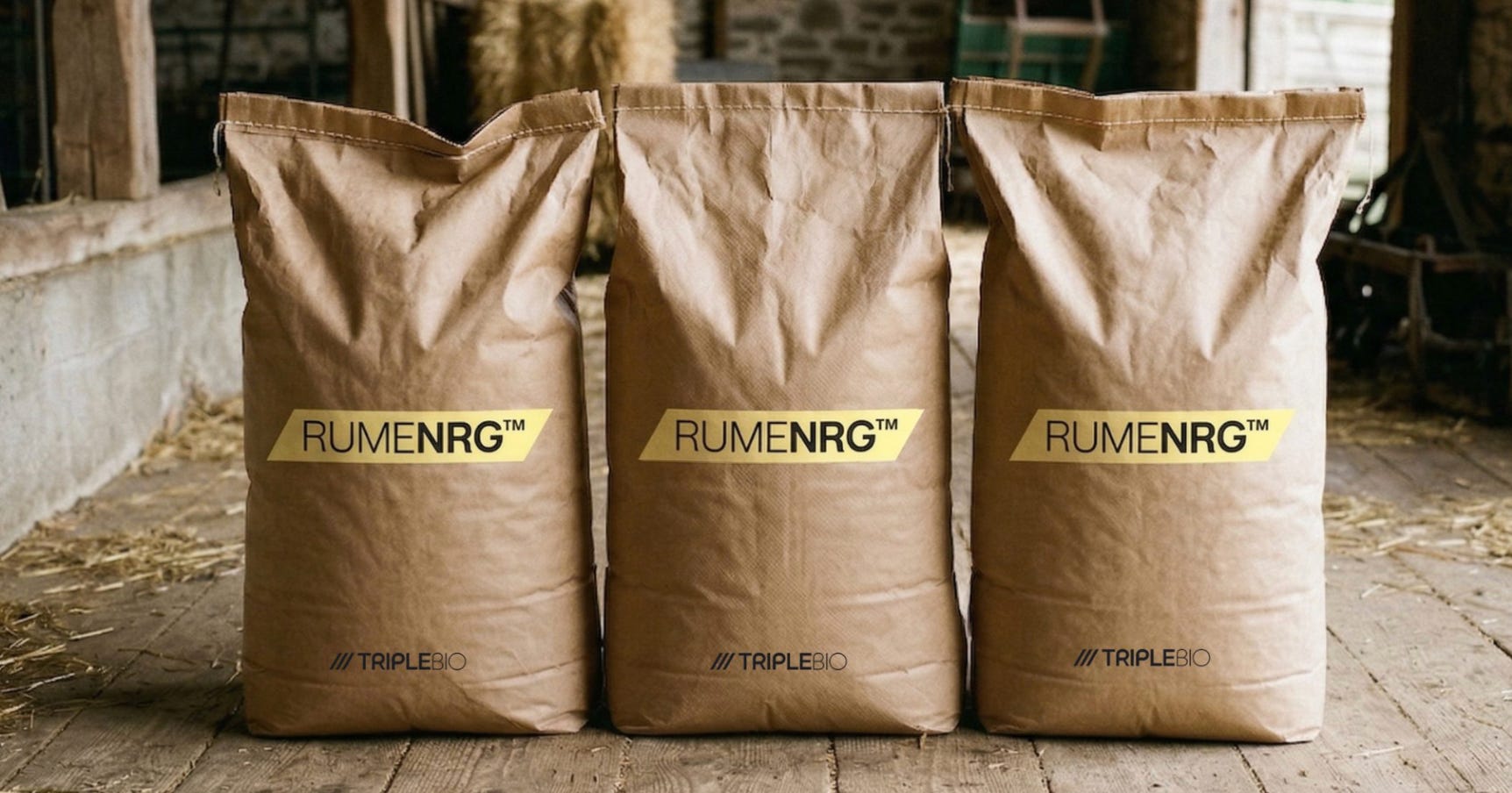
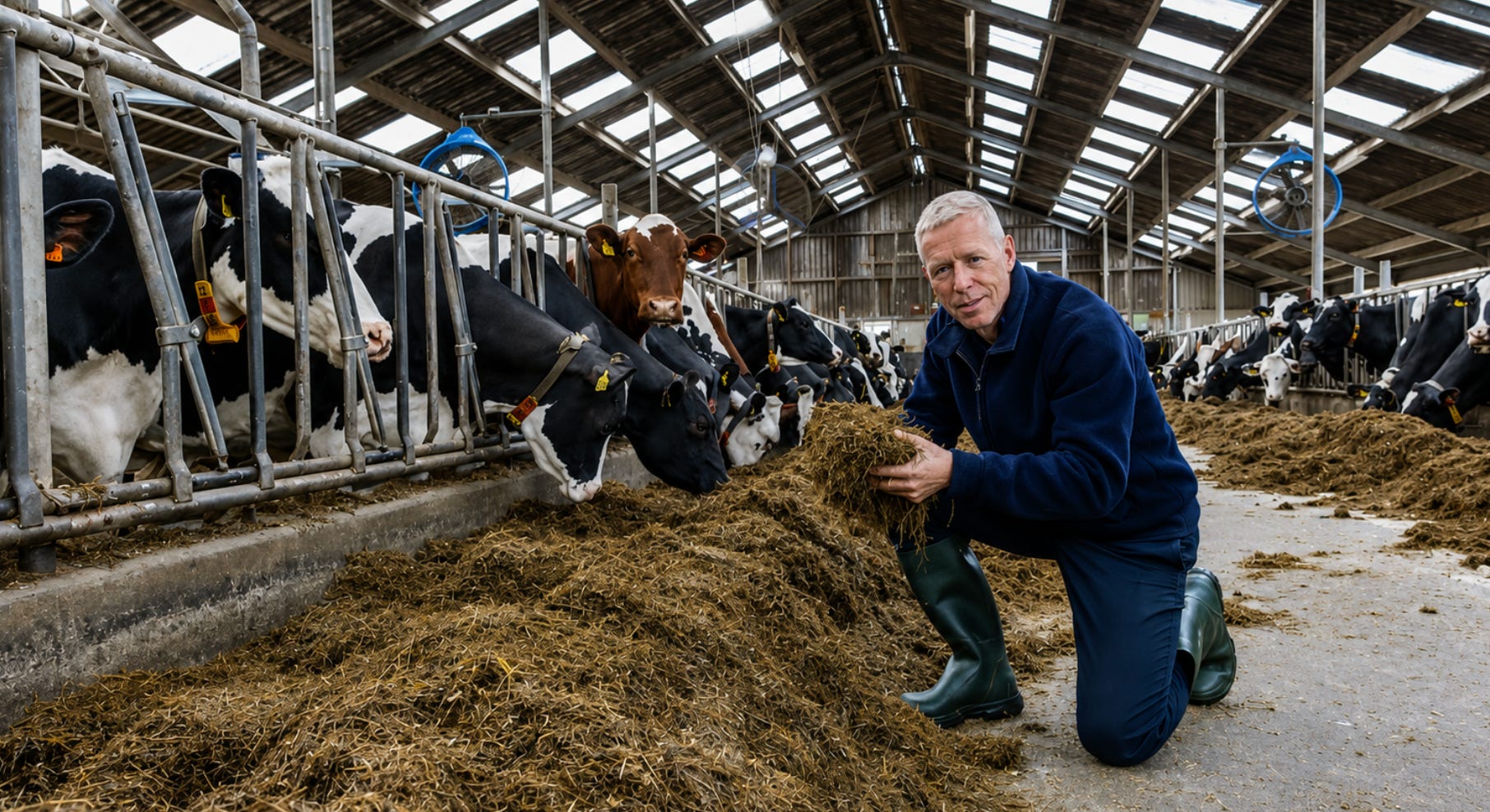
Triple Bio is building RumeNRG, a feed additive that nudges the cow's gut chemistry so less energy escapes as methane and more goes into milk. It's pretty awesome:
Same Trick, Two Uses: RumeNRG is a family of tiny fat-based capsules ("lipids") that mimic the outer shell of methanogens, the gut microbes that produce methane. Triple Bio uses this in two ways.
RumeNRG-PL: Wraps existing methane-cutting drugs (like bromoform) inside lipid shells so they survive longer in the cow's stomach. Result: the same methane cut with 500x less drug. Cheaper, safer, easier to dose.
RumeNRG-Mx1: A standalone version that soaks up the hydrogen methanogens would otherwise turn into methane, and redirects that energy to the good bacteria that help the cow produce more milk. In lab tests it boosted nutrient output by 28%, which models suggest means 5-10% more milk on the same feed.
Plugs Into Existing Feed: Built to survive the heat, pressure, and acidity of normal feed mill production, so it goes into standard feed pellets without farmers or mills changing anything.
Boring Supply Chain: The lipids already exist at industrial scale, used in vitamins and cosmetics. The innovation is in how they're formulated, not in inventing new raw materials. Less scale-up risk.
The Endgame: Combine both effects into one product that cuts methane by up to 50% and lifts milk yield at the same time, with no need for added drugs.
Market 🌐
The market for feed additives designed specifically to cut enteric methane is forecast to grow at a 16.92% CAGR, reaching $230 million by 2030.
The deeper opportunity is productivity. Any additive that lifts feed efficiency by even a few percentage points compounds into a category much bigger than the methane premium alone. That's the wedge: sell the milk uplift, get the methane cut as a bonus.
Other Key Players
Bovaer 🇳🇱: A synthetic feed additive that blocks the enzyme cows use to make methane. Cuts emissions 30% in dairy and 45% in beef, used in 500,000+ cows across 25+ countries. The market leader.
CH4 Global 🇦🇺: Grows a red seaweed (Asparagopsis) in saltwater ponds and turns it into Methane Tamer, a feed supplement that cuts cattle methane by up to 90%.
Rumin8 🇦🇺: Recreates the active compound in Asparagopsis seaweed in the lab instead of farming it, then delivers it as a feed or water additive. Backed by Bill Gates’ Breakthrough Energy.
Triple Bio is the only player pairing methane reduction with a productivity gain the farmer keeps on the milk bill.
Founding Story 🦄
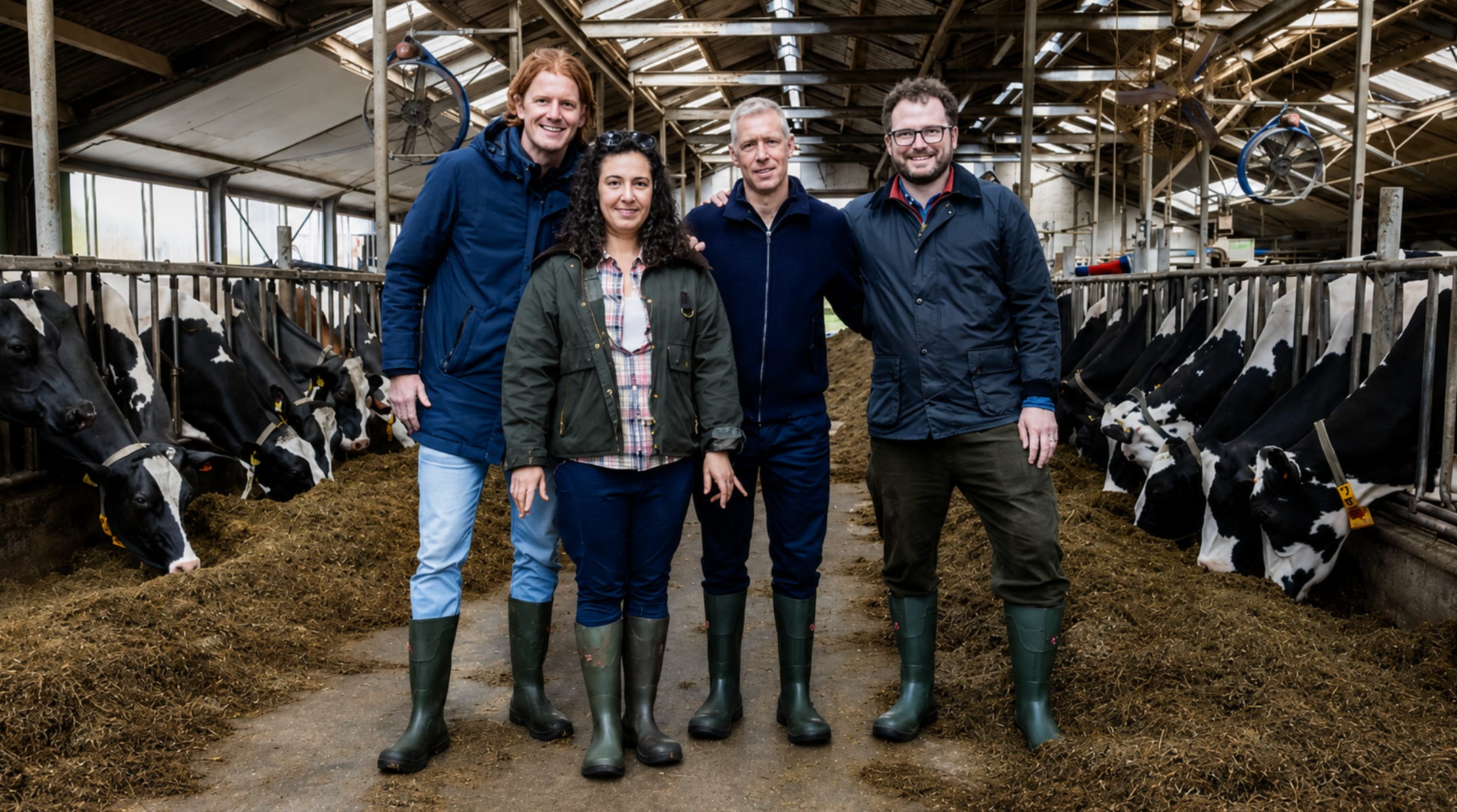
Triple Bio was co-founded in 2025 by Tracy Nevitt (CSO), Bart Tas (CTO) and Peter Rowe (CEO), with Marble, a Paris-based climate tech venture studio.
Nevitt and Tas, a microbiologist and an animal scientist, had already spent years working on enteric methane at a previous startup and knew the field's biggest gap: methane cuts don't pay farmers back.
Rowe, who founded gas fermentation startup Deep Branch, brought the platform-thinking and scale-up playbook. They later added Tom Stevens (CCO), a 14-year veteran of a dairy giant who knows how to sell into milk supply chains.
The team is split between the UK and Netherlands. They've raised €1.5 million, filed their core patent, and validated the science in vitro. Just emerged from stealth in May 2026, and are moving into their first live-animal trials later this year ahead of a larger funding round in 2027.
Top Impact Stats 📈
1.500x dose reduction of a known methane inhibitor when encapsulated in RumeNRG-PL.
2. 28% jump in volatile fatty acids in vitro, modeled to translate into 5-10% more milk per cow on the same feed ration.
3. Target: 50% methane reduction, zero extra cost to the farmer.
Whenever you’re ready, there are 2 ways I can help you:
Scale and optimize your business: Automation and AI implementation (Claude expertise) for companies so they can free up time to scale their revenues.
Give visibility to your climate company: Get your company in front of an audience of thousands of climate players and enthusiasts by sponsoring newsletter issues and LinkedIn posts.
Thanks for reading today’s issue! If you liked it feel free to hit the ❤️ button and share it with someone who might like it too. See you next Saturday:)
Subscribe to keep learning about cool climate tech companies :)





Love that you wrote about them!