


Read time: 5 minutes
Hi, I’m Javi Gascón.
This is Climate Tech Distillery, a newsletter where I talk about one specific climate tech company every week.
Today we'll distill a company growing spider silk, one of nature's most extraordinary materials (stronger than steel, lighter than carbon fiber), from a field of alfalfa: Spidey Tek 🇺🇸

Want to sponsor Climate Tech Distillery? Here’s all the info.
What Problem Does Spidey Tek Tackle❓
The climate transition isn't only about energy. Chemicals and materials emit ~935 million tonnes of CO₂ annually, one of the hardest sectors to clean up.
1. Petroleum materials everywhere: Adhesives, composites, textiles, automotive and aerospace parts all depend on petroleum-derived inputs. Sustainable alternatives usually fail on at least one of these: performance, cost, or scale.
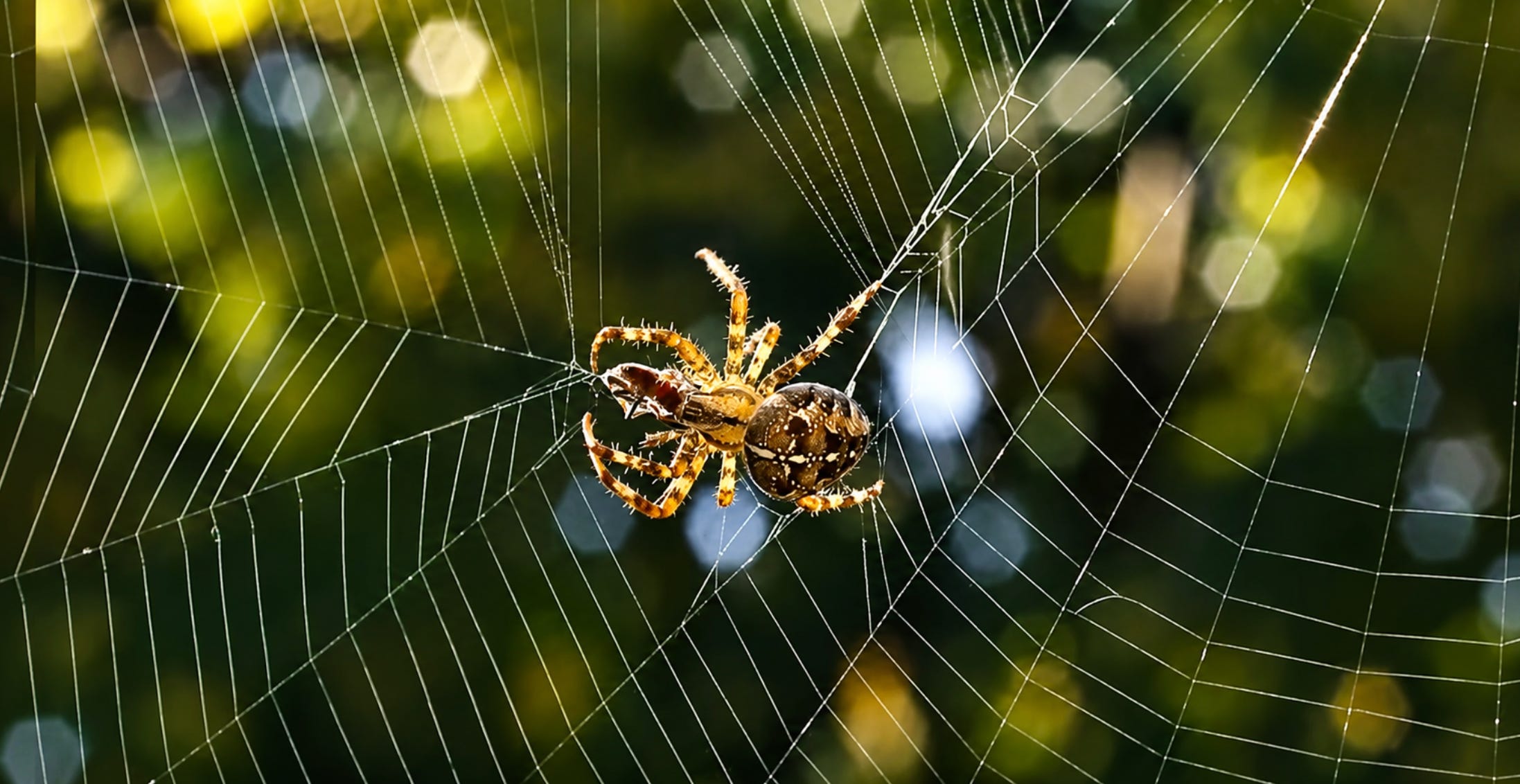
2. Spiders can't scale: Spider silk is stronger than steel by weight, tougher than Kevlar and fully biodegradable. But spiders are territorial and cannibalistic, you can't farm them at industrial scale.
3. Fermentation is expensive: The standard workaround is growing silk proteins in bioreactors using engineered bacteria or yeast. It works in small batches. But bioreactors are capital-heavy, energy-intensive, and hard to scale affordably.
4. Switching costs kill adoption: Even when buyers want sustainable materials, they can't adopt alternatives that require retooling factories. Industries like automotive, aerospace and adhesives need a drop-in replacement. Existing bio-based options rarely qualify.
Product / Service 📦
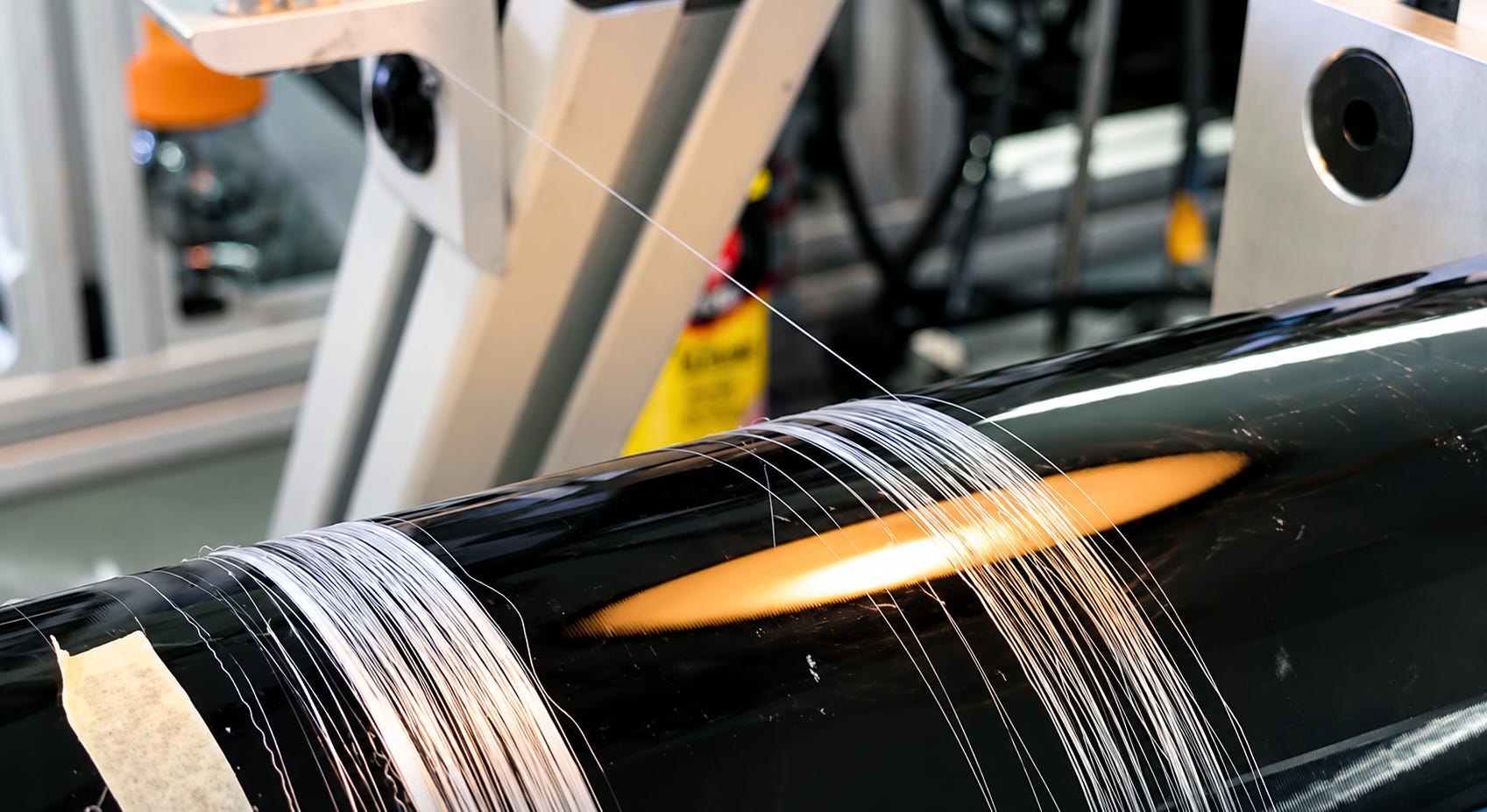
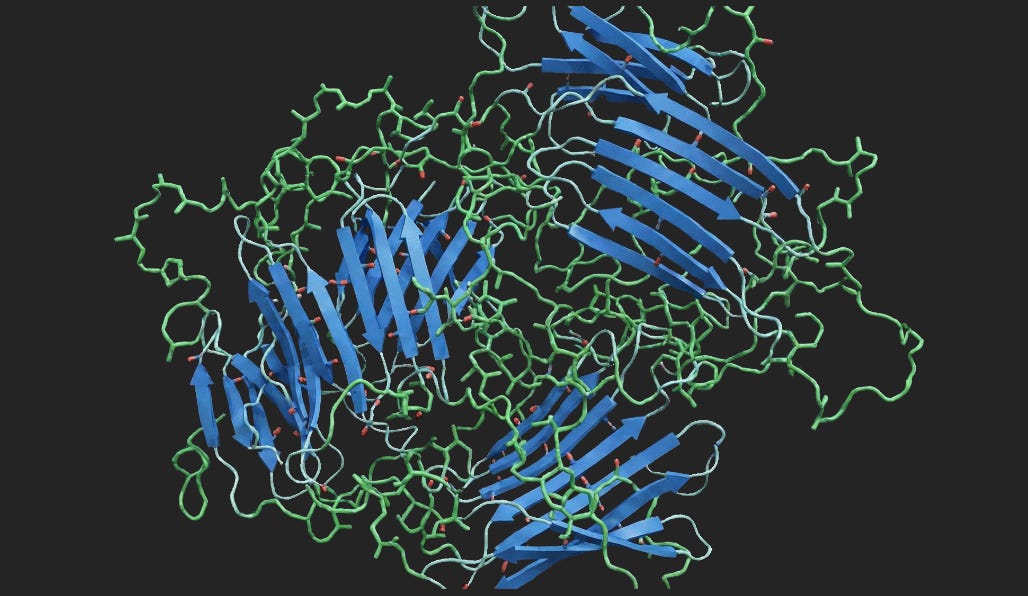
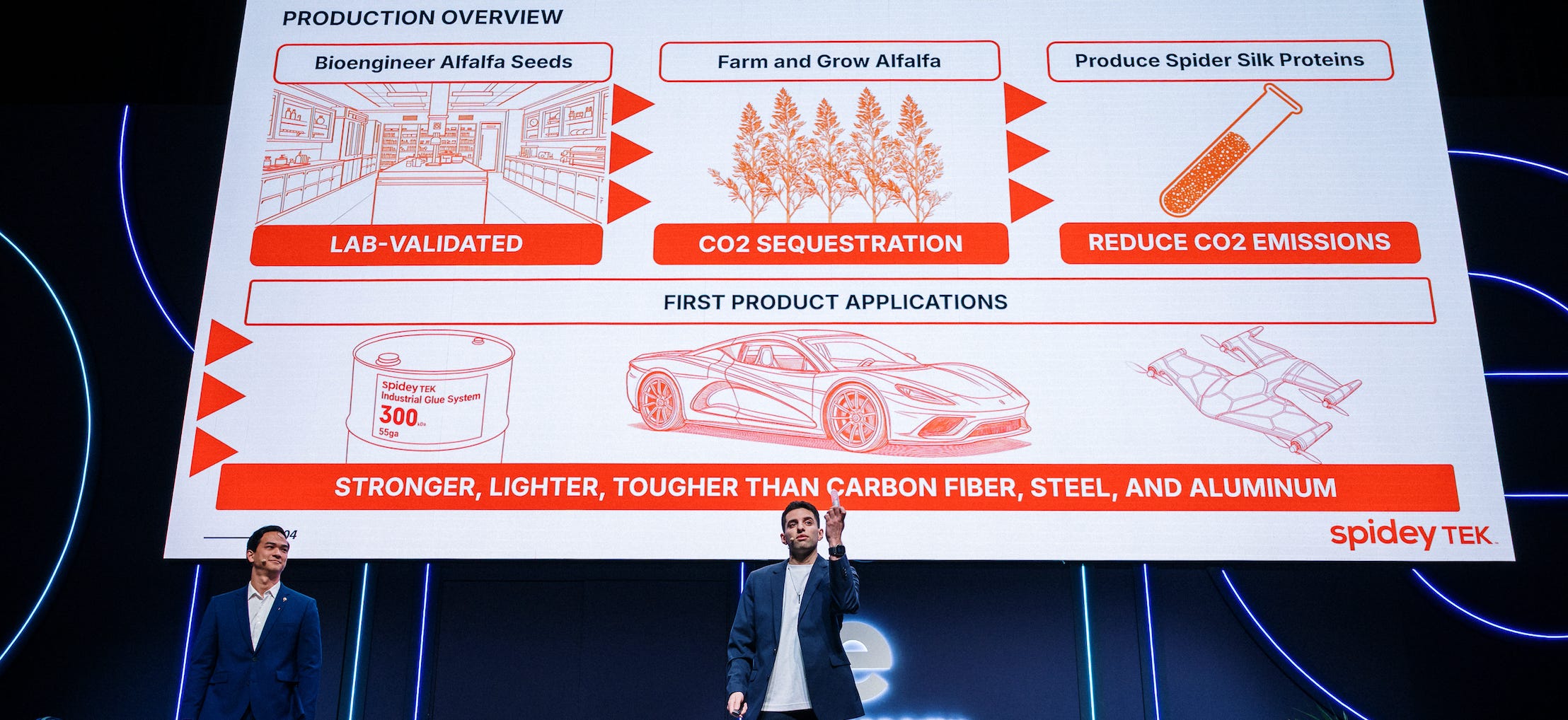
Spidey Tek uses genetically engineered alfalfa to grow real spider silk proteins. Fields instead of fermentation tanks.
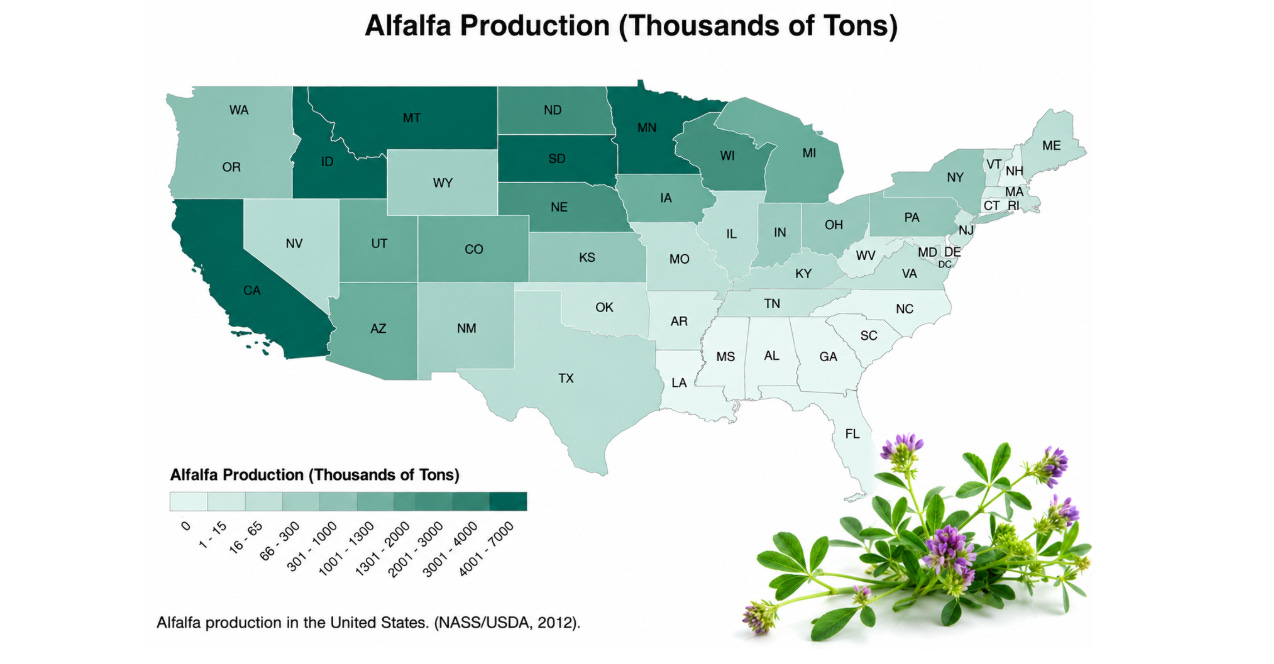
Why alfalfa: Fast-growing, nitrogen-fixing, and already farmed at scale across the western US. Modeling shows it’s the cheapest production host for spider silk proteins. They were the first to successfully insert spider silk genes into alfalfa leaves, back in 2015.
Drop-in compatible: Works with existing manufacturing lines. No retooling, no new equipment. This is exactly what kills adoption of most sustainable alternatives.
Multiple formats: Fibers, films, hydrogels, and adhesives. The same platform serves structural adhesives, aerospace composites, automotive parts, and textiles.
Real silk: Most competitors produce materials that approximate spider silk behavior using fermented bacteria. Spidey Tek produces the actual proteins.
Circular by design: After protein extraction, leftover biomass becomes hay (~$0.14/lb) and alfalfa protein feed (~$2.00/lb). The crop also sequesters CO₂.
Market 🌐
The synthetic spider silk market sits at $1B in 2025 and is projected to reach $4.2B by 2036. But the real opportunity is much bigger, any industry needing high-performance, sustainable materials is a potential customer.
Their near-term focus covers structural adhesives ($20.7B) and performance textiles ($62B). Longer term, the platform can expand into aerospace composites ($30.3B), automotive composites ($10.1B), and medical materials ($542B).
Other Key Players
Spiber 🇯🇵: Fermentation-based Brewed Protein™ fibers. $72M revenue in 2024, 500 ton commercial plant in Thailand. Strong in fashion and textiles.
AMSilk 🇩🇪: Fermentation-based, focused on medical coatings and industrial applications. Raised €25M in 2023. Partnership with Airbus for aerospace composites.
Kraig Biocraft 🇺🇸: Transgenic silkworms for military ballistic fabrics. Receives US Army funding.
All three rely on fermentation or silkworms, capital-heavy and hard to scale. Spidey Tek’s plant-based model scales by planting more fields.
Founding Story 🦄
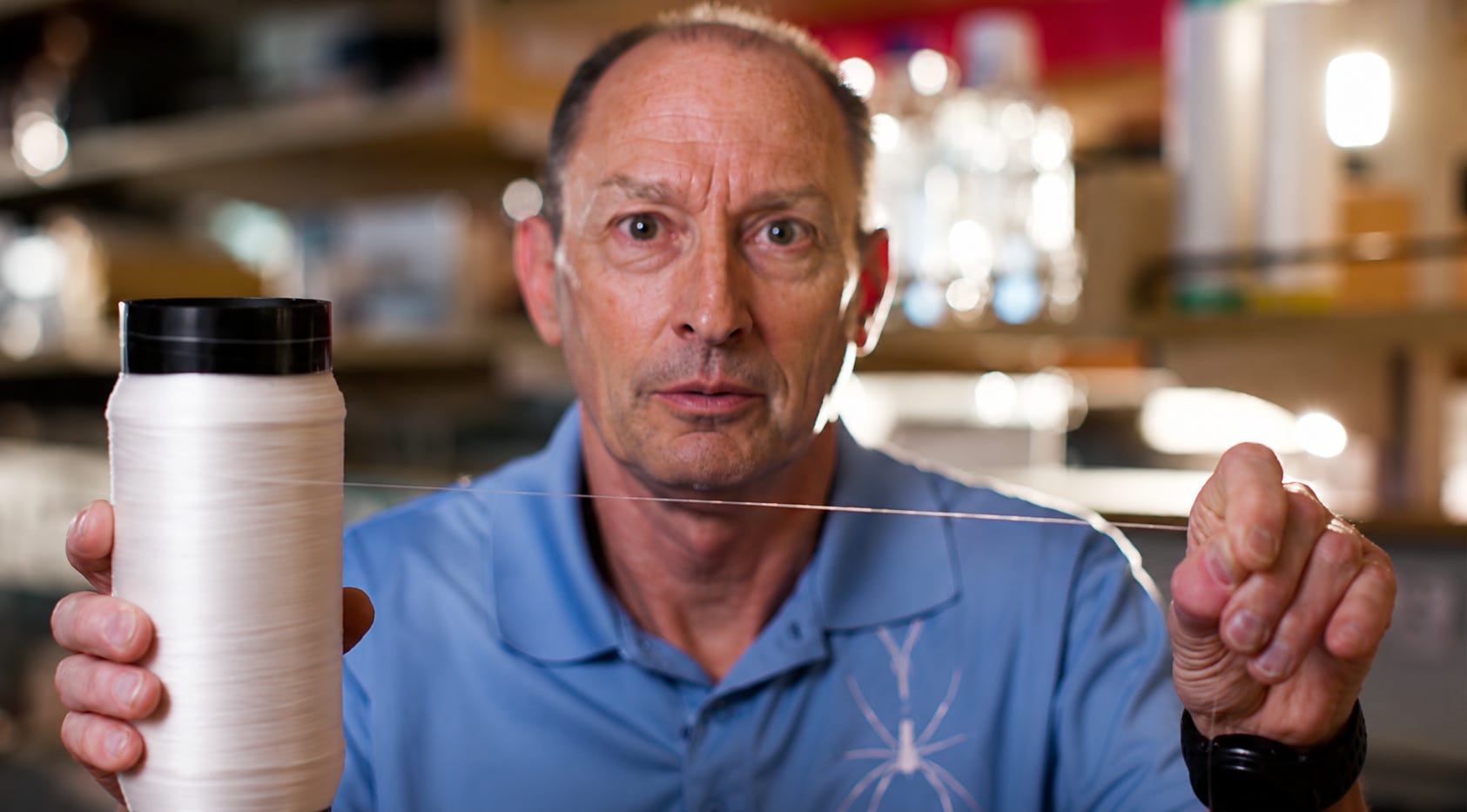
Spidey Tek was founded in 2019 by Roberto Velozzi, Dr. Randy Lewis, and Enzo Jerez.
Lewis is the world’s foremost spider silk scientist. First to clone a spider silk protein, in 1990. Over 100 peer-reviewed publications. He knew everything about spider silk except how to make it affordable at scale.
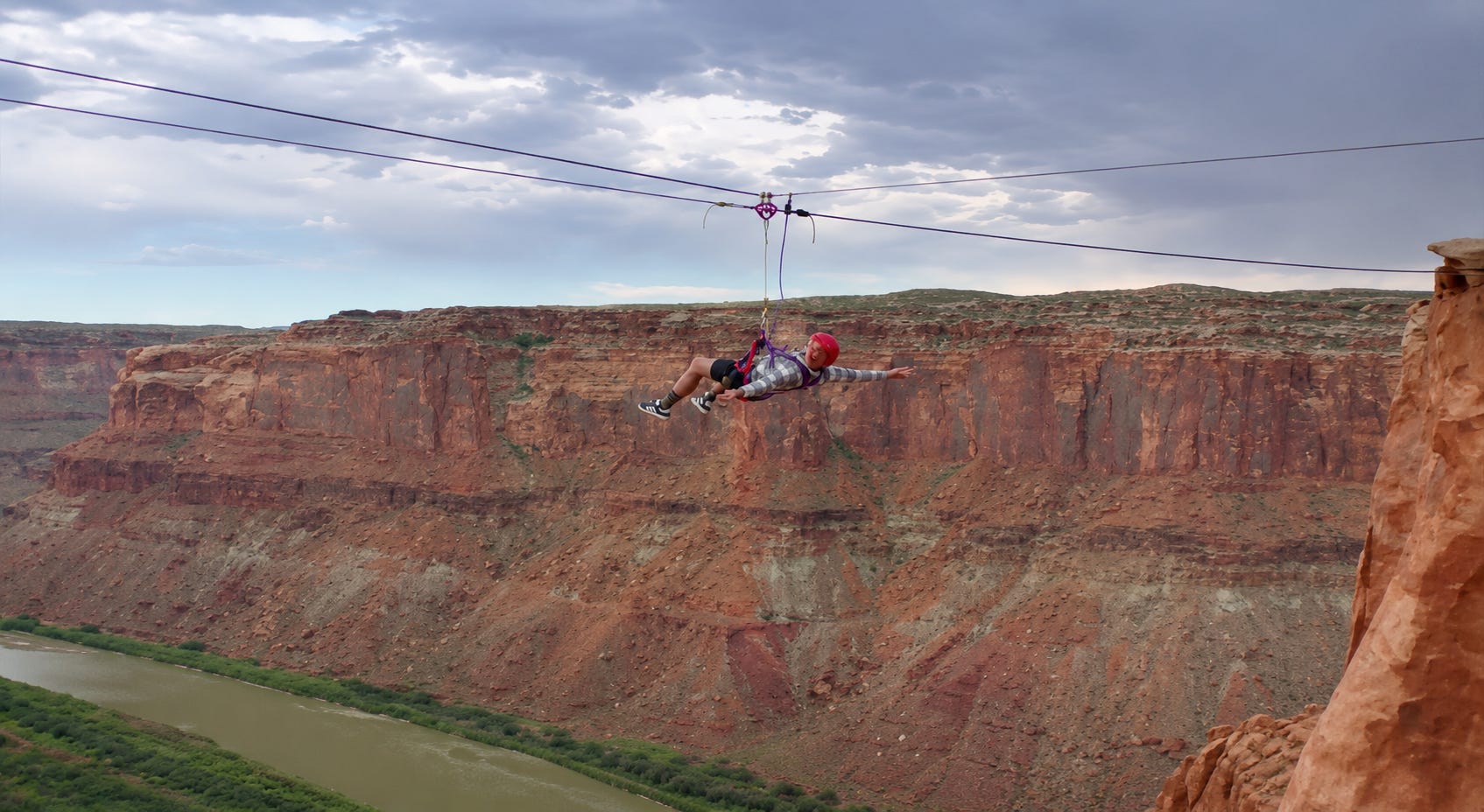
Velozzi, born in El Salvador, spent 30 years building lightweight materials, including one of the world's first lightweight concept cars. He found Lewis at Utah State University and saw the answer. They secured an exclusive license from USU to commercialize the alfalfa-based platform. To stress-test the material early on, they hung from a rope made of spider silk off a canyon.
Jerez, Velozzi's son and COO, helped build the world's first drone made from spider silk, and later won 1st Place and the Sustainability Award at IE's Venture Day.
The company now has partnerships, agreements and LOIs signed with Nvidia, Siemens, Covestro and many others. They’re actively fundraising to accelerate commercialization and scale production.
Top Impact Stats 📈
1. 10X tougher than carbon fiber, 5X stronger than steel and biodegradable.
2. Alfalfa sequesters ~0.7 tonnes of CO₂ per acre per year. Every 1000 production acres are equivalent to taking 150 cars off the road.
3. No chemicals used during the process, just water, electricity and heat.
Whenever you’re ready, there are 2 ways I can help you:
Scale and optimize your business: Automation and AI implementation (Claude expertise) for companies so they can free up time to scale their revenues.
Give visibility to your climate company: Get your company in front of an audience of thousands of climate players and enthusiasts by sponsoring newsletter issues and LinkedIn posts.
Thanks for reading today’s issue! If you liked it feel free to hit the ❤️ button and share it with someone who might like it too. See you next Saturday:)